
Orchid Seed Starting in Pots: 2026 Complete Guide
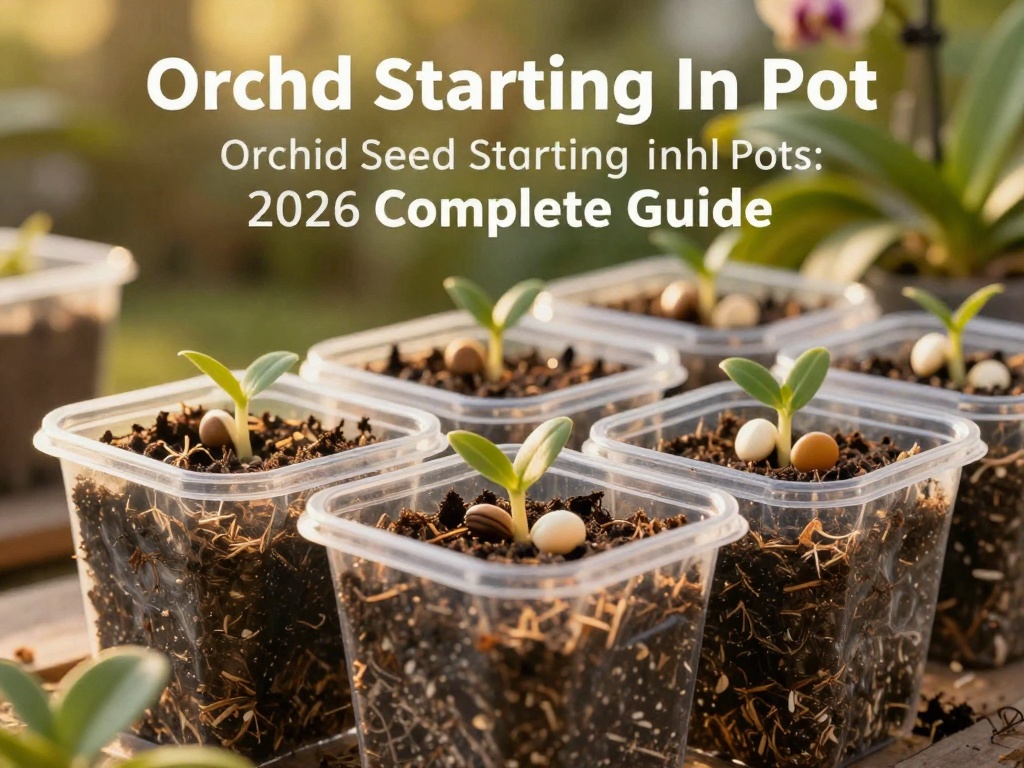
Orchid Seed Starting in Pots: 2026 Complete Guide
Orchid seed starting in pots represents one of the most rewarding yet challenging endeavors for home gardeners. Unlike traditional seed propagation, orchid seeds require specific conditions and patience to transform into thriving plants. This 2026 guide provides proven, step-by-step instructions for successfully starting orchid seeds in containers, whether you are a beginner or experienced grower looking to expand your collection naturally.
Why Start Orchid Seeds in Pots?
Starting orchid seeds in pots offers significant advantages over laboratory-style flasking. Container-based orchid seed starting allows you to maintain natural growing conditions while monitoring plant development closely. This organic method produces hardier plants that adapt better to your specific home environment over time. Additionally, pot-based propagation eliminates the need for expensive sterile equipment while still achieving respectable germination rates with proper technique.
Benefits for Small Space Gardens
Orchid seed starting in pots works exceptionally well for beginners working in apartments, small spaces, or limited indoor environments. Containers can be positioned in optimal light zones and moved as seasonal conditions change. This flexibility ensures young seedlings receive consistent temperatures and humidity levels essential for early development.
Essential Materials for Orchid Seed Starting
Before beginning your orchid propagation journey, gather quality materials designed specifically for orchid culture. Success depends heavily on using appropriate components that replicate the orchid's natural growing conditions.
Container Selection
Choose clear plastic pots with multiple drainage holes to allow proper air circulation to developing roots. Containers should measure 3-4 inches in diameter for initial seed starting, with transparent walls enabling you to monitor root growth without disturbing the seedlings. Shallow pots work best since orchid roots prefer horizontal spread rather than deep vertical growth.
Growing Medium Requirements
The ideal medium for orchid seed starting combines fine fir bark, perlite, and sphagnum moss in equal proportions. This mixture provides excellent drainage while retaining sufficient moisture for germinating seeds. Some growers prefer specialized orchid bark blends formulated specifically for seed starting, which can improve success rates significantly.
Step-by-Step Orchid Seed Starting Process
Preparing Your Seeds
Obtain seeds from mature, healthy orchid pods that have turned yellow or brown and begun splitting naturally. Surface-sterilize seeds by soaking in a 10% bleach solution for 2-3 minutes, then rinse thoroughly with sterile water. This critical step prevents fungal contamination that commonly destroys orchid seedlings during early development stages.
Creating Optimal Germination Conditions
Fill sterile pots with your prepared growing medium, leaving approximately half an inch from the pot rim. Moisten the medium thoroughly using distilled water, ensuring even distribution without waterlogging. Sprinkle sterilized orchid seeds sparingly across the surface, pressing gently to ensure contact with the medium without burial, as orchid seeds require light exposure for germination.
Establishing Proper Humidity and Temperature
Cover seeded pots with clear plastic bags or propagation domes to maintain humidity levels between 60-70%. Position pots in an area receiving bright, indirect light with temperatures ranging from 70-80°F during daytime hours. Night temperatures should drop approximately 10 degrees to simulate natural orchid habitat conditions and encourage healthy growth patterns.
Care Guidelines for Seedlings in Pots
Watering Techniques
Water young orchid seedlings when the growing medium approaches dryness but before complete desiccation occurs. Use the weight test method by lifting pots to gauge moisture content through weight differences. Apply water sparingly around the pot edges, avoiding direct contact with seedling crowns that can lead to rot issues in developing plants.
Feeding Young Orchids
Begin fertilizing seedlings approximately six weeks after germination when the first true leaves appear. Apply quarter-strength balanced fertilizer formulated for orchids every two weeks during active growth periods. Organic options like diluted fish emulsion or compost tea provide gentle nutrition supporting natural development without chemical buildup in container media.
Transplanting Seedlings to Larger Pots
Move seedlings to larger containers when roots reach approximately 2-3 inches in length, typically occurring 8-12 months after initial germination. Select pots only slightly larger than current containers to prevent overwatering issues in excessive soil volume. Maintain the same growing medium composition during transplanting to minimize transplant shock affecting young plants.
Common Mistakes to Avoid
Many beginner orchid growers fail due to preventable errors during the seed starting process. Understanding these pitfalls helps ensure your orchid seed starting in pots succeeds where others struggle with germination failures.
- Using non-sterile containers or medium introducing fungal and bacterial contamination
- Overwatering creates saturated conditions that suffocate developing root systems
- Exposing seedlings to direct sunlight causes leaf burn and stunted growth
- Planting seeds too deeply prevents light penetration essential for germination
- Neglecting humidity requirements during the critical early development phase
Timeline: What to Expect When Starting Orchid Seeds
Patience proves essential for orchid seed starting, as germination and maturity require extended timeframes compared to other houseplants. Initial germination typically occurs within 2-3 months under optimal conditions, with visible leaf development following 4-6 months after planting. First flowering in container-grown orchids generally requires 3-5 years of consistent care and proper cultural practices.
FAQ: Orchid Seed Starting in Pots
Can beginners successfully start orchid seeds in pots at home?
Yes, beginners can achieve success with orchid seed starting in pots using proper sterilization techniques and patience. Start with beginner-friendly orchid varieties like Phalaenopsis or Dendrobium species known for more forgiving germination requirements.
What is the biggest mistake when starting orchid seeds?
Contamination from non-sterile equipment represents the primary cause of orchid seed starting failure. Always sterilize containers, tools, and growing media before planting seeds to prevent fungal and bacterial issues that destroy developing seedlings.
How long does orchid seed germination take in pots?
Orchid seeds typically require 2-3 months for visible germination in container conditions, though some species may take up to 6-9 months. Maintaining consistent humidity and temperature accelerates the germination process significantly.
Do orchid seeds need light to germinate in containers?
Yes, orchid seeds require light exposure for successful germination unlike most other plant seeds. Surface sowing ensures seeds receive adequate light penetration essential for triggering the germination process in container growing.
What is the cost and effort level for starting orchid seeds?
Starting orchid seeds in pots costs significantly less than professional flasking methods, requiring only basic supplies costing $20-50 initially. The effort involves consistent daily monitoring during early stages, decreasing as seedlings establish themselves over several months.
When should orchid seedlings be moved to bigger pots?
Transplant orchid seedlings to larger pots when roots reach 2-3 inches or when the current container becomes crowded with foliage. This typically occurs 8-12 months after germination and indicates the plant needs additional space for continued healthy root development.
How can I prevent damping off in young orchid seedlings?
Prevent damping off by ensuring excellent air circulation around seedlings, avoiding overwatering, and maintaining proper spacing between containers. Applying cinnamon as a natural antifungal agent to the growing medium surface provides additional protection against this common seedling disease.
No comments