
Cucumbers Companion Planting Indoors: 2026 Complete Guide
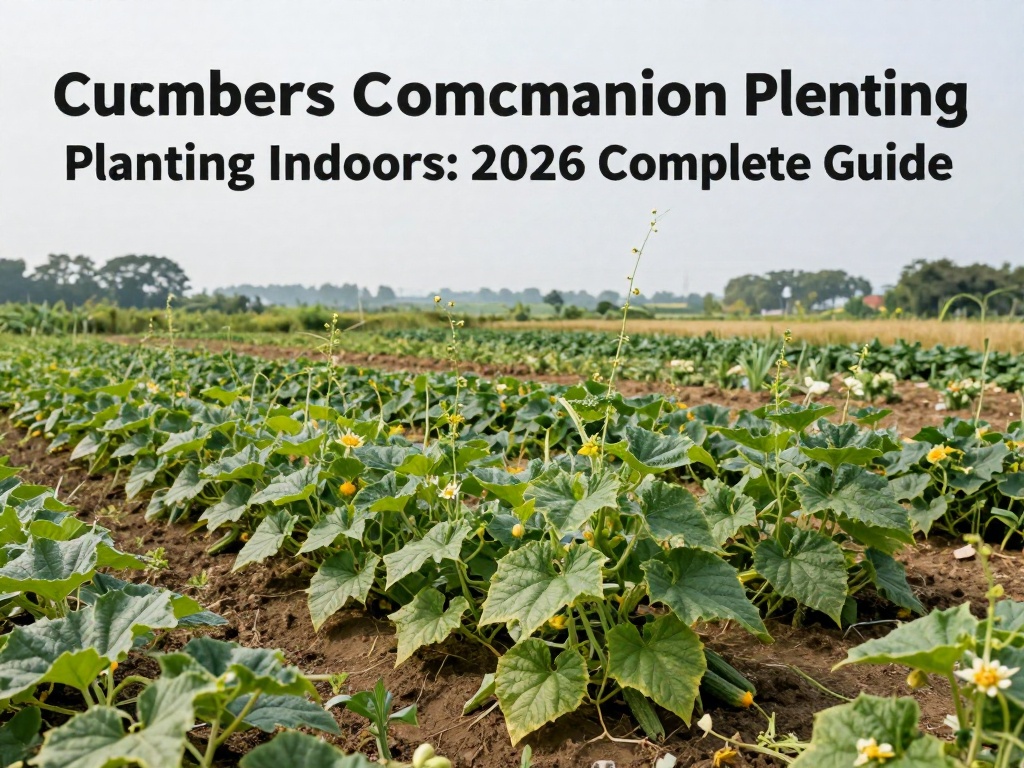
Cucumbers Companion Planting Indoors: 2026 Complete Guide
Growing cucumbers indoors has become increasingly popular among urban gardeners and homesteaders looking to enjoy fresh, crisp cucumbers year-round. Companion planting for cucumbers indoors is a proven technique that can dramatically improve plant health, increase yields, and naturally repel pests—all without relying on chemical pesticides. This comprehensive guide covers everything you need to know about successful cucumber companion planting in indoor environments.
Why Companion Planting Matters for Indoor Cucumbers
Indoor gardening presents unique challenges that companion planting can help overcome. When you grow cucumbers indoors, you lack the natural pollinators, beneficial insects, and environmental balance found in outdoor gardens. Strategic plant pairings compensate for these limitations by creating a mini-ecosystem within your growing space.
Companion plants for cucumbers indoors serve multiple purposes: they attract pollinators when windows are open, repel harmful pests like spider mites and aphids, improve soil health through complementary root systems, and can even enhance the flavor of your cucumbers. Studies from agricultural universities consistently show that diversified planting reduces pest pressure by up to 60% compared to monoculture growing.
The Science Behind Companion Planting
Companion plants work through several mechanisms. Some release natural pest-repelling chemicals called allelochemicals from their roots or foliage. Others attract beneficial insects like ladybugs and predatory mites that consume harmful pests. Certain companions fix nitrogen in the soil, providing essential nutrients for cucumber growth. Understanding these relationships helps you make informed decisions about which plants to combine.
Best Companion Plants for Cucumbers Indoors
Herbs That Make Excellent Indoor Companions
Basil stands out as one of the best companions for cucumbers grown indoors. This aromatic herb naturally repels aphids, spider mites, and whiteflies—common pests that plague indoor cucumber plants. Basil also improves cucumber flavor and can be harvested alongside your cucumbers for fresh salads and dishes. Plant basil in containers positioned near your cucumber pots for optimal results.
Dill attracts beneficial predatory insects including ladybugs and lacewings that consume aphids and other soft-bodied pests. However, plant dill at a distance from cucumbers as mature dill can compete for nutrients. Young dill plants work well as temporary companions during early cucumber growth stages.
Chives and garlic repel aphids and help prevent fungal diseases that cucumbers are susceptible to. These alliums contain sulfur compounds that naturally fungicidal properties make them invaluable companions in enclosed indoor spaces.
Flowers for Pest Control and Pollination
Nasturtiums serve as trap crops, attracting aphids away from your cucumbers and acting as sacrifice plants. When aphids prefer nasturtiums, they leave your cucumber plants relatively unharmed. These vibrant flowers also add visual appeal to your indoor garden and are entirely edible.
Marigolds are legendary companion plants that repel whiteflies, nematodes, and many other pests through their root secretions. Plant marigolds in containers throughout your indoor growing area to create a natural pest barrier. Their cheerful blooms also improve the aesthetic of your indoor garden space.
Vegetables and Greens That Complement Cucumbers
Lettuce and spinach make excellent space-saving companions for cucumbers indoors. These quick-growing greens tolerate partial shade that cucumber foliage creates and can be harvested before cucumber vines need full space. Interplanting lettuce between cucumber containers maximizes your indoor growing area.
Pole beans fix atmospheric nitrogen and deposit it in the soil, providing natural fertilizer for hungry cucumber plants. However, beans require significant vertical space and bright light, so only plant them if your indoor setup can accommodate their growth requirements.
Plants to Avoid Near Indoor Cucumbers
Not all plant pairings benefit cucumbers. Sage and other strongly aromatic herbs can inhibit cucumber growth when planted too closely. These herbs release compounds that may stunt cucumber development and reduce yields. Keep sage in separate containers away from your cucumber growing area.
Potatoes and cucumbers compete aggressively for nutrients and space. Both plants are heavy feeders that require similar nutrients, leading to poor growth when they share limited indoor container space. Maintain distance between potato and cucumber containers to prevent competition.
Strong mint varieties should always be grown in separate containers with barriers, as mint spreads aggressively through runners and can overwhelm cucumber plants in confined indoor spaces.
Step-by-Step Indoor Companion Planting Setup
Choosing the Right Containers and Space
Select containers at least 12 inches deep for cucumber root systems to develop properly. Ensure all containers have adequate drainage holes to prevent waterlogging, which causes root rot in cucumbers. Group companion plants strategically based on their light and water requirements.
Position your indoor garden near south-facing windows that receive at least 6-8 hours of direct sunlight daily. If natural light is insufficient, supplement with grow lights positioned 6-12 inches above plant canopy. Cucumbers need consistent light for healthy growth and fruit development.
Soil and Growing Medium Requirements
Use high-quality potting mix specifically formulated for vegetables when growing cucumbers indoors. The ideal growing medium should be well-draining yet moisture-retentive, with a pH between 6.0 and 7.0. Add perlite or vermiculite to improve drainage and aeration in your containers.
Incorporate organic compost into your potting mix to provide slow-release nutrients throughout the growing season. This base nutrition supports both cucumbers and their companion plants throughout their lifecycle.
Planting and Spacing Guidelines
Plant cucumber seeds or seedlings in their designated containers first, as cucumbers typically require the most space. Position companion plants in surrounding containers within 12-18 inches of cucumber plants for maximum benefit. This proximity allows companion plants to effectively repel pests and share beneficial root secretions.
Maintain adequate air circulation between all plants to prevent fungal issues that can develop in humid indoor environments. Space containers to allow air flow while keeping companion relationships effective.
Maintenance Tips for Indoor Companion Gardens
Water cucumbers consistently, keeping soil evenly moist but never waterlogged. Indoor cucumbers typically require watering every 2-3 days, depending on humidity levels and container size. Companion plants like basil may have slightly different water needs, so monitor each container individually.
Fertilize every 2-3 weeks with a balanced organic fertilizer formulated for vegetables. Container-grown plants deplete nutrients faster than garden beds, making regular feeding essential for healthy growth and abundant yields.
Monitor plants regularly for signs of pest activity or nutrient deficiencies. Early detection allows you to address issues before they impact your entire indoor garden. Remove any yellowing or diseased leaves promptly to maintain plant health.
Maximizing Yields Through Strategic Companion Planting
Vertical training maximizes space efficiency when growing cucumbers indoors. Install trellises or stakes in cucumber containers and train vines upward. This technique allows companion plants to occupy the ground-level space beneath, effectively doubling your productive growing area.
Succession planting extends your harvest period significantly. Plant new cucumber seedlings every 4-6 weeks alongside established plants to ensure continuous production throughout the growing season. Companion plants can be rotated with each succession planting to maintain soil health and pest management.
Harvest cucumbers regularly to encourage continued fruit production. Mature cucumbers left on the vine signal the plant to stop producing, reducing your overall yield. Check plants daily during peak production and harvest fruits when they reach appropriate size for their variety.
Common Mistakes to Avoid
Overcrowding is the most common error in indoor companion planting. While maximizing space is tempting, plants need adequate room for root development and air circulation. Follow spacing recommendations for each plant variety and resist the urge to pack too many plants into limited indoor space.
Ignoring individual plant requirements leads to poor results. Companion plants often have different needs for light, water, and nutrients. Research each plant in your combination and create micro-environments that satisfy all plants rather than optimizing for just cucumbers at the expense of companions.
Neglecting pollination significantly impacts cucumber fruit set. Indoor cucumbers lack natural pollinators, so hand-pollinate flowers daily using a small brush to transfer pollen between male and female flowers. Successful pollination ensures abundant fruit development.
FAQ
What are the easiest companion plants for beginners growing cucumbers indoors?
Basil, marigolds, and lettuce are the easiest companions for beginners. Basil repels common pests while providing culinary benefits. Marigolds offer beautiful blooms and pest control with minimal care. Lettuce grows quickly and tolerates the partial shade cucumber foliage creates.
How much light do indoor cucumbers with companions actually need?
Cucumbers require 6-8 hours of direct sunlight daily for optimal growth and fruiting. If natural light is insufficient, supplement with full-spectrum LED grow lights for 12-14 hours daily. Companion plants like lettuce and basil can tolerate slightly less light than cucumbers.
Can I grow all companions in the same container as cucumbers?
Growing all plants in separate containers grouped together is generally better than mixing them in one container. Separate containers prevent root competition, allow individual watering and fertilizing, and make it easier to adjust plant positioning as needed.
How long until indoor cucumbers produce fruit with companion planting?
Most indoor cucumber varieties produce fruit within 50-70 days from planting, depending on variety and growing conditions. Bush varieties typically fruit faster than vining types. Companion plants do not significantly delay cucumber production when properly maintained.
What budget-friendly options work for indoor cucumber companion planting?
Starting from seeds is the most budget-friendly approach. Basil, lettuce, and marigold seeds cost minimal amounts and grow easily indoors. Use recycled containers with drainage holes added. Homemade compost or quality potting mix provides essential growing medium without significant expense.
How do I prevent pests naturally when companion planting indoors?
Strategic companion planting prevents most pest issues naturally. Strong-smelling companions like basil, chives, and marigolds repel aphids and spider mites. Inspect plants weekly for early pest detection. Introduce beneficial insects like ladybugs if pest populations increase despite companion plantings.
No comments