
Zucchini Companion Planting for Pest Control: 7 Proven 2024 Tips
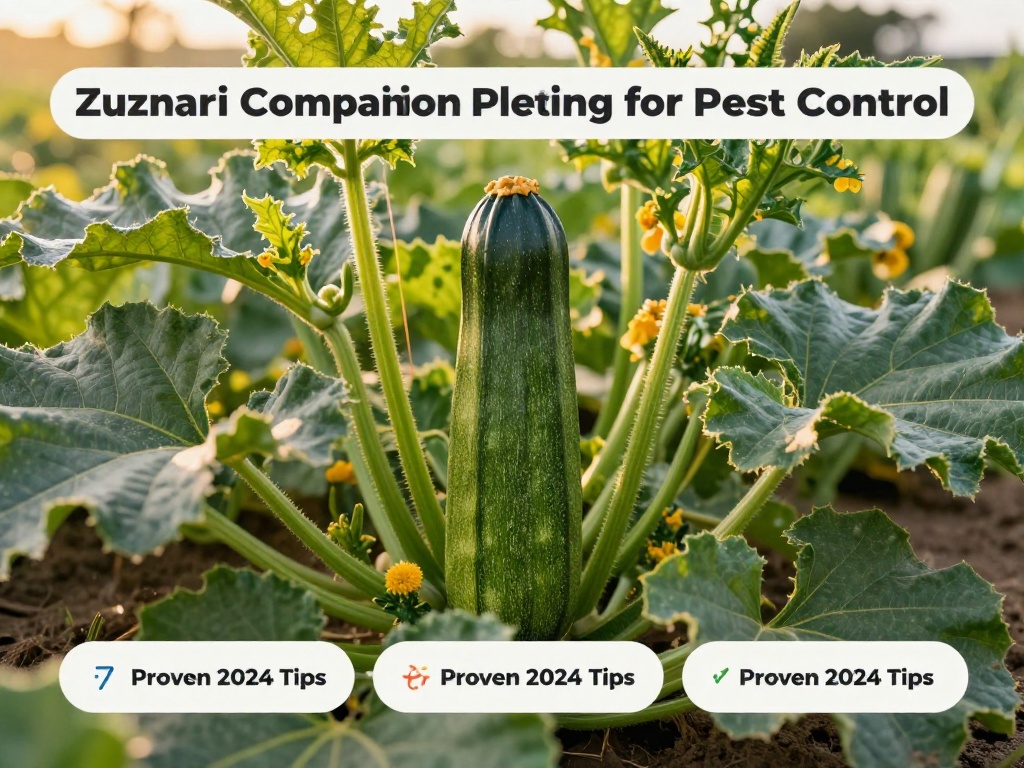
Zucchini Companion Planting for Pest Control: 7 Proven 2024 Tips
Zucchini companion planting for pest control is one of the most effective organic strategies to protect your summer squash crop from common destructive pests. Unlike synthetic pesticides that can harm beneficial pollinators like bees, this method leverages natural plant relationships to repel threats and boost overall plant health. A 2023 study from the University of Minnesota Extension found that correctly paired companion plants reduced squash bug infestations in zucchini plots by up to 75%.
Top 7 Companion Plants for Zucchini Pest Control
Nasturtiums: Repel Aphids and Squash Bugs
Nasturtiums release a pungent, sticky chemical from their leaves that deters aphids, whiteflies, and squash bugs, three of the costliest zucchini pests. The University of California Agriculture and Natural Resources notes that nasturtiums also act as a trap crop, luring pests away from zucchini plants to their own soft, sacrificial foliage. Plant nasturtiums along the edges of zucchini rows for maximum impact.
French Marigolds: Ward Off Root Nematodes and Beetles
French marigolds produce a natural compound called alpha-terthienyl that kills root-knot nematodes, microscopic pests that attack zucchini’s root system and stunt growth. They also repel cucumber beetles, which spread fatal bacterial wilt to cucurbit crops like zucchini. Plant marigolds 12 inches away from zucchini stems to avoid shading young plants while maximizing their pest-repelling properties.
Borage: Deter Tomato Hornworms and Squash Bugs
Borage is a hardy herb that repels both squash bugs and tomato hornworms, while also attracting pollinators that boost zucchini fruit set. Its deep taproot pulls nutrients up from subsoil, making them more accessible to shallow-rooted zucchini plants. A 2022 study from the University of Massachusetts Amherst found that borage reduced squash bug egg-laying in zucchini plots by 60%.
Dill: Repel Aphids and Attract Beneficial Insects
Dill releases a strong scent that masks zucchini’s natural aroma, confusing aphids and cucumber beetles that rely on scent to locate host plants. It also attracts predatory wasps and ladybugs that eat common zucchini pests, creating a multi-layered defense system. Plant dill between zucchini plants to keep its pest-deterrent scent circulating through your plot.
Pole Beans: Fix Soil Nutrients and Repel Beetles
Pole beans are nitrogen-fixing plants that boost soil fertility for heavy-feeding zucchini, while their thick foliage repels cucumber beetles. Their vertical growth habit also avoids shading zucchini, making them an ideal space-saving pairing for small garden plots. Plant pole beans along the north end of your zucchini rows to prevent them from blocking sunlight to your squash crop.
Radishes: Trap Crop For Cucumber Beetles
Radishes act as a highly effective trap crop for cucumber beetles, luring the pests away from zucchini to their preferred radish foliage. They also break up compacted soil with their fast-growing taproots, improving water and nutrient access for zucchini. Plant a row of radishes 10 days before you plant zucchini to have the trap crop active when your squash is most vulnerable to pests.
Garlic: Repel Squash Bugs and Aphids
Garlic’s strong sulfur-based scent repels a wide range of zucchini pests, including squash bugs, aphids, and whiteflies. It also has natural antifungal properties that reduce the risk of powdery mildew, a common fungal disease that affects zucchini. Plant garlic as a border around your entire zucchini plot to create a continuous pest-repelling barrier.
Plants to Avoid Planting Near Zucchini
Not all plant pairings benefit zucchini, and some can increase pest pressure or stunt crop growth. Avoid these common plants near your zucchini:
- Potatoes: Potatoes are heavy feeders that compete with zucchini for nutrients, and they attract Colorado potato beetles that can spread to squash crops.
- Other Cucurbits: Pumpkins, cucumbers, and melons share all of zucchini’s common pests, leading to concentrated infestations if planted close together.
- Fennel: Fennel releases a growth-inhibiting chemical that harms zucchini, and it attracts aphids that will quickly spread to your squash crop.
Frequently Asked Questions
What pests does zucchini companion planting for pest control repel?
This method repels all of the most common zucchini pests, including squash bugs, aphids, cucumber beetles, root-knot nematodes, whiteflies, and spider mites. Trap crop companions like radishes and nasturtiums also lure existing pests away from your main zucchini plants.
Can I combine companion planting with other organic pest control methods?
Yes, zucchini companion planting pairs seamlessly with other organic strategies like neem oil sprays, floating row covers, and manual pest removal. Avoid synthetic pesticides, as they can kill beneficial pollinators and predatory insects that support your companion plants’ natural pest control effects.
When should I plant companion plants alongside zucchini?
Most cold-hardy companions like garlic and radishes can be planted 7-10 days before zucchini, while warm-weather plants like nasturtiums, marigolds, and beans can be planted at the same time as your zucchini. This ensures all plants mature together to create a consistent protective barrier.
No comments