
How to Grow Tomatoes in Pots: A Beginner's Guide 2025
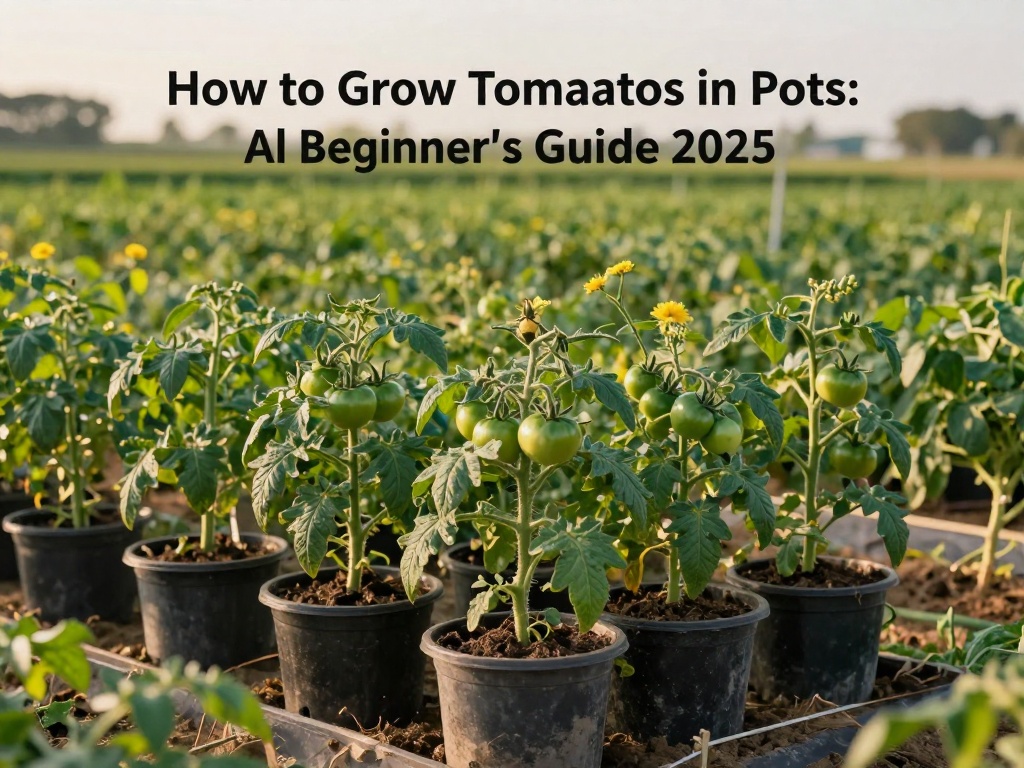
How to Grow Tomatoes in Pots: A Beginner's Guide 2025
Growing tomatoes in pots is one of the most rewarding ways to start your vegetable gardening journey. Whether you have a small balcony, patio, or sunny window sill, you can enjoy the taste of fresh, homegrown tomatoes without needing a large garden plot. This comprehensive beginner's guide will walk you through every step of successfully growing tomatoes in containers.
Why Choose Container Gardening for Tomatoes?
Container gardening offers incredible flexibility for beginners who want to learn how to grow tomatoes in pots. You can move your plants to follow the sun, control soil quality precisely, and avoid many ground-based pests and diseases. Containers also allow apartment dwellers and urban gardeners to enjoy homegrown produce that would otherwise be impossible to cultivate.
Additionally, pot-grown tomatoes often produce earlier harvests because the soil warms up faster in containers than in ground beds. This means you can enjoy your ripe tomatoes weeks before gardeners with traditional garden plots.
Choosing the Right Container for Tomato Plants
Container Size Requirements
The size of your container matters tremendously when learning how to grow tomatoes in pots successfully. Determinate varieties need at least a 5-gallon container, while indeterminate varieties require 10-15 gallons for proper root development. Larger containers retain moisture longer and provide more stable temperatures for your plants.
Best Container Materials
Plastic, ceramic, and fabric grow bags all work well for tomato cultivation. Plastic containers are lightweight and affordable, while ceramic pots offer better insulation against temperature fluctuations. Fabric grow bags promote excellent drainage and air pruning of roots, which often results in healthier plants overall.
Whatever material you choose, ensure your container has adequate drainage holes. Tomatoes absolutely cannot tolerate waterlogged soil, as it leads to root rot and other serious problems.
Selecting the Best Tomato Varieties for Beginners
Best Cherry Tomato Varieties
Cherry tomatoes are perfect for beginners because they produce abundant fruit quickly and are generally more forgiving of beginner mistakes. varieties like Tiny Tim, Tumbling Tom, and Cherry Falls thrive in containers and reward gardeners with cascades of sweet, bite-sized tomatoes throughout the season.
Best Compact and Bush Varieties
Compact bush varieties like Patio Princess, Balcony, and Window Box Roma offer excellent production without requiring extensive support structures. These varieties stay manageable in size while still delivering impressive harvests for their container footprint.
Recommended Large-Fruited Varieties
If you dream of slicing a big beefsteak tomato from your balcony garden, try growing varieties like Brandywine, Cherokee Purple, or Celebrity in larger 15-gallon containers. These need more attention and support but produce spectacular results for patient gardeners.
Essential Soil and Growing Mix Requirements
Using quality potting mix is absolutely critical when you grow tomatoes in pots. Never use garden soil alone in containers because it compacts too heavily and lacks proper drainage. Instead, select a premium potting mix specifically formulated for containers or create your own blend using equal parts peat moss, perlite, and aged compost.
Tomatoes are heavy feeders that thrive in slightly acidic soil with a pH between 6.0 and 6.8. Many commercial potting mixes include slow-release fertilizers, but you should supplement with liquid fertilizer every two weeks once your plants begin flowering and setting fruit.
Proper Watering Techniques for Potted Tomatoes
Consistent watering is perhaps the most crucial factor in learning how to grow tomatoes in pots successfully. Container tomatoes need more frequent watering than garden-grown plants because containers dry out much faster, especially during hot summer weather. Check your plants daily by inserting your finger into the soil up to the first knuckle.
Water deeply until you see moisture draining from the bottom of your container, then allow the top inch of soil to dry before watering again. Inconsistent watering causes blossom end rot, cracking, and other common tomato problems that disappoint beginners who are just learning how to grow tomatoes in pots.
Sunlight and Positioning Requirements
Tomatoes demand abundant sunlight to produce sweet, flavorful fruit. Position your containers where they will receive at least 6-8 hours of direct sunlight daily. South-facing locations typically provide the best light exposure for container tomatoes in the Northern Hemisphere.
If you only have limited sun exposure, focus on growing cherry and small-fruited varieties, which generally perform better in partial shade conditions than large beefsteak types. As your plants grow, you may need to rotate containers weekly to ensure even light distribution on all sides.
Supporting and Staking Tomato Plants
Even compact tomato varieties benefit from some support as they fruit. Insert tomato cages or sturdy stakes when you transplant seedlings to avoid damaging roots later. Indeterminate varieties especially need strong support systems to handle their vining growth habit and heavy fruit loads.
For containers, conical tomato cages work particularly well because they contain the plant within a defined space. Alternatively, you can use the Florida weave method with twine between stakes for a clean, supportive structure that works beautifully in container settings.
Feeding and Fertilizing Potted Tomato Plants
Container tomatoes need regular feeding because frequent watering flushes nutrients from the limited soil volume. Begin fertilizing two weeks after transplanting with a balanced liquid fertilizer diluted to half strength. Once flowering begins, switch to a fertilizer higher in phosphorus and potassium to promote fruit development.
Avoid over-fertilizing with nitrogen, which encourages lush foliage growth at the expense of fruit production. Watch for signs of nutrient deficiency including yellowing leaves, poor growth, and lack of flowering, and adjust your feeding schedule accordingly.
Common Problems and How to Solve Them
Yellowing Leaves
Yellow leaves on potted tomatoes often indicate overwatering, nutrient deficiency, or natural lower-leaf senescence. Check your drainage first, then consider whether your plants need additional feeding. Removing yellow leaves promptly helps redirect the plant's energy toward healthy growth and fruit production.
Blossom Drop and Poor Fruit Set
Temperature extremes, inconsistent watering, and insufficient pollination can cause blossom drop. Shake your plants gently during flowering to help with pollination, and ensure your tomatoes are protected from temperatures below 55°F or above 90°F when possible.
Pests and Diseases in Container Tomatoes
Even container-grown tomatoes can encounter aphids, whiteflies, and spider mites. Inspect your plants regularly and spray affected areas with insecticidal soap or neem oil. Good air circulation around containers helps prevent fungal diseases like early blight and powdery mildew.
When and How to Harvest Your Tomatoes
Tomatoes are ready to harvest when they reach their full color and feel slightly firm when gently squeezed. For the best flavor, allow tomatoes to ripen fully on the vine whenever possible. Twist or cut ripe tomatoes carefully to avoid damaging the plant.
Harvesting regularly encourages continued production, especially from indeterminate varieties. Remove any overripe or damaged fruit promptly to prevent attracting pests and to keep your plants productive through the entire growing season.
Final Tips for Beginner Success
Growing tomatoes in pots successfully requires patience, attention, and willingness to learn from minor setbacks. Start with one or two plants rather than overwhelming yourself with too many containers. Keep a gardening journal to track what works in your specific microclimate and container setup.
Remember that every growing environment differs, so adapt these guidelines to your particular situation. With proper care and attention, your container tomatoes will reward you with delicious, fresh harvests all season long.
Frequently Asked Questions
What is the best month to plant tomatoes in pots?
The ideal planting time depends on your climate zone, but generally, you should start tomato seeds indoors 6-8 weeks before your last expected frost date, then transplant seedlings to containers once nighttime temperatures consistently stay above 50°F. In most regions, this means planting outdoors between late April and early June.
How often should I water tomatoes growing in pots?
Potted tomatoes typically need watering every 1-2 days during hot summer weather, but frequency depends on container size, temperature, humidity, and plant size. Check soil moisture daily by feeling the top inch of soil, and water thoroughly whenever it feels dry. During extreme heat, you may need to water twice daily.
Do tomato plants grown in pots need full sun?
Yes, tomato plants require full sun to produce abundant, flavorful fruit. They need a minimum of 6-8 hours of direct sunlight daily, with 8+ hours being ideal for maximum production. Without adequate sunlight, plants become leggy, produce fewer flowers, and yield smaller, less flavorful tomatoes.
Can I grow tomatoes in pots without drainage holes?
No, tomatoes absolutely cannot be grown in containers without drainage holes. Standing water in the root zone causes root rot, fungal diseases, and eventual plant death. If you have a decorative container without holes, use it as a decorative outer pot and keep your actual growing container with drainage inside it.
No comments