
Pear Tree Thinning for Higher Yields: 2024 Pro Guide to Maximize Crop Output
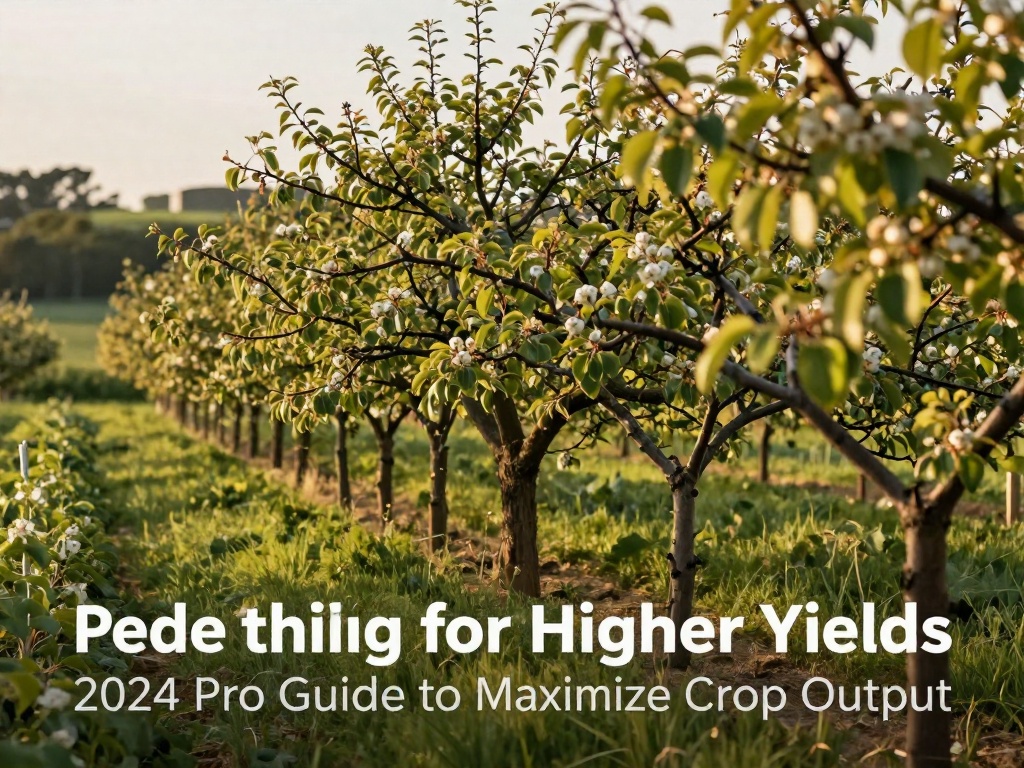
Pear Tree Thinning for Higher Yields: 2024 Pro Guide to Maximize Crop Output
Pear tree thinning for higher yields is a non-negotiable orchard practice for commercial and small-scale pear farmers alike. Thinning removes excess immature fruit from pear trees to prevent overcrowding, which can stunt growth, reduce fruit quality, and cause permanent tree damage. The USDA reports that properly thinned pear trees produce 20-30% higher marketable yields than unthinned trees, making the practice a high-ROI investment for any orchard.
What Is Pear Tree Thinning, and Why Does It Boost Yields?
Reduces Nutrient Competition for Developing Fruit
Unthinned pear trees often set 5-10 times more fruit than they can support through the growing season. Each developing pear requires consistent access to sunlight, water, and soil nutrients like nitrogen and potassium to reach full marketable size. When too many fruit grow on a single branch, none get enough resources to develop properly, leading to small, low-value fruit that fails to meet grocery store standards.
Prevents Permanent Tree Limb and Root Damage
Overloaded pear tree limbs can crack or break under the weight of excess mature fruit, causing long-term harm that reduces production for 2-3 subsequent growing seasons. Thinning also reduces root damage risk in young trees, which cannot support the strain of hundreds of unripe pears. The University of California Agriculture and Natural Resources (UC ANR) notes that unthinned pear trees are 3x more likely to suffer limb breakage during years of heavy fruit set.
Improves Fruit Quality and Market Value
Thinned pears grow larger, have more consistent sugar content, and develop the uniform skin color that commands 15-20% higher premiums at wholesale and farmers’ markets. Thinning also reduces the spread of common pear pests and diseases, like codling moths and fire blight, which thrive in the dense, humid conditions created by overcrowded fruit clusters.
Step-by-Step Guide to Proper Pear Tree Thinning
Time Your Thinning Window Correctly
The ideal time to thin pear trees is 2-4 weeks after full petal fall, when immature pears are roughly the size of a dime. This window ensures you remove excess fruit before they begin to draw heavy nutrients from the tree, while accounting for natural early-season fruit drop. For most temperate pear-growing regions, this falls between mid-April and early June.
Follow Standard Spacing Rules for Remaining Fruit
A widely adopted best practice among orchardists is to space remaining pear fruit 6 inches apart along each branch, with only one fruit per cluster. This spacing ensures every pear has enough room to grow to its full size without rubbing against neighboring fruit. Avoid leaving more than one fruit per spur, the short woody growth that produces pears annually, to prevent long-term overcrowding.
Thin Strategically to Preserve the Healthiest Fruit
Start thinning by removing any fruit that shows signs of pest damage, frost harm, or abnormal shape, as these will never reach full market potential. Next, remove fruit growing on weak, narrow branches, to keep the weight of mature fruit focused on strong, load-bearing limbs. Always thin from branch ends first, working back to the tree’s main trunk to avoid missing overcrowded clusters.
Common Thinning Mistakes to Avoid
Many new pear farmers make costly errors that undermine the benefits of thinning. The most common mistake is waiting too long to thin, after immature pears have already consumed large amounts of the tree’s nutrient stores. Another mistake is over-thinning, which reduces total yields by removing more fruit than the tree can support. Avoid thinning during wet weather, as this can increase the risk of spreading fire blight between trees through small open wounds.
Frequently Asked Questions About Pear Tree Thinning
How much fruit should I remove from a mature pear tree?
For a mature standard-size pear tree, you will typically remove 60-80% of the initial fruit set, leaving 100-200 fruit to mature through the growing season. This number varies slightly by pear variety, with large varieties like Bartlett requiring fewer fruit per tree than smaller varieties like Seckel pears.
Can I use chemical thinners instead of hand-thinning my pear trees?
Yes, large-scale commercial orchardists often use EPA-approved chemical thinners like carbaryl or ethephon to reduce the labor cost of hand-thinning hundreds of trees. Hand-thinning is more precise for small-scale orchards, however, as it lets you selectively remove only damaged or excess fruit. Always follow label guidelines when using chemical thinners to avoid crop damage.
Does pear tree thinning prevent alternate bearing cycles?
Yes, proper thinning is one of the most effective ways to stop alternate bearing, a pattern where trees produce a heavy crop one year and almost no fruit the next. Penn State Extension reports that unthinned pear trees are 70% more likely to enter alternate bearing, reducing total long-term yields by 40% over the tree’s productive lifespan.
No comments