
How to Care for Roses: 2026 Step-by-Step Guide for Beginners
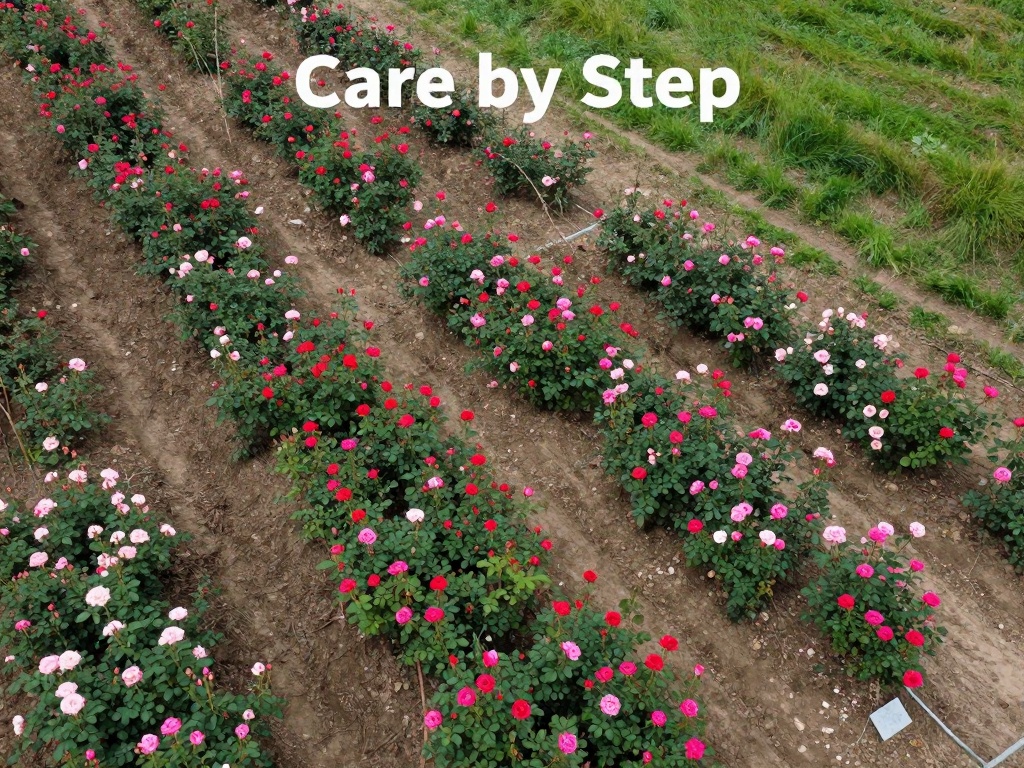
How to Care for Roses: 2026 Step-by-Step Guide for Beginners
Roses have captivated gardeners for centuries with their stunning blooms and intoxicating fragrance. Whether you are planting your first rose bush or looking to improve your existing rose garden, understanding proper roses care step by step makes all the difference between struggling plants and spectacular displays. This comprehensive guide walks you through every essential aspect of rose maintenance, from planting through ongoing care, ensuring your roses thrive year after year.
Understanding Your Rose Types
Before diving into roses care step by step, identifying your rose variety helps determine specific needs. Hybrid teas produce classic long-stem blooms perfect for cutting gardens. Floribunda roses offer clusters of colorful flowers throughout the season. Climbing roses add vertical interest to walls and trellises. Shrub and landscape roses provide disease-resistant options for low-maintenance gardens. Each type has slightly different requirements for pruning depth, feeding schedules, and winter protection.
Choosing the Right Location
Roses require at least six hours of direct sunlight daily for maximum blooming potential. Morning sun is particularly beneficial as it dries dew quickly, reducing fungal disease risks. Select a spot with good air circulation to prevent powdery mildew and black spot. Avoid planting roses near competing tree roots or in low-lying areas where cold air settles. The ideal location combines bright light, gentle airflow, and well-drained soil conditions.
Step 1: Planting Roses Correctly
Proper installation sets the foundation for healthy roses care step by step throughout the plant's life. The best time to plant bare-root roses is during late winter or early spring while plants remain dormant. Container-grown roses can be planted anytime during the growing season with careful attention to watering.
Preparing the Planting Hole
Dig your planting hole approximately twice the width of the root ball and just as deep as the roots extend. This loose soil around the sides encourages roots to spread into surrounding ground. Mix compost or well-rotted manure into the backfill soil to improve drainage and fertility. Create a small mound at the hole's center to support the crown where stems meet roots.
Positioning and Backfilling
Place your rose so the graft union sits just above soil level in warmer climates or one to two inches below in colder regions. Spread roots evenly over the mound without bunching or twisting. Backfill gradually, firming soil gently around roots to eliminate air pockets. Water deeply to settle soil around the root zone. Apply three to four inches of organic mulch, keeping material away from the stem itself.
Step 2: Watering Roses Properly
Consistent moisture proves essential for roses care step by step, especially during active growth and blooming periods. Deep, thorough watering encourages extensive root development rather than shallow surface roots. Most roses require approximately one to two inches of water weekly from rainfall or irrigation combined.
Best Watering Practices
Water directly at the soil surface early in the morning, avoiding wetting foliage which promotes disease. Deep watering once or twice weekly proves more effective than frequent shallow irrigation. Drip irrigation systems deliver water efficiently while keeping leaves dry. During hot summer months, increase watering frequency to prevent stress. Watch for wilting leaves during afternoon heat—this typically indicates the need for more water rather than less.
Step 3: Feeding Your Roses
Roses are heavy feeders requiring regular nutrition for abundant blooms and healthy foliage. A natural approach using organic methods provides slow-release nutrients while improving soil structure over time. Understanding the feeding schedule forms a crucial part of roses care step by step.
Organic Feeding Schedule
Apply compost or well-rotted manure around the base of plants in early spring as new growth emerges. Side-dress with blood meal or fish emulsion every four to six weeks during the growing season. Sprinkle epsom salt around plants monthly to boost magnesium levels and promote green foliage. In fall, switch to lower-nitrogen fertilizers to harden plants for winter dormancy. This organic method supports beneficial soil microorganisms while providing balanced nutrition.
Step 4: Pruning Techniques
Regular pruning maintains shape, encourages flowering, and removes damaged growth. Pruning forms a core component of roses care step by step for maintaining vigor and preventing disease. The good news is that roses are remarkably forgiving and recover quickly from even aggressive pruning.
When and How to Prune
Major pruning occurs in early spring when forsythia blooms—timing varies by climate but typically falls between late February and April. Remove all dead, diseased, and damaged wood first, cutting to healthy white pith. Open the center by removing crossing branches to improve airflow. Cut at a forty-five-degree angle approximately one-quarter inch above an outward-facing bud. Throughout the growing season, deadhead spent blooms by cutting to the first five-leaflet leaf to encourage continuous flowering.
Step 5: Disease and Pest Management
Vigilant monitoring prevents minor issues from becoming major problems. Common rose ailments include black spot, powdery mildew, rust, and various insect pests. Organic prevention and early intervention minimize damage while protecting beneficial insects.
Natural Prevention Methods
Maintain proper spacing between plants to ensure adequate air circulation. Water at soil level and avoid overhead sprinklers. Remove and destroy infected leaves promptly to prevent spread. Apply neem oil or insecticidal soap for aphid control on new growth. Encourage ladybugs and lacewings which naturally prey on rose pests. A strong spray of water dislodges small insects from foliage effectively.
Step 6: Seasonal Rose Care
Adjusting your roses care step by step throughout the year addresses seasonal challenges and prepares plants for changing conditions. Each season brings specific tasks that support optimal health and flowering.
Spring Tasks
Remove winter protection gradually as temperatures warm. Apply dormant spray to prevent overwintering pest eggs. Complete major pruning before buds swell significantly. Feed plants as new growth emerges. Begin regular watering and monitoring schedules.
Summer Maintenance
Deadhead regularly to promote continuous blooming. Water deeply during hot, dry periods. Mulch to conserve moisture and suppress weeds. Watch for pest and disease issues and address promptly. Avoid fertilizing after late summer to prevent tender growth before frost.
Fall and Winter Preparation
Stop deadheading in late summer to allow hips to form, signaling dormancy. Apply final fertilizer by early fall. Clean up fallen leaves to reduce disease carryover. mound soil or compost around the base for winter protection. In very cold climates, wrap plants in burlap for additional insulation.
FAQ: Roses Care Step by Step
What are the most common beginner mistakes in rose care?
Common errors include planting roses in too much shade, overwatering or underwatering, forgetting to fertilize regularly, pruning at the wrong time, and not mulching around plants. Many beginners also plant roses too deeply or fail to provide adequate air circulation between plants.
How often should I water newly planted roses?
Newly planted roses need watering every two to three days during the first month, tapering to once or twice weekly once established. Keep soil consistently moist but not waterlogged. Deep watering less frequently encourages roots to grow deeper into the soil.
What is the best month to prune roses?
The optimal pruning time varies by climate but generally falls in early spring when forsythia blooms or when buds begin to swell. In warmer climates, this may be late February or March. In colder regions, wait until April. Avoid pruning too early when tender growth might suffer frost damage.
How much does roses care cost in terms of time and money?
Initial investment includes rose plants ($15-30 each), soil amendments, mulch, and basic tools. Ongoing costs are minimal—organic fertilizers, compost, and occasional pest control supplies run approximately $50-100 annually. Time commitment averages thirty minutes weekly during growing season for maintenance tasks.
When can I expect to see results from proper rose care?
Newly planted roses typically establish roots during the first year with moderate flowering. Full, abundant blooms usually appear by the second or third growing season as plants mature. Consistent roses care step by step over several years produces increasingly spectacular displays.
Can I grow healthy roses in containers on a patio?
Yes! Choose compact or miniature rose varieties suited for container growing. Use large pots with drainage holes and quality potting mix. Container roses require more frequent watering and feeding than in-ground plants. Ensure at least six hours of sunlight and move containers to sheltered locations during winter freeze-thaw cycles.
Mastering roses care step by step rewards gardeners with spectacular blooms, enchanting fragrance, and the satisfaction of growing one of nature's most beloved flowers. With consistent attention to planting, watering, feeding, pruning, and seasonal care, your rose garden will flourish for years to come. Start implementing these techniques today and watch your roses transform into the pride of your landscape.
No comments