
Blackberries Organic Gardening: Beginner's 2026 Guide
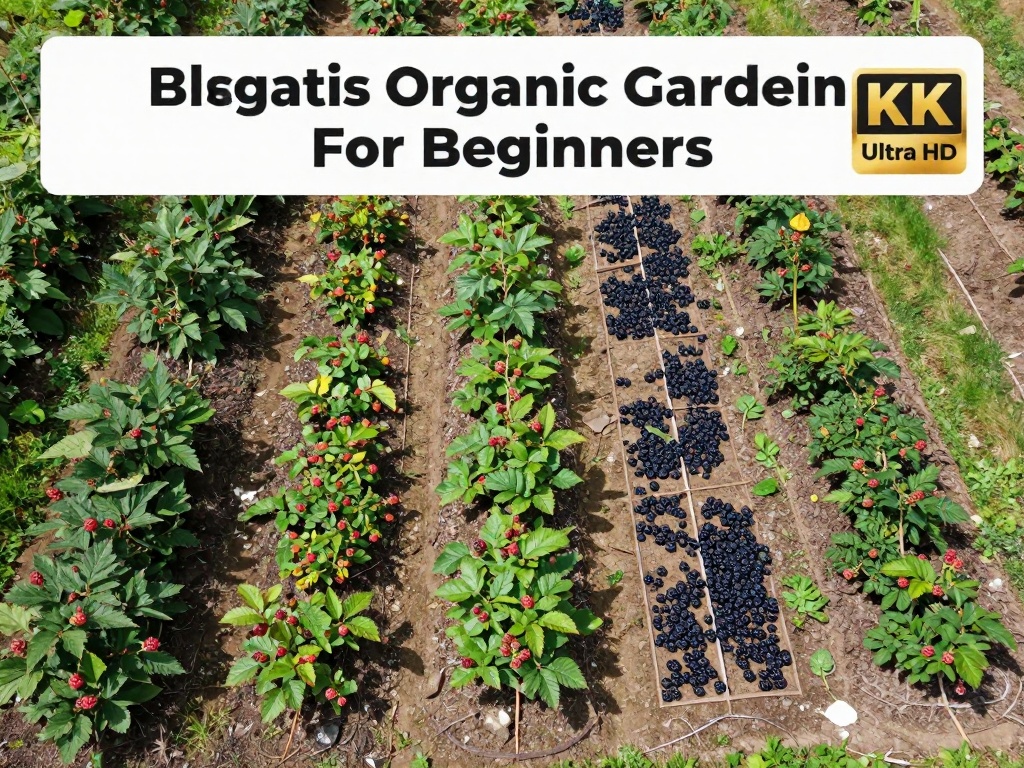
Blackberries Organic Gardening: Beginner's 2026 Guide
Blackberries organic gardening for beginners opens the door to one of the most rewarding fruit-growing experiences available to home gardeners. Nothing compares to the taste of sun-warmed, freshly picked blackberries grown right in your backyard without synthetic chemicals. This complete guide walks you through every step needed to establish a thriving organic blackberry patch, from selecting the right varieties to harvesting your first bountiful crop.
Why Choose Organic Blackberries?
Growing blackberries organically means cultivating fruit that is healthier for your family and better for the environment. Conventionally grown berries often carry pesticide residues, while organic methods build soil biology and support beneficial insects. Organic blackberries also develop richer, more complex flavors because the plants develop at their own natural pace without synthetic fertilizers forcing rapid growth.
Benefits of Going Organic
Organic blackberry gardening provides numerous advantages beyond just delicious fruit. Your garden becomes a haven for pollinators like bees and butterflies. Healthy soil ecosystems develop that suppress diseases naturally. You eliminate exposure to harmful chemicals in your food supply and reduce your environmental footprint. Additionally, organic practices often result in berries with higher antioxidant content.
Selecting the Best Blackberry Varieties
Choosing appropriate varieties forms the foundation of successful blackberries organic gardening for beginners. Different types suit different climates and growing spaces, so understanding your options prevents disappointment later.
Trailing Blackberries
Trailing varieties produce long canes that require trellising. These typically offer the largest, sweetest berries. Popular beginner-friendly trailing types include 'Triple Crown' and 'Chester Thornless.' They perform excellently in zones 5 through 9 and yield heavily once established.
Erect and Semi-Erect Blackberries
Erect varieties grow more compactly with self-supporting canes, making them ideal for smaller gardens. 'Natchez,' 'Ouachita,' and 'Arkansas Thornless' varieties are particularly forgiving for new growers. These types resist disease better in humid climates and require less structural support.
Primocane-Fruiting Varieties
Primocane-fruiting blackberries produce fruit on first-year canes, allowing harvest from late summer through fall. 'Prime-Ark Freedom' and 'Roanoke' extend your picking season significantly. These varieties work wonderfully for beginners because they simplify pruning—simply cut all canes to the ground each winter.
Understanding Soil Requirements
Blackberries thrive in slightly acidic soil with pH between 5.5 and 6.5. Before planting, conduct a soil test through your local extension office to determine your soil's current condition. This investment of time and modest cost pays dividends through healthier plants and better yields.
Preparing Your Planting Site
Blackberries organic gardening for beginners requires dedicated bed preparation. Choose a location receiving at least six to eight hours of direct sunlight daily. Avoid low areas where water collects, as blackberry roots are susceptible to root rot in waterlogged conditions. Raised beds work excellently in clay-heavy soils.
Amending Soil Organically
Work three to four inches of mature compost into the top twelve inches of soil before planting. This improves drainage in clay soils while enhancing water retention in sandy soils. Add rock phosphate for phosphorus and greensand for potassium—both slow-release organic options that feed plants gradually. Avoid fresh manure, which can burn tender roots and introduce pathogens.
Planting Your Blackberry Canes
Proper planting technique dramatically affects your blackberry plants' long-term success. Spring planting allows maximum establishment time before winter dormancy. However, fall planting works well in milder climates where ground rarely freezes.
Spacing and Arrangement
Space trailing varieties eight to ten feet apart in rows, with rows separated by ten feet. Erect varieties can be planted closer—three to four feet apart with eight-foot row spacing. This distance allows adequate air circulation, which prevents fungal diseases and makes harvesting easier.
Planting Depth and Technique
Dig holes wide enough to spread roots naturally without crowding. Set plants at the same depth they grew in their nursery containers—the soil line should match the original growing medium. Backfill with amended soil, tamping gently to eliminate air pockets. Water thoroughly after planting, applying at least one inch of water.
Building Trellis Systems
Trailing blackberry varieties require sturdy support for optimal production and easier management. Construct your trellis before or immediately after planting so canes can be trained as they grow.
Simple Trellis Designs
The T-trellis system works excellently for beginners. Drive sturdy posts six feet tall into the ground, spacing them sixteen to twenty feet apart. Attach a crossbar at thirty inches high, then string two wires along the bar—one at each edge. Train last year's canes to one side and current year's primocanes to the other.
Organic Care and Maintenance
Consistent care throughout the growing season ensures healthy plants and abundant harvests. Blackberries organic gardening for beginners emphasizes working with natural systems rather than relying on synthetic interventions.
Watering Practices
Blackberries need one to two inches of water weekly during growing season, more during fruit development. Deep, infrequent watering encourages deep root growth. Drip irrigation delivers water directly to root zones while keeping foliage dry, which prevents many disease problems. Mulch heavily around plants to retain moisture and suppress weeds.
Feeding Your Plants
Apply balanced organic fertilizer in early spring as new growth emerges. Fish emulsion, kelp meal, and quality compost provide slow-release nutrition. Avoid high-nitrogen fertilizers, which promote excessive vegetative growth at the expense of fruit production. Side-dress plants with compost in early summer for sustained feeding.
Natural Pest and Disease Management
Organic pest management relies heavily on prevention and biological control rather than chemical treatments. Understanding common problems helps you identify issues early when intervention is most effective.
Common Blackberry Pests
Spotted wing drosophila affects ripening fruit and requires vigilant monitoring. Set up apple cider vinegar traps to detect their presence. Japanese beetles can skeletonize leaves—handpick them in early morning when sluggish. Crown borers require careful monitoring; remove and destroy damaged canes promptly.
Disease Prevention
Maintain good air circulation through proper spacing and annual pruning. Remove all pruned material from the garden—many diseases overwinter on plant debris. Avoid overhead watering that wets foliage. Apply organic fungicides containing copper or sulfur preventively during wet weather seasons. Choose disease-resistant varieties when available.
Pruning for Productivity
Proper pruning maximizes fruit production while maintaining plant health. Different blackberry types require slightly different approaches, but the underlying principle remains consistent—remove spent canes while training new growth.
Understanding Cane Types
Primocanes are first-year green canes that will bear fruit next season. Floricanes are second-year brown canes currently producing fruit. After harvest, remove floricanes at ground level to make room for new primocanes and prevent disease buildup.
Pruning Techniques
For trailing types, tip primocanes when they reach three to four feet to encourage branching—more branches mean more fruit-bearing wood. In late winter, thin primocanes to five or six strong canes per plant. For erect and primocane-fruiting varieties, cut all canes to ground level in late winter.
Harvesting Your Blackberries
Patience during harvest rewards you with fruit at peak ripeness and flavor. Blackberries do not continue ripening after picking, so wait until berries turn fully black and glossy with no red areas remaining.
When and How to Pick
Harvest in early morning when temperatures are cooler for longest storage life. Gently pull ripe berries—they should release easily from the plant with minimal resistance. Never wash berries until ready to use, as moisture accelerates spoilage. Place harvested berries in shallow containers to prevent crushing.
Extending Your Harvest Season
Maximize your blackberry enjoyment by growing varieties with different ripening times. Combine early, mid, and late-season types for continuous harvesting from early summer through fall. Primocane-fruiting varieties particularly extend the season, often producing from August until first frost.
Common Beginner Mistakes to Avoid
New gardeners often encounter preventable problems when growing blackberries organically. Awareness of these pitfalls saves time, money, and frustration.
Planting in shade dooms blackberries to poor growth and minimal fruit production. Overwatering creates root rot problems that prove difficult to reverse. Neglecting soil pH leads to nutrient deficiencies even with proper fertilization. Finally, allowing weeds to compete for resources weakens young plants significantly during establishment.
Frequently Asked Questions
What month is best to plant blackberry bushes?
Early spring, approximately two to four weeks before your last expected frost, provides optimal planting conditions for most regions. This timing allows roots to establish before summer heat arrives. In zones 7 through 9, late fall planting also works well since winters remain mild enough for root development.
How long does it take for blackberry plants to produce fruit?
Most blackberry varieties produce a light crop in their second year after planting, with full production achieved by the third growing season. Primocane-fruiting varieties may produce some fruit the first year if planted early in spring. Quality establishment during the first two years ultimately produces more vigorous, productive plants.
Do blackberry plants need full sun to grow?
Yes, blackberries require minimum six to eight hours of direct sunlight daily for optimal growth and fruit production. Morning sun is particularly valuable as it dries dew from leaves quickly, reducing fungal disease pressure. Plants receiving less light produce fewer, smaller berries with inferior flavor development.
No comments