
Tomatoes Seed Starting in Containers: 2026 Complete Guide
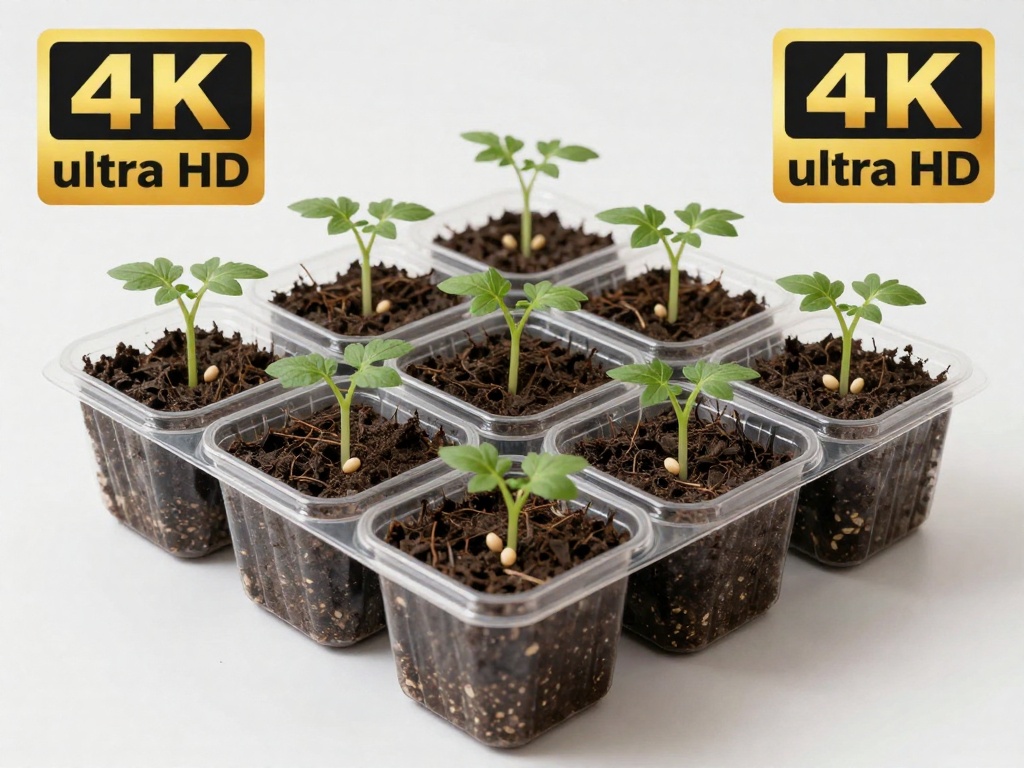
Tomatoes Seed Starting in Containers: 2026 Complete Guide
Starting tomatoes from seeds in containers opens up incredible possibilities for gardeners with limited space. Whether you have a small balcony, patio, or sunny windowsill, you can successfully grow robust tomato seedlings that will flourish into productive plants. This comprehensive guide covers everything you need to know about tomatoes seed starting in containers, from selecting the right varieties to transplanting healthy seedlings into their final homes.
Why Start Tomato Seeds in Containers?
Container seed starting offers remarkable flexibility for modern gardeners. You control the growing environment completely, protecting delicate seedlings from unpredictable weather and garden pests. Starting seeds indoors extends your growing season by several weeks, giving tomatoes more time to mature and produce abundant harvests.
Container gardening also eliminates soil-borne diseases that often plague directly sown garden beds. Your seedlings develop stronger root systems when given individual attention, resulting in healthier plants that adapt better when transplanted. This method works exceptionally well for apartment dwellers and urban gardeners who lack traditional garden space.
Benefits of Container Seed Starting
- Extended growing season by 4-6 weeks
- Complete control over growing conditions
- Higher germination success rates
- No garden plot required
- Reduced pest and disease pressure
Choosing the Right Containers for Seed Starting
Selecting appropriate containers forms the foundation of successful tomatoes seed starting in containers. Seedlings need adequate drainage and room for root development without becoming root-bound too quickly. The container size depends on how long you plan to keep plants before transplanting.
Container Size Guidelines
For initial seed starting, use cell packs or small pots measuring 2-3 inches in diameter. These compact spaces encourage seedlings to develop strong root systems while making efficient use of your indoor growing area. Once seedlings develop their second set of true leaves, transplant them into 4-inch containers where they can continue developing until outdoor conditions permit transplanting.
Biodegradable pots offer excellent convenience, allowing you to transplant seedlings directly without disturbing roots. However, plastic cell packs and recycled containers work equally well if they have adequate drainage holes. Clean your containers thoroughly between uses to prevent disease transmission.
Essential Container Features
- Multiple drainage holes at the bottom
- Material that maintains consistent soil temperature
- Depth of at least 2-3 inches for initial cells
- Width allowing proper air circulation between seedlings
- Light color to reflect heat and prevent root cooking
The Perfect Soil Mix for Tomato Seedlings
Tomatoes seed starting in containers requires a specialized growing medium that differs significantly from regular garden soil. Commercial seed-starting mixes provide the ideal balance of moisture retention and drainage that emerging seedlings need. These sterile blends prevent damping-off disease while providing the fine, fluffy texture young roots prefer.
Creating Your Own Seed-Starting Mix
Combine equal parts perlite, vermiculite, and sphagnum peat moss for a cost-effective seed-starting medium. This mixture provides excellent aeration while retaining sufficient moisture for germination. Add a small amount of dolomitic limestone to adjust pH levels and provide calcium, which tomatoes need for healthy development.
Never use garden soil alone in containers. It compacts too easily, preventing oxygen from reaching developing roots and often harboring diseases that attack seedlings. Even high-quality potting soil lacks the fine particle size and drainage properties that seed-starting mixes provide.
Moisture Management
The soil mix should feel like a wrung-out sponge when properly moistened. Add water gradually while mixing, testing the consistency by squeezing a handful. The mixture should hold its shape briefly before crumbling slightly. Overly wet soil suffocates emerging seeds and promotes fungal problems.
When to Start Tomato Seeds in Containers
Timing determines success when starting tomatoes from seeds in containers. Calculate your start date by counting backward from your area's last expected frost date. Tomato seedlings typically need 6-8 weeks of indoor growing before they're ready for transplanting outdoors.
Reading Your Frost Date
Find your local average last spring frost date through the USDA Plant Hardiness Zone map or cooperative extension service. In most temperate regions, this falls between mid-March and late April. Starting seeds too early results in overgrown, leggy seedlings that struggle to adapt when transplanted. Starting too late delays your harvest significantly.
Consider your specific tomato varieties as well. Large beefsteak tomatoes need more growing time than compact cherry varieties. Indeterminate varieties that produce continuously require earlier starting dates compared to determinate types that fruit all at once.
Signs Your Seedlings Are Ready for Transplanting
- 6-8 true leaves present (not counting seed leaves)
- Sturdy stems about pencil-thickness
- Healthy green color without yellowing
- Root system filling current container
- Outdoor temperatures consistently above 50°F
Step-by-Step Seed Starting Process
Preparing Your Seeds
Tomato seeds remain viable for 3-5 years when stored properly in cool, dry conditions. Test older seed batches by placing a few on a damp paper towel in a plastic bag. Most should germinate within a week if viable. For best results, purchase fresh seed from reputable suppliers each season.
Some gardeners presoak seeds overnight to accelerate germination, though this step remains optional. Others use a weak chamomile tea solution for soaking, believing it provides mild disease protection. Neither method dramatically improves results with fresh, healthy seed.
Planting Depth and Technique
Plant tomato seeds at a depth equal to their width—typically about one-quarter inch deep. Cover seeds lightly with your moistened seed-starting mix, then gently firm the surface to ensure good seed-to-soil contact. Label each variety immediately to prevent confusion later.
Spray the surface lightly with water after planting to settle soil around seeds. Cover containers with plastic wrap or a humidity dome until sprouts emerge, then remove covering immediately. Maintaining high humidity before germination prevents the soil surface from drying out.
Temperature Requirements
Tomato seeds germinate fastest when soil temperatures range between 70-80°F. Place containers on heat mats designed for seed starting to maintain consistent warmth. At optimal temperatures, sprouts emerge within 5-10 days. Cooler conditions slow germination significantly and increase the risk of seeds rotting before sprouting.
Once seedlings emerge, move them to cooler locations with temperatures around 65-70°F during the day and slightly cooler at night. This temperature differential encourages sturdy growth and prevents the leggy, stretched seedlings that result from excessive warmth combined with insufficient light.
Lighting for Strong Seedling Development
Proper lighting proves absolutely critical when starting tomatoes from seeds in containers. Seedlings require 14-16 hours of bright light daily to develop properly. Without adequate illumination, plants stretch toward light sources, developing weak, spindly stems that cannot support future fruit loads.
Choosing Grow Lights
LED grow lights provide excellent results while consuming less energy than fluorescent alternatives. Position lights 2-4 inches above seedling tops, raising them as plants grow to maintain proper distance. Cheap "grow bulbs" marketed for plants often lack the spectrum quality that tomatoes need for healthy development.
Supplement natural window light with artificial lighting whenever possible. Even south-facing windows rarely provide sufficient intensity for optimal seedling growth. Rotate containers regularly to ensure all seedlings receive equal light exposure and develop evenly.
Hardening Off Seedlings
Before transplanting container-started seedlings outdoors, gradually acclimate them to outdoor conditions over 7-10 days. Start by placing seedlings outside in dappled shade for an hour or two during the warmest part of the day. Increase exposure time and direct sunlight gradually while monitoring for wilting or sunscald.
Common Problems and Solutions
Leggy Seedlings
Stretching occurs when seedlings receive insufficient light relative to temperature. Increase light intensity, lower temperatures slightly, and ensure your light source sits close enough to plants. Running a small fan near seedlings strengthens stems through gentle air movement while also reducing fungal disease risks.
Yellowing Leaves
Yellow seedlings often indicate overwatering, nutrient deficiency, or root-bound conditions. Allow soil to dry slightly between waterings, and begin feeding seedlings with diluted liquid fertilizer once they develop their second set of true leaves. Transplant into larger containers promptly when roots emerge from drainage holes.
Damping-Off Disease
This fungal problem attacks seedlings at the soil line, causing sudden wilting and death. Prevent damping-off by using sterile seed-starting mix, providing good air circulation, avoiding overwatering, and maintaining appropriate temperatures. Once affected, affected seedlings cannot be saved—remove and dispose of them immediately.
Transplanting Container Seedlings
When outdoor conditions finally permit, transplant your container-grown tomato seedlings into their permanent homes. Choose a cloudy day or late afternoon for transplanting to reduce stress on plants. Dig holes deep enough to bury two-thirds of the seedling's stem—tomatoes readily develop adventitious roots along buried stems.
Space indeterminate varieties 24-36 inches apart in containers holding at least 5 gallons of potting mix. Determinate varieties can be spaced more closely. Use high-quality potting mix specifically formulated for containers, as regular garden soil lacks the drainage and nutrient-holding capacity that container plants need.
FAQ
What is the best month to start tomato seeds in containers?
The ideal timing depends on your location and last frost date. Generally, start tomato seeds indoors 6-8 weeks before your expected last spring frost. For most temperate regions, this means beginning in late February through mid-March for spring planting.
Do tomato seedlings need direct sunlight?
Yes, tomato seedlings need direct sunlight after developing true leaves. Initially, place them in bright indirect light, then gradually introduce direct sun over several days during hardening off. Indoors, supplement natural light with grow lights positioned close to plants for 14-16 hours daily.
How deep should tomato seeds be planted in containers?
Plant tomato seeds at approximately one-quarter inch deep—roughly equal to the seed's width. Cover lightly with seed-starting mix and firm gently to ensure good seed-to-soil contact. Seeds planted too deeply struggle to emerge, while those planted too shallow may dry out.
Should I fertilize tomato seedlings in containers?
Begin fertilizing tomato seedlings once they develop their second set of true leaves, using a diluted balanced liquid fertilizer at half the recommended strength. Continue feeding every 1-2 weeks until transplanting. Quality seed-starting mix contains minimal nutrients, making supplemental feeding essential for healthy growth.
No comments