
Drought Resistant Crop Varieties Comparison: 2026 Guide
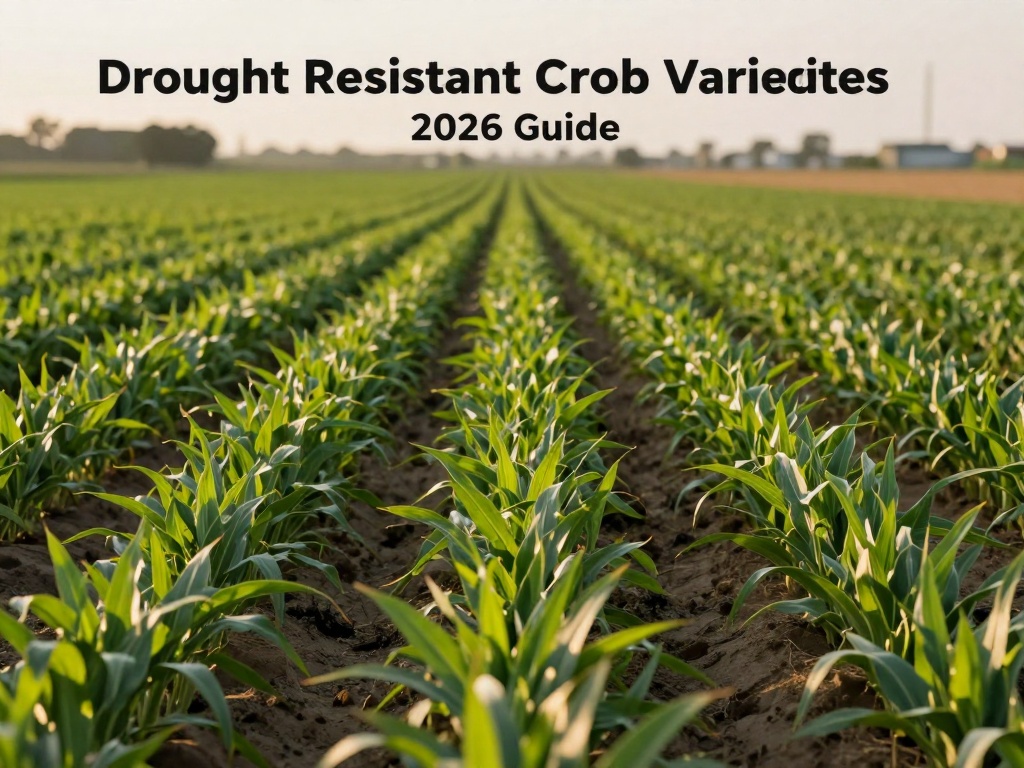
Drought Resistant Crop Varieties Comparison: 2026 Guide
Farming in water-scarce conditions presents one of the greatest challenges for modern agriculture. As climate variability increases and water resources become increasingly limited, selecting the right drought resistant crop varieties has become essential for maintaining profitable yields. This comprehensive comparison guide examines the most promising drought-tolerant crops available to farmers in 2026, providing data-driven insights to help you make informed seed selection decisions.
Why Drought Resistant Varieties Matter in Modern Farming
Water scarcity now affects over 40% of the world's agricultural land, making drought resistance a critical factor in crop selection. Traditional crop varieties often suffer significant yield losses—sometimes exceeding 50%—during extended dry periods. Modern drought-resistant crop varieties have been specifically bred to maintain productivity with less water, offering farmers a practical solution to climate uncertainty.
The economic benefits extend beyond yield preservation. Farmers who choose appropriate drought-tolerant varieties typically reduce irrigation costs, lower pumping expenses, and decrease their environmental footprint. These advantages make drought resistant seed investment increasingly attractive regardless of farm size or location.
Major Drought Resistant Crop Varieties Comparison
1. Drought-Tolerant Corn Varieties
Corn represents one of the most water-demanding major crops, making drought resistance particularly valuable. Leading varieties have shown yield advantages of 15-25 bushels per acre during moderate drought conditions compared to conventional hybrids.
Top performers in 2026 include:
- Agrisure Artesian technology – Demonstrates 10-15% yield advantage under stress conditions
- DeKalb DKC64-87 – Excellent stay-green characteristics and root development
- Pioneer P1197AM – Strong performance in variable soil types
- Syngenta NK1848 – Superior drought tolerance with good disease resistance
Research indicates that transgenic drought-tolerant corn varieties consistently outperform conventional hybrids when precipitation falls below 70% of normal levels. The genetic mechanisms underlying this tolerance include improved root architecture, reduced leaf transpiration, and more efficient water use within plant cells.
2. Drought-Tolerant Wheat Varieties
Wheat serves as a staple food source for billions, and developing drought-resistant varieties remains a global priority. Winter wheat varieties with drought tolerance have shown remarkable adaptability across diverse growing conditions.
Leading drought-resistant wheat varieties:
- WestBred WB4303 – Excellent fall growth and spring recovery
- Limagrain LCS Helium – Superior test weight maintenance under stress
- Syngenta SY Wolverine – Strong disease package with drought tolerance
- AgriPro SY Monument – Good vernalization requirements for northern regions
Durum wheat varieties bred for drought resistance show particular promise in the Great Plains and other semi-arid regions. These varieties typically exhibit deeper root systems, smaller leaves that reduce water loss, and earlier maturity that helps them complete their life cycle before peak summer heat.
3. Drought-Tolerant Soybean Varieties
Soybeans respond differently to drought stress than cereals, making variety selection equally important. Drought-tolerant soybean varieties have been developed through both conventional breeding and genetic modification approaches.
Recommended drought-resistant soybean varieties:
- Asgrow AG36X6 – Excellent stress tolerance and disease resistance
- Pioneer P22A80X – Superior yield stability across environments
- Credenz CZ 3841 – Good performance in variable conditions
- Syngenta S39-A2X – Strong defensive traits with drought tolerance
Research from university extension programs demonstrates that drought-tolerant soybeans maintain 12-18% higher yields compared to standard varieties during moisture-stressed growing seasons. The genetic traits responsible include enhanced root nodulation for nitrogen fixation and improved photosynthesis efficiency under high temperatures.
4. Sorghum – Nature's Drought Champion
Sorghum stands out as perhaps the most inherently drought-resistant major grain crop. This ancient grain evolved in African savannas where drought tolerance became essential for survival. Modern hybrid sorghum varieties have enhanced these natural characteristics significantly.
Top performing sorghum varieties:
- Pioneer 83P10 – Excellent stay-green and grain quality
- DeKalb DKS51-01 – Strong yield potential with early maturity
- Alta 4660 – Superior photoperiod sensitivity for varied latitudes
- Gold Country 93-75 – Good threshability and standability
Grain sorghum typically requires 30-50% less water than corn while producing comparable caloric yield per acre. This remarkable efficiency makes sorghum increasingly attractive for water-limited farming operations, particularly in the High Plains and southwestern United States.
5. Other Notable Drought-Tolerant Crops
Several specialty crops offer exceptional drought resistance and merit consideration for appropriate farming systems:
Millet varieties – Proso and pearl millet thrive with minimal rainfall, requiring as little as 18-24 inches annually. These crops complete their life cycle in 60-90 days, effectively avoiding the worst drought periods.
Cowpeas – This legume crop demonstrates remarkable heat and drought tolerance while fixing atmospheric nitrogen. Cowpeas produce edible protein even under marginal moisture conditions that would destroy other crops.
Sunflowers – Modern drought-tolerant sunflower hybrids have expanded production into previously unsuitable regions. Their deep taproot systems access moisture unavailable to shallower-rooted crops.
Key Factors When Comparing Drought Resistant Varieties
Yield Potential Under Stress vs. Optimal Conditions
Understanding the yield stability curve helps farmers select varieties appropriate for their specific risk profile. Some varieties maximize yield under ideal conditions but suffer greatly under stress, while others sacrifice top-end yield potential for consistent performance across environments.
University variety trials provide valuable performance data across multiple locations and years. Look for varieties that perform consistently in both stressed and non-stressed environments. The best drought-resistant varieties maintain at least 80% of their yield potential during moderate stress conditions.
Maturity Rating and Growing Season Compatibility
Matching variety maturity to your growing season proves crucial for maximizing yields in water-limited environments. Early-maturing varieties can complete their reproductive phase before peak summer heat and drought typically occur. However, they may sacrifice yield potential when conditions remain favorable throughout the season.
Most drought-prone regions benefit from planting varieties that reach physiological maturity 7-14 days before the historical average last drought stress period. This strategy maximizes the likelihood of successful grain fill before moisture becomes critically limited.
Root Architecture and Depth
Root characteristics significantly influence drought tolerance performance. Deep, extensive root systems access moisture stored in lower soil horizons that shallow-rooted varieties cannot reach. Research indicates that drought-tolerant varieties often invest more energy in root development relative to shoot growth.
Look for varieties with documented superior root mass or root depth characteristics. Some seed companies now offer specific root architecture ratings in their variety descriptions. Selecting varieties with appropriate root characteristics for your soil profile and irrigation capacity improves overall water use efficiency.
Disease and Pest Resistance Package
Drought stress often increases crop vulnerability to certain diseases and insect pests. Varieties combining drought tolerance with strong defensive traits reduce the risk of compound stress events that can devastate yields. Evaluate disease resistance ratings carefully, particularly for root rots, stalk rots, and foliar diseases common in your region.
Regional Considerations for Drought Resistant Variety Selection
Great Plains and High Plains
The western Great Plains experience the most severe and frequent drought conditions in the United States. Sorghum remains the dominant drought-resistant choice in this region, with winter wheat providing additional rotational options. Corn production in this region typically relies on limited irrigation or drought-prone rainfed conditions.
Midwest Corn Belt
Even traditionally reliable Midwestern growing regions now experience periodic drought stress. Drought-tolerant corn hybrids have become standard recommendations, with soybean drought tolerance traits gaining popularity. Selection should emphasize yield stability across variable growing seasons.
Southern United States
Long, hot summers with intermittent drought characterize Southern growing conditions. Cotton, peanuts, and sorghum offer excellent drought resistance for this region. Corn production benefits significantly from drought-tolerant varieties that can withstand heat and moisture stress during silking and grain fill.
Pacific Northwest and California
Mediterranean climate patterns create unique challenges where winter rainfall must sustain crops through dry summers. Drought-tolerant wheat varieties perform well in this environment, as do pulse crops like lentils and chickpeas. Careful variety selection for fall-planted crops helps maximize water use efficiency.
Economic Considerations for Drought Resistant Seeds
Drought-resistant seed varieties typically command a price premium ranging from $15 to $50 per unit compared to conventional genetics. This investment must be evaluated against potential yield protection during drought years and reduced irrigation costs in water-limited operations.
Risk analysis suggests that drought-resistant varieties provide positive returns in regions experiencing drought stress in more than 30% of growing seasons. Farms with limited irrigation capacity or those relying entirely on rainfall should strongly consider this investment regardless of regional average precipitation levels.
Seed company warranties and performance guarantees vary significantly. Understand the terms of any technology fee refund provisions that may apply if performance fails to meet expectations under documented drought conditions.
Making Your Final Selection
Choosing the right drought-resistant crop varieties requires balancing multiple factors including yield potential, maturity, regional adaptation, and economic considerations. No single variety performs optimally in all conditions, making thoughtful selection based on your specific farming system essential.
Consult university extension variety trial data, talk to local agricultural advisors, and consider your farm's specific risk exposure when making variety selections. The investment in appropriate drought-resistant varieties pays dividends through improved yield stability, reduced input costs, and enhanced resilience to climate variability.
The future of profitable agriculture in water-limited regions depends heavily on continuing to improve and adopt drought-resistant crop genetics. Stay informed about new variety releases and emerging technologies that promise even greater drought tolerance in coming growing seasons.
Frequently Asked Questions
What is the most drought-resistant crop available for farming?
Sorghum is generally considered the most inherently drought-resistant major grain crop, capable of producing acceptable yields with 30-50% less water than corn. Pearl millet and cowpeas also demonstrate exceptional drought tolerance, but sorghum offers the best combination of drought resistance and high yield potential for commercial grain production.
How much yield advantage do drought-resistant corn varieties provide?
Drought-tolerant corn hybrids typically yield 15-25 bushels per acre more than conventional hybrids during moderate drought stress conditions. Under severe drought, this advantage can exceed 40 bushels per acre. The actual benefit depends on drought severity, soil type, and whether other stress factors compound the moisture limitation.
Are genetically modified drought-tolerant crops safe to grow?
Yes, drought-tolerant genetically modified crops have been extensively studied and approved by food safety authorities worldwide. Crops containing drought tolerance traits like those developed by Monsanto and Syngenta have been grown commercially for over a decade with no documented adverse effects on human health, animal health, or the environment.
Should I plant drought-resistant varieties every year or only during drought conditions?
Agricultural experts recommend planting drought-resistant varieties consistently rather than trying to predict drought years. These varieties typically perform equally well or slightly better than conventional varieties even under favorable conditions, while providing significant protection during stress years. The cost of drought-resistant seed is justified by yield stability rather than maximum yield potential alone.
No comments