
2024 Proven Guide: Diatomaceous Earth for Organic Squash Bug Control
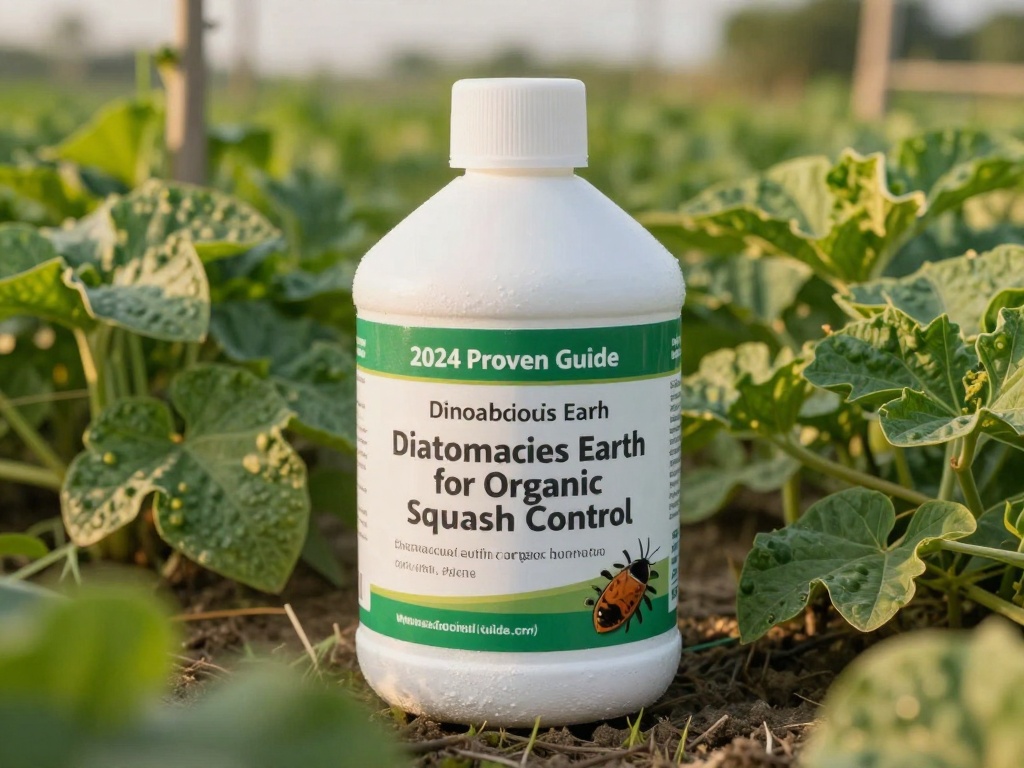
2024 Proven Guide: Diatomaceous Earth for Organic Squash Bug Control That Works
Squash bugs are one of the most destructive pests for home gardeners, destroying zucchini, pumpkins, and winter squash by sucking sap from plant leaves and spreading fatal plant pathogens. For organic growers, synthetic chemical pesticides are off-limits, so many turn to diatomaceous earth for organic squash bug control to keep their crops safe. This natural, non-toxic solution targets soft-bodied pests without harming beneficial insects like bees or ladybugs when applied correctly.
What Is Diatomaceous Earth, and How Does It Kill Squash Bugs?
The Science Behind This Natural Pest Solution
Diatomaceous earth (DE) is a fine, silica-rich powder made from the fossilized remains of diatoms, tiny aquatic organisms with hard, glass-like shells. Only food-grade DE is safe for organic garden use, as pool-grade DE is processed with chemicals that make it dangerous for edible crops. When squash bugs crawl through dry DE, the sharp microscopic edges of the powder scratch their waxy outer exoskeleton. This causes the pests to lose moisture rapidly, leading to dehydration and death within 48 hours, per data from the University of Minnesota Extension.
Why It Outperforms Synthetic Pesticides for Organic Plots
Unlike synthetic bug sprays that leave residual chemicals on produce and kill pollinators on contact, food-grade DE only harms pests that have direct physical contact with the powder. It breaks down naturally in soil within a few weeks, leaving no harmful traces, and aligns with all USDA organic growing standards. This makes it a top choice for certified organic growers and home gardeners focused on sustainable practices.
How to Apply Diatomaceous Earth for Maximum Squash Bug Control
Step 1: Source Only Certified Food-Grade DE
Never use pool-grade or industrial-grade DE for garden pest control. Pool-grade DE is heated and chemically treated to filter pool water, which makes it toxic to inhale and unsafe for use on edible crops. Always buy food-grade DE from a reputable garden supply store to ensure it meets safety standards for organic growing.
Step 2: Apply DE at the Optimal Time and Location
DE only works when it stays dry, so apply the powder early in the morning after dew has evaporated, or late in the evening after pollinators have stopped foraging. Create a thin, even barrier around the base of your squash plants, and dust a light coating on the undersides of leaves where squash bugs lay eggs and hide. Reapply immediately after heavy rain or overhead watering to maintain your protective barrier.
Step 3: Pair DE With Long-Term Prevention Strategies
For the best results, combine DE use with other organic pest management practices. A 2023 study from Ohio State University found that pairing diatomaceous earth applications with annual crop rotation and end-of-season plant debris removal reduced squash bug populations by 86% over two growing seasons, far outperforming DE used alone. You can also introduce natural squash bug predators like tachinid flies to keep populations low long-term.
Common Mistakes to Avoid When Using DE
Many new gardeners make simple mistakes that reduce DE’s effectiveness or put beneficial insects at risk. The most common error is applying a thick layer of DE that clogs plant leaf pores and disrupts photosynthesis. A light, dust-like coating is all you need to kill squash bugs. Another common mistake is applying DE during midday when bees are foraging, which can expose pollinators to the powder. Sticking to early morning or evening applications eliminates this risk entirely.
Frequently Asked Questions
Is diatomaceous earth safe to use on all edible garden crops?
Yes, food-grade diatomaceous earth is safe for use on all fruits, vegetables, and herbs. It washes off easily with water before consumption, leaving no harmful residues on your produce.
How long does diatomaceous earth take to kill squash bugs?
Per University of Minnesota Extension data, squash bugs die within 48 hours of direct contact with dry diatomaceous earth. The powder must stay dry to work, so always reapply after rain or watering.
Can I use diatomaceous earth if I have pets that roam my garden?
Yes, food-grade DE is non-toxic to dogs, cats, and all common household pets. To avoid minor lung irritation from inhaling fine powder, apply DE when your pets are indoors, and wait 15 minutes for the powder to settle before letting them outside.
No comments