
Zucchini Organic Gardening in Containers: Complete 2026 Guide
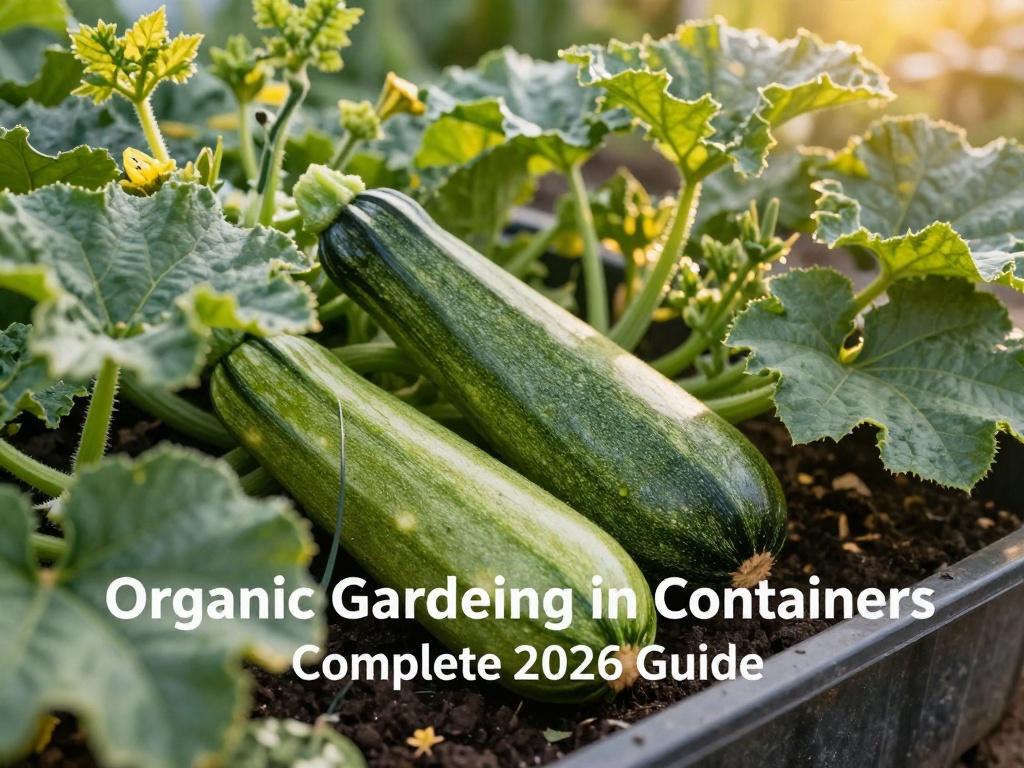
Zucchini Organic Gardening in Containers: Complete 2026 Guide
Zucchini organic gardening in containers offers urban gardeners and space-conscious homeowners the perfect opportunity to enjoy fresh, chemical-free produce right on their patios, balconies, or decks. This comprehensive guide walks you through everything you need to know to successfully grow zucchini organically in containers, from selecting the right varieties to harvesting your first bounty.
Why Choose Container Gardening for Zucchini?
Container gardening has revolutionized how we approach vegetable cultivation, especially for those with limited outdoor space. Zucchini, known for its vigorous growth and generous yields, adapts remarkably well to container life when given proper care and conditions.
Space Efficiency
You don't need a sprawling garden plot to enjoy homegrown zucchini. A single container on your balcony can produce enough zucchini to feed a small family throughout the summer months. This makes organic container gardening an excellent solution for apartment dwellers and urban farmers.
Disease and Pest Control
Growing zucchini in containers provides a natural barrier against many soil-borne diseases and crawling pests. When you control the growing medium from the start with organic components, you eliminate many common problems that affect garden-planted zucchini.
Portability and Flexibility
Container-grown zucchini can be moved to follow optimal sunlight throughout the season. You can bring plants indoors during unexpected cold snaps or position them in the warmest spot on your property for maximum growth.
Best Zucchini Varieties for Container Growing
Not all zucchini varieties perform equally well in containers. Selecting the right cultivar is crucial for your organic container gardening success.
Compact Bush Varieties
Look for bush-type zucchini varieties that grow in a contained, mounded form rather than sending out long trailing vines. These compact plants are specifically bred for smaller spaces and container culture.
- Black Beauty: A classic variety producing dark green fruits, excellent for containers
- Caserta: Compact bush habit with excellent flavor
- Golden Zucchini: Yellow variety offering visual appeal and mild taste
- Raven: Early producer with dark green fruits and disease resistance
Pattypan/Scallop Varieties
These uniquely shaped summer squashes have a bushier growth habit that adapts exceptionally well to container living. They also add visual interest to your patio garden with their distinctive flying saucer shapes.
Choosing the Right Container
Container selection significantly impacts your zucchini organic gardening success. Zucchini plants develop extensive root systems that require adequate space for optimal nutrient and water uptake.
Container Size Requirements
Select containers that are at least 18 inches deep and 24 inches wide for each zucchini plant. Five-gallon buckets work well, as do fabric grow bags and large ceramic or plastic planters. The larger the container, the better the moisture retention and root development.
Drainage Considerations
Ensure your chosen container has adequate drainage holes. Standing water leads to root rot and fungal problems. Place a layer of gravel or broken pottery at the bottom to promote proper drainage while preventing soil loss.
Organic Soil Mix for Container Zucchini
Creating the perfect organic growing medium is fundamental to successful zucchini organic gardening in containers. Commercial potting mixes rarely meet organic standards, so mixing your own ensures quality control.
Recommended Soil Mix Components
- Compost: Base component providing slow-release nutrients and beneficial microorganisms
- Coconut Coir: Sustainable alternative to peat moss for moisture retention
- Perlite: Improves aeration and drainage
- Worm Castings: Rich organic fertilizer boost
- Aged Manure: Provides slow-release nitrogen
Organic Amendments
Mix in additional organic amendments like bone meal for phosphorus and blood meal for nitrogen. These slow-release fertilizers support healthy growth throughout the season without synthetic chemicals.
Planting and Spacing Guide
Proper planting technique sets the foundation for vigorous zucchini growth in your organic container garden.
Starting from Seeds
Direct sow 2-3 seeds per container at a depth of 1 inch. Maintain soil temperature above 60°F for optimal germination. Seeds typically sprout within 7-10 days under favorable conditions.
Transplanting Seedlings
If using nursery transplants, handle seedlings carefully to avoid disturbing roots. Plant at the same depth as the original container, gently firming organic soil around the root ball.
Thinning for Success
Once seedlings develop their second set of true leaves, thin to one strong plant per container. This prevents overcrowding and ensures adequate nutrients reach your zucchini plant.
Essential Care for Container Zucchini
Maintaining healthy zucchini plants requires attention to watering, sunlight, and ongoing organic nutrition throughout the growing season.
Watering Requirements
Container zucchini needs consistent moisture, typically requiring water every 1-2 days during hot weather. Check soil moisture by inserting your finger 2 inches deep; water when the soil feels dry. Avoid wetting foliage to prevent powdery mildew, a common zucchini problem.
Sunlight Needs
Zucchini requires full sun exposure of at least 6-8 hours daily for maximum production. Position containers where they receive morning sun and some afternoon shade in extremely hot climates to prevent heat stress.
Organic Fertilization Schedule
Feed your container zucchini every 2-3 weeks with organic liquid fertilizer such as fish emulsion, seaweed extract, or compost tea. Container plants deplete nutrients faster than garden beds, making regular feeding essential for abundant harvests.
Mulching for Moisture Retention
Apply a 2-inch layer of organic straw or wood chip mulch around the base of your zucchini plant. Mulching reduces water evaporation, keeps roots cool, and adds organic matter as it decomposes.
Common Problems and Solutions
Even with excellent care, container zucchini sometimes faces challenges. Understanding common problems helps you respond quickly and effectively.
Powdery Mildew
This fungal disease appears as white powdery spots on leaves. Improve air circulation by spacing containers properly and water at soil level. Apply organic neem oil spray as a preventive measure.
Squash Vine Borers
These destructive pests bore into stems at soil level. Wrap stems with aluminum foil or row cover fabric to prevent egg-laying. Inspect plants regularly and remove any affected portions immediately.
Blossom End Rot
Calcium deficiency and inconsistent watering cause dark, sunken spots on fruit bottoms. Maintain steady moisture levels and add crushed eggshells or gypsum to your organic soil mix.
Poor Fruit Set
Zucchini produces separate male and female flowers. Early-season poor fruit set is normal as pollinator activity increases. Hand-pollinate flowers using a small brush if natural pollination seems insufficient.
Harvesting Your Container Zucchini
Knowing when and how to harvest determines both fruit quality and continued production from your organic zucchini plant.
Optimal Harvest Size
Pick zucchini when fruits are 6-8 inches long for best texture and flavor. Larger fruits become seedy and less palatable. Check plants daily during peak production, as zucchini can grow surprisingly fast in warm weather.
Harvesting Technique
Use a sharp knife or pruning shears to cut fruits from the plant, leaving a small stem portion attached. Harvest regularly to encourage continued flowering and fruit production throughout the season.
Extending Harvest Season
Remove all mature fruits, even those you don't plan to use. Overripe zucchini on the plant signals the plant to stop producing. Consistent harvesting keeps your container plant productive for months.
Frequently Asked Questions
What size container is best for growing zucchini organically?
A container at least 18 inches deep and 24 inches wide provides adequate space for zucchini root development. Five-gallon buckets or fabric grow bags work excellently. Larger containers retain moisture better and produce more abundant harvests.
Can zucchini grow successfully in pots without a garden?
Yes, zucchini thrives in containers on patios, balconies, and decks with proper care. Ensure your container receives 6-8 hours of direct sunlight daily, use quality organic soil mix, and maintain consistent watering and fertilization schedules.
How often should I fertilize organic zucchini in containers?
Apply organic liquid fertilizer every 2-3 weeks during the growing season. Container plants need more frequent feeding than garden plants because nutrients leach through drainage holes. Fish emulsion, compost tea, and seaweed extract provide excellent organic nutrition.
What organic methods control zucchini pests naturally?
Introduce beneficial insects like ladybugs and lacewings for aphid control. Apply neem oil for fungal issues and chewing pests. Use row covers to protect plants from flying insects. Hand-pick larger pests like squash bugs and remove them from plants.
Why are my container zucchini flowers falling off without producing fruit?
This typically indicates incomplete pollination or excessive nitrogen promoting vine growth over fruit production. Hand-pollinate by transferring pollen from male to female flowers using a small brush. Reduce nitrogen fertilization if plants appear overly lush with few fruits.
No comments