
10 Epic Tomato Gardening Experiments for Maximum Yields
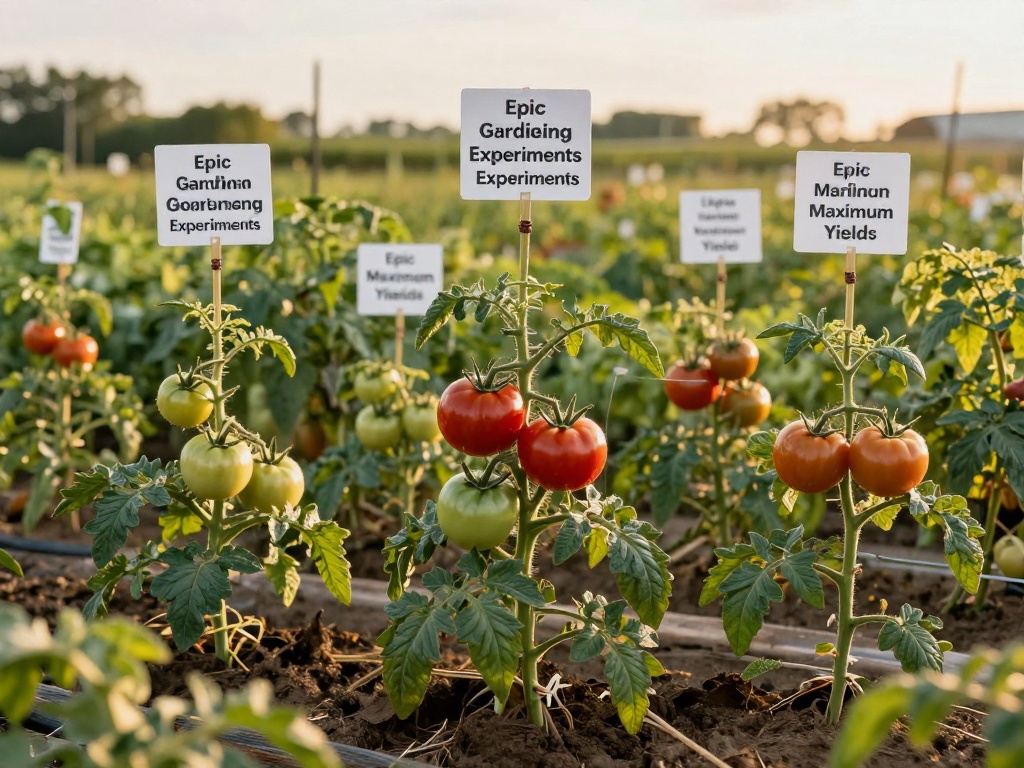
10 Epic Tomato Gardening Experiments for Maximum Yields
Tomato gardening offers endless opportunities for experimentation and discovery. Whether you are a seasoned grower or just starting out, testing new techniques can transform your harvest from ordinary to extraordinary. These epic gardening tomato experiments combine scientific methods with practical wisdom to help you grow the most flavorful, abundant tomatoes on the block.
1. Heirloom vs. Hybrid Variety Trials
One of the most rewarding epic gardening tomato experiments involves comparing heirloom and hybrid varieties side by side. Plant at least three varieties from each category in identical conditions to evaluate disease resistance, flavor profile, and overall productivity. This experiment helps you identify which tomatoes thrive best in your specific climate and soil.
Heirloom varieties often deliver superior taste and unique characteristics, while hybrids typically offer better disease resistance and consistent yields. Document your observations throughout the season to build a database of variety performance for future planting seasons.
What to Measure in Your Variety Trial
- Days to maturity from transplanting
- Total fruit weight per plant
- Disease resistance and pest susceptibility
- Flavor ratings based on taste tests
- Crack resistance during wet periods
2. Container Size Comparison Experiment
Not everyone has space for a traditional garden bed, making container gardening a popular alternative. Test different container sizes to determine the minimum requirements for healthy tomato growth. Compare containers ranging from 5-gallon to 20-gallon capacities with the same tomato variety.
Smaller containers limit root development and water retention, potentially reducing yields. Larger containers provide more stable moisture levels and root space, often resulting in more vigorous plants and bigger harvests.
3. Pruning Techniques Showdown
Pruning dramatically affects tomato plant structure and fruit production. Design an epic gardening tomato experiment testing three common approaches: unpruned, single-stem pruning, and selective pruning. Maintain consistent varieties, feeding schedules, and growing conditions across all test plants.
Single-stem pruning directs all energy into the main leader, producing fewer but larger fruits. Selective pruning balances fruit size with total yield. Unpruned plants generate more fruit but often smaller in size.
Pruning Methods Compared
- Single stem: Maximum fruit size, easier staking, lower total yield
- Selective: Balanced approach with good fruit quality and quantity
- Unpruned: Maximum foliage protection, natural growth, variable fruit sizes
4. Watering Frequency Optimization
Water management profoundly impacts tomato quality and plant health. Create an experiment testing daily versus alternate-day watering, or compare deep-infrequent watering with light-frequent applications. Use identical containers or garden beds to ensure fair comparison.
Inconsistent watering leads to blossom end rot, fruit cracking, and stressed plants. Finding your optimal watering rhythm based on temperature, soil type, and plant stage helps prevent these common problems.
5. Soil Amendment Testing
Healthy soil produces healthy tomatoes. Test various amendment combinations including compost, worm castings, perlite, and coconut coir. Create test plots with different ratios and observe plant response over the entire growing season.
Record amendments used, application rates, and observed results. This documentation creates valuable reference material for planning next year's garden beds and fine-tuning your soil management strategy.
6. Vertical Support System Comparison
Proper support keeps tomato plants healthy and makes harvesting easier. Compare traditional cages, Florida weave staking, spiral stakes, and trellis systems. Measure yield, ease of management, and plant damage throughout the season.
Each support system offers distinct advantages. Cages require minimal maintenance but take more storage space. Florida weave works excellently for row planting. Spiral stakes add visual interest while supporting determinate varieties effectively.
7. Companion Planting Trials
Certain plants benefit tomatoes when grown nearby. Test basil, marigold, carrot, and parsley companions against control plots without companions. Document differences in pest pressure, pollinator activity, and overall plant vigor.
Companion plants may deter pests, attract beneficial insects, or improve growing conditions through microclimate modification. Understanding which combinations work in your specific garden environment helps optimize space and plant health.
Benefits of Tomato Companion Plants
- Basil repels aphids and improves tomato flavor
- Marigolds deter nematodes and whiteflies
- Carrots loosen soil for better root development
- Parsley attracts beneficial predatory insects
8. Fertilizer Type and Timing Experiments
Nutrition significantly influences tomato growth and fruit development. Test organic versus synthetic fertilizers, slow-release versus liquid applications, and different feeding schedules. Apply identical amounts of nutrients across test groups to isolate the variable being tested.
Observe plant color, growth rate, flowering patterns, and fruit development. Excessive nitrogen promotes lush foliage at the expense of fruit production, while phosphorus and potassium support blooming and fruit quality.
9. Mulching Material Trials
Mulch conserves moisture, suppresses weeds, and moderates soil temperature. Compare organic mulches like straw, wood chips, and grass clippings against synthetic landscape fabric and bare soil control plots.
Organic mulches decompose over time, adding nutrients and improving soil structure. Synthetic options last longer but do not enhance soil biology. Measure moisture retention, weed pressure, and soil temperature to determine which mulch works best for your situation.
10. Harvest Timing Optimization
When you harvest significantly impacts flavor and storage quality. Design an experiment comparing vine-ripened, breaker-stage, and early harvest methods. Store fruits and rate their eating quality over multiple days to determine your optimal harvest window.
Vine-ripened tomatoes typically offer the best flavor but require immediate use. Breaker-stage harvest provides a good balance between flavor development and handling ease. Understanding these differences helps you plan harvest schedules and meal planning.
Recording Your Epic Gardening Tomato Experiments
Successful experimentation requires careful documentation. Create a garden journal or spreadsheet to record planting dates, weather conditions, observations, and harvest results. Photograph plants weekly to track visual progress and identify problems early.
Consistent record-keeping transforms individual experiments into transferable knowledge. Share your findings with fellow gardeners to contribute to the collective wisdom of the growing community.
FAQ
What is the easiest tomato variety for beginners?
Cherry tomatoes like Sungold, Sweet 100, or Sunsugar offer excellent beginner-friendly options. These varieties produce abundant fruit quickly, resist diseases well, and forgive occasional watering inconsistencies. Their compact growth also makes them suitable for containers and smaller garden spaces.
How often should I water tomato plants during hot weather?
During extreme heat, tomato plants typically need water every one to two days. Check soil moisture by inserting your finger two inches deep. If dry, water deeply until moisture reaches the root zone. Morning watering allows foliage to dry quickly, reducing disease risk.
Why are my tomato flowers dropping without setting fruit?
Temperature extremes, particularly nighttime temperatures below 55°F or above 75°F, cause blossom drop. Inconsistent watering, excessive nitrogen, and lack of pollinator activity also contribute to poor fruit set. Ensure adequate calcium and maintain steady moisture levels to improve fruit development.
Should I remove suckers from my tomato plants?
Sucker removal depends on your growing goals and available space. Removing suckers on indeterminate varieties redirects energy to fruit production rather than vegetation. For determinate varieties, minimal pruning preserves natural plant structure. Consider your climate and season length when deciding on pruning intensity.
No comments