
Crimped Rye for No-Till Vegetable Gardens: 2024 Pro Guide to Soil Health
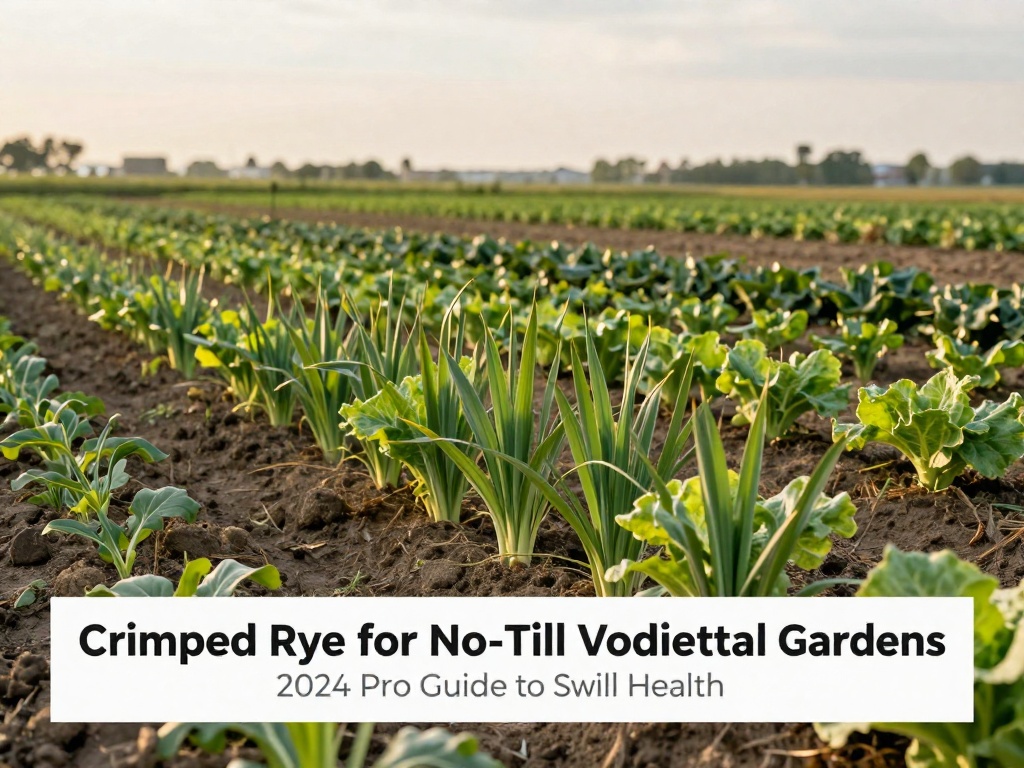
Crimped Rye for No-Till Vegetable Gardens: 2024 Pro Guide to Soil Health
Crimped rye for no-till vegetable gardens is one of the most effective regenerative cover crop strategies for small-scale home growers and commercial farmers alike. The USDA’s Sustainable Agriculture Research and Education (SARE) program reports that properly crimped rye reduces weed pressure by 90% in the first 6 weeks of vegetable growth, eliminating the need for synthetic herbicides or frequent disruptive tilling. This method works by rolling mature rye into a thick, weed-blocking mulch that decomposes slowly to feed soil microbes.
What Is Crimped Rye, and How Does It Fit No-Till Systems?
The Science Behind Successful Rye Crimping
Penn State Extension’s 2023 cover crop guidelines specify that rye must be crimped when it reaches 50% anthesis, or the early flowering stage, to prevent regrowth. At this stage, the rye’s lignin content is high enough that stems break cleanly when run over with a roller-crimper, a low-cost tool that flattens and crimps the cover crop into a continuous, water-retentive mat. This mat stays intact for 8-12 weeks, blocking sunlight from reaching weed seeds while locking moisture into the root zone.
Why No-Till Gardens Thrive With Crimped Rye
No-till gardening avoids disturbing the soil’s natural structure, which preserves beneficial fungi like mycorrhizae that help vegetable plants absorb critical nutrients. Tilling also releases carbon stored in soil, contributing to atmospheric emissions, while crimped rye adds organic matter to the top layer of soil without disruption. A 2022 study from the University of Illinois found that no-till gardens using crimped rye had 18% higher tomato yields than conventionally tilled gardens using straw mulch.
Step-by-Step Guide to Implement Crimped Rye in Your Garden
1. Plant Rye at the Optimal Fall Window
For most temperate USDA growing zones (3-8), plant winter rye 4-6 weeks before your first expected fall frost. This gives the rye enough time to establish a strong root system before winter dormancy. Use a seeding rate of 2-3 bushels per acre, or 1.5 cups of rye seed per 100 square feet for small home gardens. Broadcast the seed evenly and rake lightly to ensure reliable seed-to-soil contact.
2. Time Your Crimping for Maximum Weed Control
Wait until spring when the rye is 3-5 feet tall and has just begun to produce small pollen-producing flowers. This is the 50% anthesis stage that Penn State Extension identifies as the non-negotiable crimping window. Crimping too early will allow the rye to regrow and compete with your vegetable crops, while crimping too late leads to a mat that breaks down too quickly, losing its weed-blocking power. For small gardens, use a manual roller-crimper or even a heavy water-filled barrel to flatten the rye.
3. Plant Vegetables Directly Into the Crimped Mat
Within 3-5 days of crimping, you can transplant vegetable seedlings or direct-seed large-seeded crops like beans, corn, or squash directly through the mulch. The rye mat will retain moisture and block weeds, so you won’t need to add extra mulch or till the soil before planting. Avoid small-seeded crops like carrots or lettuce that can’t push through the thick rye mat, as these will fail to germinate reliably.
Core Benefits of Crimped Rye for No-Till Growers
Crimped rye offers a mix of immediate and long-term benefits for no-till vegetable gardeners, including:
- 90% reduction in common garden weeds like pigweed and crabgrass, per USDA SARE data
- Increased soil organic matter by 0.5% over 3 years, improving water retention by 20%
- Elimination of tilling labor, cutting garden maintenance time by 30% for small-scale growers
- Natural allelopathic properties that suppress weed seed germination without synthetic chemicals
Frequently Asked Questions About Crimped Rye for No-Till Gardens
Can I use crimped rye for a small home garden, not just a large farm?
Absolutely. Manual roller-crimpers designed for home gardens cost under $300, and plots as small as 1,000 square feet can benefit from crimped rye. Home gardeners can even use a heavy water-filled barrel to crimp small rye patches if they don’t want to invest in a dedicated tool.
Does crimped rye work for all types of vegetable crops?
Crimped rye works best for large transplants like tomatoes, peppers, eggplant, and squash, or large-seeded crops like corn and beans. Small-seeded crops like lettuce, carrots, and radishes can’t penetrate the thick rye mat, so you’ll need to plan your garden layout to separate these crops from the crimped rye zone.
How long does the crimped rye mulch last in the garden?
A properly crimped rye mat will last 8-12 weeks, which covers the main weed growth period for most summer vegetable crops. By the time the mat breaks down completely, your vegetables are large enough to outcompete any late-emerging weeds on their own, eliminating the need for additional weed control.
No comments