
Thyme Companion Planting in Shade: 10 Perfect Plant Pairs
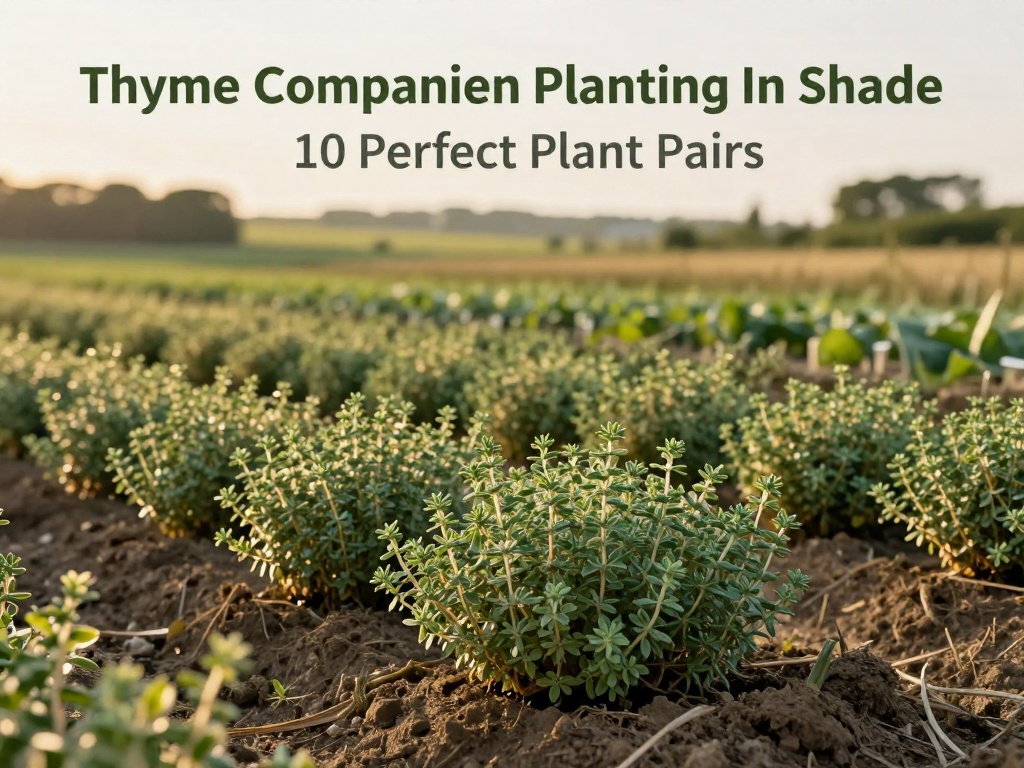
Thyme Companion Planting in Shade: 10 Perfect Plant Pairs
Growing thyme companion planting in shade opens up exciting possibilities for gardeners working with limited sunlight. While thyme typically thrives in full sun, many gardeners successfully cultivate this fragrant herb in partially shaded areas by selecting the right companion plants. This guide reveals which plants not only tolerate shade but actively benefit from growing alongside thyme.
Why Thyme Thrives in Partial Shade
Thyme demonstrates remarkable adaptability to partial shade conditions, especially when paired with compatible companions. The herb's shallow root system means it rarely competes aggressively for water or nutrients, making it an excellent neighbor for deeper-rooted plants. Additionally, thyme's natural pest-repelling properties—including its ability to deter cabbage moths and tomato hornworms—extend benefits to nearby plants.
Understanding the unique characteristics of shade-tolerant thyme varieties helps maximize your garden's potential. Common thyme, lemon thyme, and creeping thyme all show acceptable performance in dappled sunlight receiving just four to six hours of direct light daily.
Best Thyme Varieties for Shaded Gardens
- Common Thyme – Most adaptable variety tolerating varied light conditions
- Lemon Thyme – Offers citrus notes and handles partial shade well
- Creeping Thyme – Excellent ground cover for shaded borders
- Woolly Thyme – Visual appeal with silver-green foliage in low light
Top 10 Companion Plants for Thyme in Shade
1. Chives
Chives represent an ideal thyme companion plant for shade gardens, thriving in similar conditions with minimal sunlight requirements. Both herbs share comparable water needs and soil preferences, creating a harmonious growing environment. The sulfur compounds in chives naturally deter aphids, while thyme's pest-repelling properties protect chives from unwanted insects.
2. Parsley
Parsley flourishes alongside thyme in partially shaded locations, making this pairing perfect for herb gardens with limited sun exposure. The combination creates an attractive visual display while providing culinary convenience. Both plants benefit from thyme's ability to improve soil drainage and its pest-deterrent properties.
3. Mint
While mint requires containment due to its aggressive spreading nature, it grows exceptionally well with thyme in shade gardens. The combination produces intense aroma and flavor profiles useful for both cooking and medicinal applications. However, plant mint in separate containers buried in the soil to prevent root competition.
4. Lettuce and Leafy Greens
Leafy vegetables benefit tremendously from thyme's presence in shaded garden beds. Thyme's pest-repelling characteristics help protect lettuce from common garden threats while maximizing limited garden space. This companion pairing works exceptionally well in woodland gardens or beneath filtered tree canopies.
5. Strawberries
Strawberries tolerate partial shade and pair beautifully with thyme as a ground cover companion. The aromatic thyme helps deter slugs and other pests that commonly threaten strawberry plants. This combination works particularly well in raised beds or container gardens positioned in dappled shade.
6. Radishes
Radishes mature quickly and coexist peacefully with thyme in shade garden arrangements. The quick harvest cycle means radishes won't compete with thyme for extended periods, making this an efficient space-maximizing combination. Radishes also help break up soil, improving conditions for thyme's shallow roots.
7. Green Onions
Green onions thrive alongside thyme in partially shaded conditions, sharing similar cultural requirements. Both plants deter pests through their aromatic properties, creating a mutually beneficial growing relationship. This pairing proves especially valuable for gardeners focused on growing kitchen herbs in limited-light environments.
8. Sorrel
Sorrel's tolerance for shade makes it an excellent thyme companion, with both plants sharing preferences for well-drained soil and moderate moisture. The combination provides continuous harvests throughout growing seasons while maintaining visual garden appeal. Sorrel's tangy flavor complements thyme's earthy notes in culinary applications.
9. Chervil
Chervil, the delicate French herb, flourishes in partial shade and pairs exceptionally well with thyme. Both herbs appreciate similar growing conditions and harvest timelines, simplifying garden maintenance routines. This classic French herb combination offers chefs convenient access to complementary flavor profiles.
10. Spinach
Spinach thrives in shaded conditions and benefits from thyme's pest-deterrent properties, creating a productive garden partnership. The combination works beautifully in succession planting arrangements, with spinach providing quick harvests while thyme establishes itself as a permanent garden resident.
Plants to Avoid Near Thyme in Shade
Understanding which plants hinder thyme's growth proves equally important as knowing beneficial companions. Strong vines like morning glories compete aggressively for light and nutrients, struggling thyme in already challenging shade conditions. Similarly, water-hungry plants create overly moist environments that promote root rot in thyme's well-drained soil preferences.
Essential Tips for Growing Thyme in Shade
Successful thyme companion planting in shade requires attention to several key growing factors. Soil drainage becomes especially critical in shaded areas where evaporation occurs more slowly. Amend planting beds with coarse sand or perlite to ensure adequate drainage and prevent moisture-related issues.
Watering Considerations
Thyme in shade requires less frequent watering than sun-exposed specimens. Overwatering represents the most common cause of thyme failure in shaded gardens. Check soil moisture before watering and allow the top inch of soil to dry between waterings to maintain optimal growing conditions.
Soil Preparation Guidelines
Prepare shaded planting areas with attention to drainage and nutrient levels. Thyme prefers lean soil and actually performs better with reduced fertility in some cases. Avoid heavy applications of nitrogen fertilizers, which promote leggy growth and reduce the herb's intense flavor concentration.
Spacing for Success
Proper spacing proves vital when growing thyme in shade, as adequate air circulation prevents fungal issues more common in low-light conditions. Space thyme plants approximately twelve inches apart, allowing companion plants sufficient room for their growth habits while maintaining proper garden airflow.
Designing Your Shade Garden with Thyme
Creating an aesthetically pleasing shade garden featuring thyme as a focal point requires thoughtful design planning. Consider planting thyme along garden borders where it can spill over edges, softening pathways while releasing fragrance when brushed. Layer companion plants by height, positioning taller companions like chives and parsley behind lower-growing thyme varieties.
Incorporate thyme into woodland garden designs where filtered light creates ideal growing conditions. The herb's silver-green foliage provides visual contrast against darker shade-tolerant plants, adding dimension and interest to garden compositions throughout growing seasons.
Harvesting and Maintaining Thyme Companions
Regular harvesting encourages bushy thyme growth while preventing woodiness, and this principle applies regardless of companion plantings. Harvest thyme in the morning after dew evaporates but before heat intensifies, capturing maximum essential oil concentration for the best flavor and aroma profiles.
Companion plants like lettuce and radishes offer quick harvests that allow regular garden bed maintenance. Remove spent plants promptly to maintain airflow and prevent disease buildup in shaded garden areas where conditions favor pathogen development.
Seasonal Care for Thyme Companion Gardens
Spring planning sets the foundation for successful thyme companion planting, with soil preparation and companion selection completed before active growth begins. Summer maintenance focuses on appropriate watering, harvesting schedules, and monitoring for pest issues despite thyme's natural deterrent properties.
Fall brings opportunities for dividing established thyme plants and preparing new propagation stock for the following season. Winter protection varies by climate zone, though most thyme varieties prove surprisingly cold-tolerant when mulched appropriately in shaded garden locations.
Final Thoughts
Growing thyme with companion plants in shade gardens expands possibilities for gardeners working with challenging light conditions. The ten plant pairings outlined here demonstrate proven success combinations that enhance garden productivity while minimizing maintenance requirements. Start with one or two companion plantings and expand your shaded herb garden as confidence grows.
FAQ
Can thyme actually grow in full shade?
Thyme performs best with at least four to six hours of sunlight daily, making it suitable for partial shade rather than full shade conditions. In deeper shade, thyme becomes leggy and loses flavor intensity, though it may survive with compromised growth habits.
What herbs grow best with thyme in shaded areas?
Chives, parsley, mint, and chervil represent the best herb companions for thyme in shade gardens. These herbs share similar cultural requirements and complement thyme's growing preferences without excessive competition for light or nutrients.
How does thyme help companion plants?
Thyme repels destructive pests including cabbage moths, tomato hornworms, and various beetle species through its aromatic essential oils. This natural pest deterrence protects nearby vegetable and herb companions while reducing the need for chemical interventions in organic garden settings.
No comments