
Pumpkin Organic Gardening for Beginners: Complete 2024 Guide
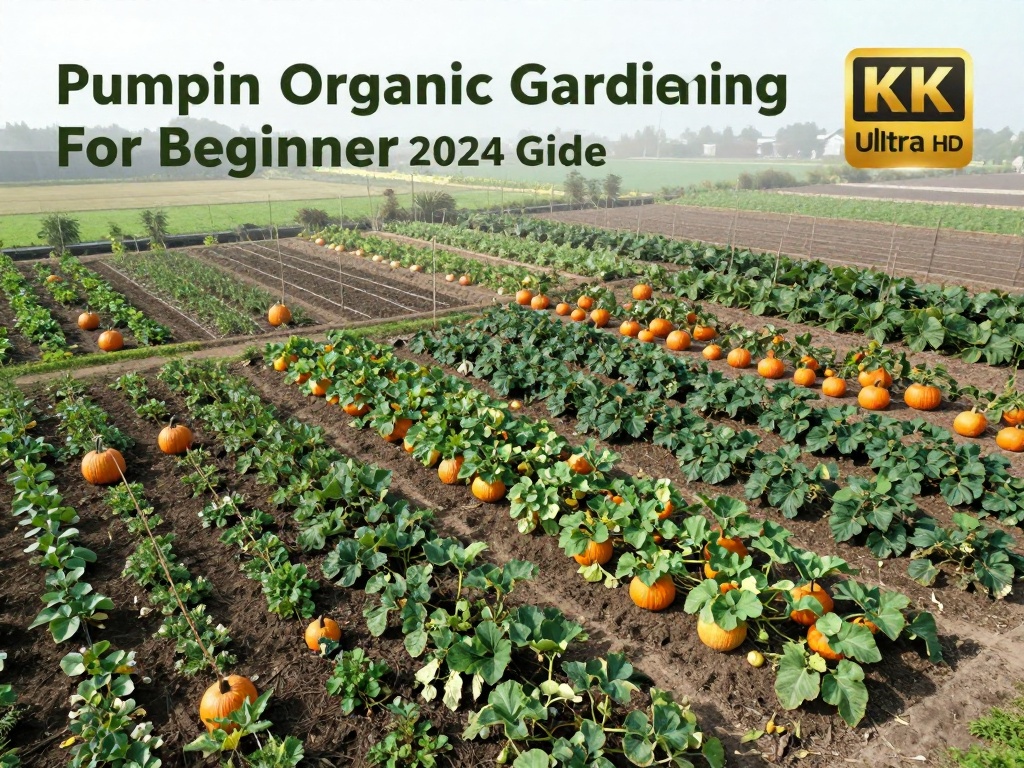
Pumpkin Organic Gardening for Beginners: Complete 2024 Guide
Growing pumpkins organically is one of the most rewarding experiences for new gardeners. Not only do you get to harvest magnificent, vibrant pumpkins for autumn displays and delicious recipes, but you also contribute to a healthier environment by avoiding synthetic pesticides and fertilizers. This comprehensive guide will walk you through every step of pumpkin organic gardening for beginners, ensuring your first harvest is a smashing success.
Why Choose Organic Pumpkin Gardening?
Organic pumpkin gardening eliminates exposure to harmful chemicals while nurturing soil health and supporting beneficial insects. When you grow pumpkins organically, you produce nutritious vegetables that taste better and last longer. Additionally, organic gardening practices improve biodiversity in your garden and reduce your environmental footprint.
Benefits of Going Organic with Pumpkins
Organic pumpkins contain higher levels of antioxidants and vitamins compared to conventionally grown varieties. The absence of chemical residues makes them safer for your family, especially children who love picking ripe pumpkins straight from the vine. Furthermore, organic gardening builds long-term soil fertility, creating a sustainable growing environment for future seasons.
Choosing the Right Pumpkin Variety
Selecting an appropriate pumpkin variety is crucial for beginners. Some varieties are more forgiving and adapt better to varying conditions, making them ideal for first-time growers.
Best Pumpkin Varieties for Beginners
- Jack Be Little: Compact plants producing small, decorative pumpkins perfect for table settings
- Small Sugar: Classic pie pumpkin with sweet flesh and excellent storage qualities
- Howden: Traditional carving pumpkin with uniform shape and strong stems
- Cinderella (Rouge Vif d'Etampes): French heirloom variety with stunning red-orange color
- Pioneer: Disease-resistant variety ideal for beginners learning pest management
Understanding Soil Requirements
Pumpkins thrive in rich, well-draining soil with a pH between 6.0 and 6.8. Before planting, conduct a soil test to determine your garden's current nutrient profile. Organic gardening relies on building soil biology, so focus on amending rather than simply fertilizing.
Preparing Your Garden Bed
Begin preparing your pumpkin patch at least two weeks before the last expected frost. Work 2-4 inches of aged compost into the top 6-8 inches of soil. This organic matter improves drainage in clay soils while enhancing water retention in sandy soils. Add a handful of bone meal to support strong root development and flower production.
Planting Your Pumpkin Seeds
Timing is everything when planting pumpkins. These warm-season crops require soil temperatures of at least 70°F (21°C) for optimal germination. In most regions, plant seeds directly outdoors 2-3 weeks after the last frost date.
Proper Spacing and Depth
Plant pumpkin seeds 1 inch deep in hills spaced 4-6 feet apart for bush varieties and 6-8 feet apart for vining types. Place 3-4 seeds per hill and thin to the strongest 2 seedlings once true leaves develop. Wide spacing ensures adequate air circulation, reducing fungal disease risks.
Starting Seeds Indoors
For northern gardeners with short growing seasons, start seeds indoors 2-3 weeks before transplanting. Use biodegradable pots to minimize root disturbance during transplantation. Hardening off seedlings gradually over 7-10 days prevents transplant shock and ensures stronger plants.
Essential Care for Thriving Pumpkins
Organic pumpkin gardening requires consistent attention throughout the growing season. Focus on maintaining soil moisture, providing adequate nutrition, and monitoring plant health regularly.
Watering Techniques
Pumpkins need 1-2 inches of water weekly, delivered at soil level to prevent leaf diseases. Water deeply in the morning, allowing foliage to dry before evening. Mulching with organic materials like straw or wood chips retains moisture, suppresses weeds, and gradually enriches the soil as it decomposes.
Feeding Your Plants Organically
Side-dress plants with compost or well-aged manure when vines begin to run. Fish emulsion and seaweed extract provide quick-acting nutrition without burning delicate roots. For long-term fertility, plant companion crops like beans or peas to fix nitrogen naturally in your pumpkin patch.
Natural Pest and Disease Management
Organic gardening embraces prevention over treatment. By fostering a healthy growing environment, you naturally reduce pest and disease pressure on your pumpkin plants.
Common Pumpkin Pests and Solutions
- Squash bugs: Hand-pick eggs from leaf undersides; use row covers until flowering
- Cucumber beetles: Yellow sticky traps; neem oil spray applications
- Squash vine borers: Wrap stems with aluminum foil; inject Bt if infestation occurs
- Aphids: Strong water spray; introduce ladybugs as predators
Preventing Common Diseases
Proper spacing, adequate air circulation, and watering at soil level prevent most pumpkin diseases. Rotate crops annually, avoiding planting pumpkins or other cucurbits in the same location for 3-4 years. Choose disease-resistant varieties when available, and remove infected plant material immediately to prevent spread.
Pollination and Fruit Development
Understanding pumpkin pollination is essential for successful fruit set. Pumpkins produce both male and female flowers, requiring insect pollination for fruit development.
Hand Pollination for Better Results
For guaranteed pollination, transfer pollen from male flowers to female flowers using a small paintbrush or cotton swab. Male flowers appear first on long stems, while female flowers have a small fruit at their base. Perform hand pollination in the morning when flowers are fully open for best results.
Harvesting Your Organic Pumpkins
Proper harvesting ensures your pumpkins store well and maintain their organic integrity. Most varieties mature 90-120 days after planting, when rinds are fully colored and resist fingernail scratches.
Signs of Ready-to-Harvest Pumpkins
- Rind has developed full, uniform color
- Skin is hard and glossy, not matte
- Stem has begun to dry and turn woody
- The pumpkin sounds hollow when tapped
Cut pumpkins from vines with 3-4 inches of stem attached. Cure them in sunlight for 10-14 days to harden the skin, then store in a cool, dry location between 50-55°F (10-13°C) for up to 3-4 months.
Tips for First-Year Success
Starting your pumpkin organic gardening journey requires patience and persistence. These additional tips will help you avoid common beginner mistakes and maximize your harvest.
- Start small with just 2-3 plants to learn the basics before scaling up
- Keep a garden journal to track planting dates, weather conditions, and observations
- Accept some crop loss as normal, especially in your first season
- Connect with local gardening communities for region-specific advice
- Save seeds from your best pumpkins for next year's planting
FAQ
When is the best time to plant pumpkin seeds for organic gardening?
The optimal planting time is 2-3 weeks after your last expected frost when soil temperatures reach at least 70°F (21°C). In cooler climates, starting seeds indoors 2-3 weeks early can extend your growing season significantly.
How much space do pumpkins need when grown organically?
Bush varieties require 4-6 feet between plants, while vining types need 6-8 feet or more. Some compact varieties can even grow in large containers. Adequate spacing prevents disease and ensures each plant receives sufficient nutrients.
What organic fertilizers work best for pumpkin growth?
Compost, aged manure, fish emulsion, and seaweed extract provide excellent nutrition for organic pumpkins. Apply a thick compost mulch around plants when vines begin to run, and supplement with liquid fertilizers if plants show signs of nutrient deficiency.
How do I prevent pests without using chemical pesticides?
Prevention is key in organic gardening. Use floating row covers to exclude insects, encourage beneficial predators like ladybugs and lacewings, practice crop rotation, and remove pests manually when possible. Neem oil and insecticidal soaps are effective organic treatments for severe infestations.
Embarking on your pumpkin organic gardening journey opens doors to sustainable practices, delicious harvests, and the satisfaction of growing food naturally. Start implementing these techniques today, and enjoy the bountiful rewards of your chemical-free pumpkin patch.
No comments