
Urban Rooftop Garden Design: 10 Expert Tips for 2026
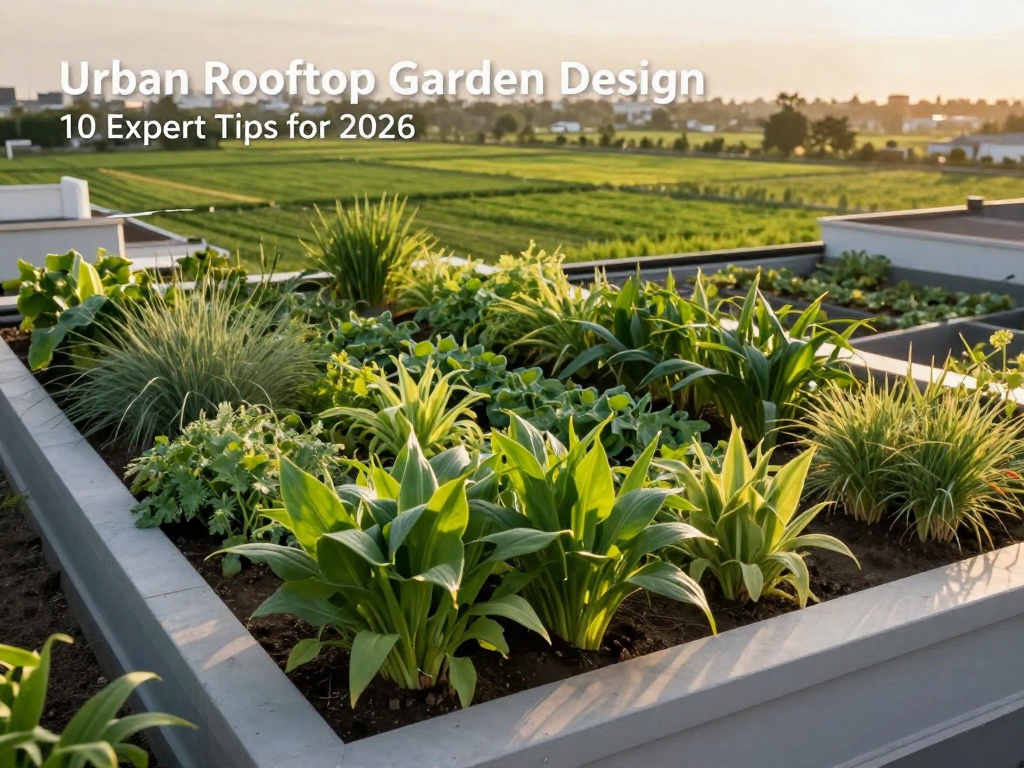
Urban Rooftop Garden Design: 10 Expert Tips for 2026
Urban rooftop garden design transforms overlooked city spaces into thriving green sanctuaries. As cities grow denser and arable land becomes scarce, rooftop gardens offer a practical solution for growing food, improving air quality, and creating sustainable urban environments. This comprehensive guide provides expert strategies for designing productive rooftop gardens that maximize limited space while thriving in challenging conditions.
Why Urban Rooftop Gardens Matter
Rooftop gardens serve multiple critical functions in modern cities. They reduce urban heat island effects, lower building energy costs, manage stormwater runoff, and provide fresh local produce. Additionally, these elevated gardens connect city dwellers with nature, improving mental health and community cohesion.
Environmental and Social Benefits
Studies show rooftop gardens can reduce building cooling costs by up to 25%. They also capture rainwater, decreasing strain on municipal drainage systems. Beyond environmental impact, community rooftop gardens foster social connections and provide educational opportunities for urban residents.
Legal and Regulatory Considerations
Before beginning your urban rooftop garden design project, consult local building codes and obtain necessary permits. Many cities now offer incentives for green roof installations, including tax breaks and streamlined approval processes. Structural engineers must verify your roof can support the additional weight of soil, plants, and water.
Assessing Your Rooftop Space
Successful urban rooftop garden design begins with thorough space evaluation. Understanding your site's limitations and opportunities shapes every subsequent design decision.
Structural Load Capacity
Calculate the maximum weight your roof can support, including saturated soil, containers, and plant material. Lightweight growing media and container systems work best for rooftop applications. Consider consulting a structural engineer to ensure safety and compliance with building regulations.
Sun Exposure Analysis
Track sunlight patterns throughout the day and across seasons. Most vegetables require 6-8 hours of direct sunlight, while leafy greens tolerate partial shade. Southern exposures typically provide optimal growing conditions, while north-facing rooftops may require shade-tolerant plant selection.
Wind and Climate Considerations
Rooftops experience heightened wind exposure that can damage plants and dry soil rapidly. Install windbreaks using trellises, screens, or taller plantings. Consider microclimates created by surrounding buildings that may provide shelter or create problematic shadows.
10 Essential Rooftop Garden Design Strategies
1. Start with Lightweight Growing Systems
Traditional soil weighs approximately 100 pounds per cubic foot when saturated. Opt for soilless mixes containing peat moss, perlite, and vermiculite that reduce weight by 50-70%. Raised beds lined with geotextile fabric provide excellent drainage while minimizing structural stress.
2. Implement Efficient Irrigation
Rooftop gardens require frequent watering due to increased wind and sun exposure. Drip irrigation systems with timers deliver water directly to plant roots, reducing waste and labor. Consider rainwater harvesting systems to collect and store precipitation for dry periods.
3. Choose Appropriate Containers
Select containers with adequate drainage holes and insulation properties. Light-colored containers reduce heat absorption, protecting delicate root systems. Fabric grow bags offer excellent drainage and air pruning benefits while remaining portable and lightweight.
4. Maximize Vertical Space
Install trellises, vertical planters, and hanging baskets to triple your productive growing area. vining crops like tomatoes, beans, and cucumbers thrive on vertical supports. Living wall systems suit herbs and salad greens perfectly in compact urban settings.
5. Select Climate-Appropriate Plants
Choose compact vegetable varieties bred specifically for container and rooftop cultivation. Heat-tolerant tomatoes, dwarf fruit trees, and drought-resistant herbs perform well in rooftop conditions. Native plant species often adapt better to local climate extremes.
6. Create Microclimates
Group plants with similar water and sun requirements together. Use larger containers as thermal mass to moderate temperature fluctuations. Strategic placement of taller plants provides shade for heat-sensitive species during peak afternoon hours.
7. Add Companion Planting
Maximize diversity by combining complementary plants that deter pests and improve growth. Marigolds repel harmful insects while attracting pollinators. Basil planted near tomatoes improves flavor and repels aphids and mosquitoes.
8. Install Proper Drainage
Prevent water damage by ensuring adequate slope toward drains. Use gravel or drainage mats beneath containers to facilitate water flow. Never block existing roof drains, and consider installing additional drainage if your design covers large areas.
9. Plan for Four-Season Growing
Extend your harvest season using cold frames, row covers, and portable greenhouses. Cool-season crops like kale, spinach, and carrots tolerate light frosts. Fall planting of garlic and perennial herbs provides early spring harvests.
10. Incorporate Seating and Access
Designate areas for relaxation and maintenance activities. Include pathways wide enough for wheelbarrows and supplies. Accessible design encourages regular care and enjoyment of your urban rooftop garden space.
Building Your Rooftop Garden Budget
Costs vary significantly based on size, complexity, and material choices. Basic container gardens start around $500, while comprehensive rooftop farm installations can exceed $50,000. Prioritize essential elements like drainage, irrigation, and structural assessment before cosmetic features.
Cost-Saving Strategies
Start small and expand gradually as you gain experience. Source materials from salvage yards and recycling centers. Build raised beds using affordable lumber and concrete blocks. Grow plants from seeds rather than purchasing expensive transplants.
Common Rooftop Garden Challenges
Urban rooftop garden design presents unique challenges requiring proactive solutions. Wind damage, water scarcity, and pest management demand ongoing attention. Understanding potential problems helps you develop effective countermeasures.
Pest and Disease Management
Rooftop gardens experience fewer soil-borne pest problems than ground-level gardens. However, flying insects and birds may still access your plants. Use floating row covers during vulnerable growth stages and encourage beneficial insects through diverse plantings.
Maintaining Your Rooftop Garden
Regular maintenance ensures long-term success of your rooftop garden. Establish weekly routines for watering, fertilizing, and pest monitoring. Seasonal tasks include soil amendment, crop rotation, and equipment maintenance.
FAQ
How much weight can a rooftop garden support?
Most commercial rooftops support 25-100 pounds per square foot. Residential roofs typically handle 20-50 pounds per square foot. Lightweight container systems with soilless media usually weigh 15-30 pounds per square foot when saturated.
What vegetables grow best on rooftop gardens?
Tomatoes, peppers, cucumbers, beans, lettuce, spinach, kale, herbs, and radishes thrive in rooftop conditions. Compact bush varieties perform better than sprawling types. Leafy greens and heat-loving crops typically succeed with adequate sun exposure.
Do I need permission to create a rooftop garden?
Most jurisdictions require building permits for rooftop structures and significant weight additions. Always consult your building management, local zoning authorities, and obtain structural engineer approval before construction begins.
How do I protect rooftop plants from wind damage?
Install windbreaks using lattice panels, bamboo screens, or dense plantings. Position taller plants on the windward perimeter to shield shorter crops. Secure lightweight containers and remove loose items during storms.
What is the best irrigation system for rooftop gardens?
Drip irrigation with timer controls provides the most efficient water delivery for rooftop gardens. Self-watering containers with reservoir systems reduce maintenance frequency. Olla clay pots buried in containers offer passive irrigation ideal for busy gardeners.
Urban rooftop garden design offers remarkable opportunities to transform concrete spaces into productive, sustainable growing areas. By following these expert strategies, you can create a thriving rooftop garden that provides fresh produce, environmental benefits, and personal enjoyment for years to come.
No comments