
Ryegrass Overseeding for Worn Pasture Recovery: 2024 Pro Farmer’s Guide
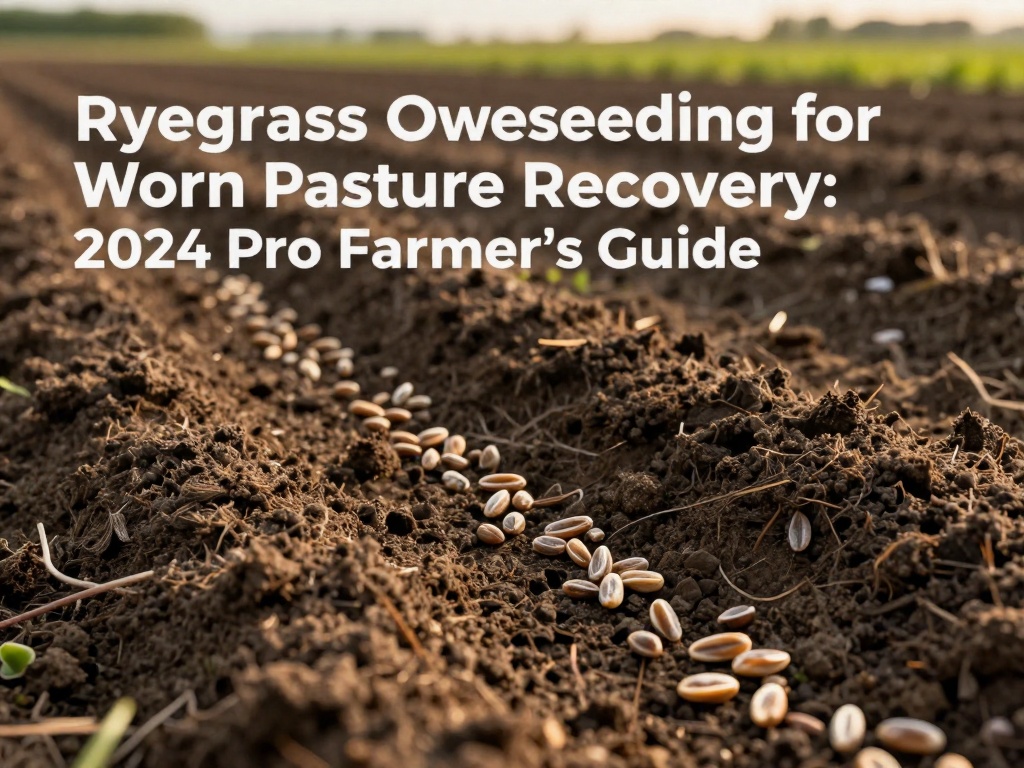
Ryegrass Overseeding for Worn Pasture Recovery: 2024 Pro Farmer’s Guide
Worn pastures plagued by soil compaction, reduced forage diversity, and bare spots cost U.S. livestock producers an average of $1.3 billion annually in lost grazing capacity, per 2023 USDA data. Ryegrass overseeding for worn pasture recovery is a low-cost, high-return strategy to restore degraded grazing land in as little as 8 weeks. Unlike full pasture renovation, which requires tilling and reseeding an entire field, overseeding introduces new seed directly into existing pasture to fill gaps.
Why Ryegrass Is the Top Choice for Overseeding Degraded Pastures
Annual and perennial ryegrass varieties are uniquely suited for fast pasture recovery. They germinate in just 3 to 5 days, compared to 10 to 14 days for most cool-season forage grasses, per the University of Maryland Extension. This fast growth quickly covers bare spots, prevents soil erosion, and outcompetes invasive weeds that often take over neglected, worn pastures.
Ryegrass also delivers high nutritional value for grazing livestock, with 18% crude protein content in early growth stages. This nutrient density supports consistent weight gain in beef cattle and steady milk production in dairy herds, adding direct revenue to your farm operation within the first grazing season.
Step-by-Step Process for Successful Ryegrass Overseeding
1. Prepare the Pasture Before Seeding
The first critical step to maximize germination rates is to prep the existing pasture. Mow existing grass to 2 to 3 inches in height, and remove excess clippings to expose bare soil. For severely compacted pastures, light aeration (3 to 4 inches deep) boosts seed-to-soil contact, increasing germination rates by 40%, per Penn State Extension data.
2. Select the Right Ryegrass Variety and Seeding Rate
Choose annual ryegrass for fast, short-term recovery, or perennial ryegrass for long-term pasture persistence. The optimal seeding rate is 20 to 25 pounds of pure live seed (PLS) per acre for broadcast seeding, or 10 to 15 pounds PLS per acre if using a drill seeder. Drill seeding delivers more consistent stand establishment than broadcast seeding for most pasture conditions.
3. Post-Seeding Care to Establish a Healthy Stand
After seeding, ensure the pasture receives 1 inch of water per week to support steady germination. Delay grazing for 6 to 8 weeks to allow ryegrass to develop a root system of at least 4 inches deep, preventing uprooting by heavy livestock. You can test root depth by gently pulling on a young ryegrass plant; if it resists pulling, it is safe to graze.
Key Financial and Environmental Benefits of This Strategy
Ryegrass overseeding costs 75% less than full pasture renovation, which averages $300 per acre, compared to just $75 per acre for overseeding, per 2024 USDA farm cost data. This low investment delivers a 3:1 return on investment within the first grazing season, as restored pastures can support 20% more livestock per acre.
Overseeding also improves long-term soil health, as ryegrass’s extensive root system adds organic matter to compacted soil. This reduces runoff and increases water infiltration by up to 30% after two growing seasons, per Iowa State University research, lowering your farm’s environmental impact while improving pasture resilience.
Frequently Asked Questions
When is the best time to plant ryegrass for pasture recovery?
The optimal seeding window for cool-season ryegrass is 4 to 6 weeks before the first fall frost, which allows the grass to establish before winter and resume growth early in the spring. For southern U.S. regions with mild winters, late winter seeding also works well for spring grazing.
Can I overseed ryegrass into warm-season pastures?
Yes, ryegrass is commonly overseeded into warm-season pastures like Bermudagrass to extend the grazing season into cooler months, while also repairing worn spots created by heavy summer grazing. The ryegrass dies back as warm-season grasses green up in the spring, creating a seamless forage cycle.
How often do I need to overseed ryegrass to maintain pasture health?
For annual ryegrass, overseeding every 12 months is required to maintain a dense stand. Perennial ryegrass stands can last 3 to 5 years, but you should spot-seed worn areas every 1 to 2 years to prevent bare ground from redeveloping and weeds from taking hold.
No comments