
Drip Irrigation Scheduling for Greenhouse Tomatoes: 2024 Pro Guide
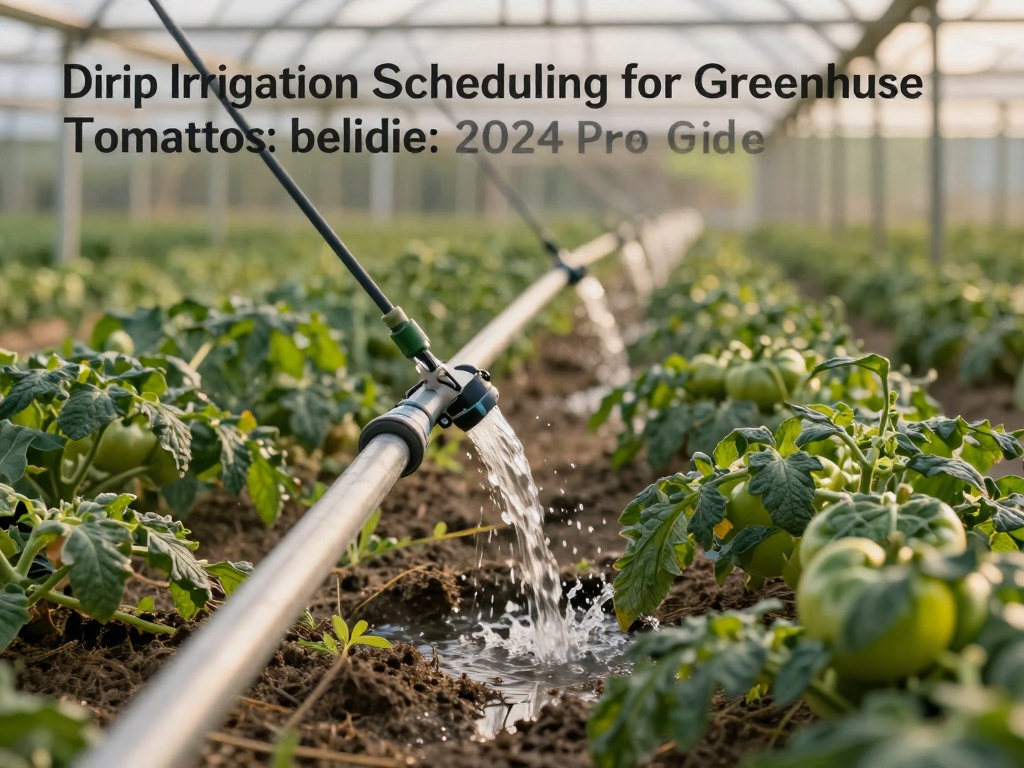
Drip Irrigation Scheduling for Greenhouse Tomatoes: 2024 Pro Guide
Drip irrigation scheduling for greenhouse tomatoes is one of the most impactful practices to maximize yield and quality while reducing input costs. Unlike field-grown crops, greenhouse tomatoes rely entirely on controlled water delivery, so misaligned scheduling can lead to root rot, blossom end rot, or stunted fruit growth. A 2023 study from the University of Florida found that optimized drip scheduling increased tomato yields by 18% while cutting water use by 27% compared to unplanned irrigation.
Core Factors That Shape Your Drip Irrigation Schedule
Every greenhouse has unique conditions, so a one-size-fits-all schedule rarely works. Use these core factors to build a baseline that works for your operation.
Growth Stage of Tomato Plants
Tomatoes have distinct water needs across their 12-16 week growing cycle. Seedlings require 0.5-1 liters of water per plant daily to establish root systems, while fruiting plants need 2-4 liters per day to support fruit expansion. Overwatering young seedlings is the top cause of damping-off disease, which kills up to 30% of young transplants annually, per the American Phytopathological Society.
Greenhouse Environmental Conditions
Temperature, humidity, and light levels directly impact how much water your tomato plants transpire, or lose through their leaves. On hot, sunny summer days, greenhouse temperatures can climb above 90°F, increasing transpiration rates by 50% compared to cool, cloudy winter days. Installing low-cost environmental sensors to track conditions can automatically adjust your drip schedule to match real-time plant needs.
Soil Type and Water Retention
Common greenhouse growing mediums, from coco coir to peat moss to perlite mixes, hold water for vastly different periods. Coco coir retains water for 2-3 days, while sandy perlite mixes drain in less than 24 hours, requiring more frequent irrigation. Test your soil’s moisture level weekly with a tensiometer to avoid over or under watering, even if you follow a baseline schedule.
Step-by-Step Drip Irrigation Schedule Template
Use this tested template as a starting point, then adjust it to match your greenhouse’s specific conditions. This schedule works for most mid-sized commercial and hobby greenhouse operations.
Week 1-4 (Seedling Stage)
For the first month after transplanting, irrigate for 10-15 minutes twice daily, early in the morning and mid-afternoon. Deliver only 0.5 liters of water per plant to keep the root zone moist but not saturated. Avoid evening irrigation, as excess moisture on cold roots invites fungal growth.
Week 5-8 (Vegetative Growth Stage)
Once plants reach 2 feet tall and begin to vine, increase irrigation to 20-25 minutes twice daily, delivering 1.5 liters of water per plant. Add a water-soluble nitrogen fertilizer to your drip line once a week to support leaf and stem growth during this high-energy phase.
Week 9 to Final Harvest (Fruiting Stage)
As the first tomatoes set and begin to swell, ramp up irrigation to 30 minutes three times daily, delivering 3-4 liters of water per plant. This stage is the most critical for avoiding blossom end rot, a calcium deficiency triggered by inconsistent water delivery that ruins up to 20% of unoptimized greenhouse tomato crops. Maintain consistent moisture levels to ensure calcium moves from the soil to developing fruit.
Common Mistakes to Avoid
Even well-intentioned scheduling can fail if you fall prey to these common, costly errors.
Irrigating At The Wrong Time Of Day
Watering in the evening leaves excess moisture in the root zone overnight, increasing the risk of root rot and fungal blight. Always schedule the majority of your irrigation between 6 AM and 2 PM, when plants can absorb and use water most efficiently.
Ignoring Real-Time Soil Moisture Data
Relying solely on a fixed schedule instead of live soil moisture readings is a mistake that wastes water and reduces yields. A $50 soil moisture sensor can pay for itself in one growing season through reduced water and fertilizer costs.
Overwatering During Cool, Cloudy Periods
Many growers stick to the same schedule year-round, even when winter light levels and temperatures drop by 30% or more. Cut irrigation frequency by 50% during cool, cloudy weeks to match reduced plant water needs.
Optimizing drip irrigation scheduling for greenhouse tomatoes is a low-effort, high-reward practice that pays off throughout every growing season. By aligning your schedule with plant needs, environmental conditions, and real-time soil data, you can grow healthier, more productive tomatoes while cutting input costs.
Frequently Asked Questions
How often should I run drip irrigation for greenhouse tomatoes?
Frequency depends on growth stage and conditions: seedlings need 2 short cycles daily, vegetative plants need 2 longer cycles, and fruiting plants need 3 cycles daily, adjusted for local weather and soil type.
Can drip scheduling prevent blossom end rot in greenhouse tomatoes?
Yes, consistent drip irrigation maintains steady soil moisture that allows plants to absorb calcium, the nutrient that prevents blossom end rot. Inconsistent watering is the leading cause of this common fruit defect.
Is automated drip scheduling worth the investment for small greenhouses?
Even small 1,000-square-foot greenhouses see a 15% average return on investment for automated drip systems within one growing season, thanks to higher yields, lower water costs, and reduced labor time spent watering.
No comments