
Orchid Vertical Gardening Indoors: 10 Stunning Methods for 2026
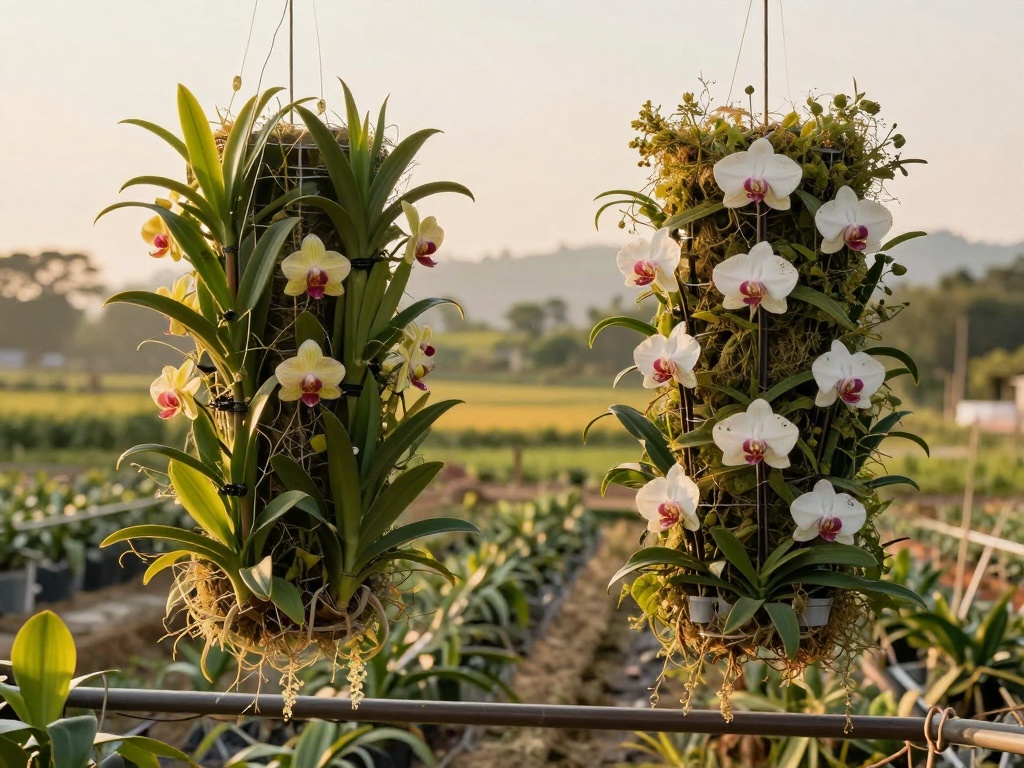
Orchid Vertical Gardening Indoors: 10 Stunning Methods for 2026
Orchid vertical gardening indoors transforms limited spaces into breathtaking living displays. Growing orchids upward rather than outward unlocks creative possibilities for apartments, offices, and homes with minimal floor space. This comprehensive guide reveals professional techniques used by orchid specialists to cultivate thriving vertical gardens that produce spectacular blooms year after year.
Why Choose Vertical Gardening for Orchids?
Vertical orchid gardens solve common indoor gardening challenges while offering unique aesthetic benefits. Wall-mounted displays free up valuable桌面 surface while creating living art installations. Orchids naturally adapted to growing on trees in rainforests thrive in vertical environments when properly implemented.
Space Optimization Benefits
Indoor gardeners with limited square footage achieve impressive collections through vertical positioning. A single wall can support dozens of orchid plants that would otherwise require an entire桌面 shelf. This approach works beautifully in studios, condos, and rooms where floor space remains at a premium.
Improved Air Circulation
Vertical arrangements naturally enhance airflow around orchid foliage and roots. Good air circulation prevents fungal diseases, strengthens stems, and encourages robust root development. Many orchid species respond particularly well to the increased ventilation vertical positioning provides.
Enhanced Light Exposure
Elevating orchids on vertical structures allows customization of light exposure for each plant. Shade-loving varieties occupy lower positions while light-hungry species occupy higher spots. This tiered approach mimics natural forest canopy conditions where orchids grow at various heights.
10 Proven Vertical Gardening Methods for Indoor Orchids
1. Wall-Mounted Wooden Plaques
Natural wood plaques replicate the bark orchids naturally grow upon in the wild. Mount these 15-20 centimeters wide boards vertically on any wall with adequate light. Attach orchids using gentle ties that secure without damaging delicate roots. Redwood, cedar, and cypress resist decay while providing excellent grip for orchid roots.
2. Modular Pocket Planters
Felt or fabric pocket planters create flexible vertical displays accommodating multiple orchid species. These systems hang from hooks or rails and allow repositioning as lighting needs change seasonally. Choose pockets at least 10 centimeters deep to support adequate growing medium for orchid root systems.
3. Repurposed Ladder Shelving
A wooden stepladder transformed into orchid shelving adds rustic charm while maximizing growing space. Position the ladder near bright windows and arrange orchids on each rung according to their light requirements. Upper rungs suit Phalaenopsis and Cattleya while lower positions accommodate Paphiopedilum species.
4. Glass Terrarium Walls
Enclosed glass terrarium displays maintain humidity levels perfect for moisture-loving orchids. These structures work exceptionally well for miniature species including Bulbophyllum and some Masdevallia varieties. Install LED grow lights inside for consistent illumination independent of window placement.
5. Macramé Hanging Planters
Bohemian-style macramé holders suspended from ceiling hooks create floating orchid displays. Select breathable cotton or nylon rope that drains well after watering. These installations suit trailing orchid species like certain Dendrobium varieties that cascade beautifully when grown vertically.
6. Magnetic Vertical Gardens
Modern magnetic systems use strong neodymium magnets to hold lightweight containers on metal wall panels. This innovative approach allows complete flexibility in arrangement and relocation. Ensure containers include adequate drainage since water cannot escape through traditional pot bottoms.
7. Cork Bark Mounts
Cork bark provides an excellent naturalistic surface for orchid attachment and growth. These mounts attach directly to walls using corrosion-resistant screws placed in stud locations. Orchids mounted on cork require more frequent watering but reward gardeners with exceptionally natural appearances.
8. Pegboard Vertical Systems
Pegboard panels offer unlimited configuration possibilities for orchid displays. Hooks and brackets insert at any position creating custom shelving layouts. This system proves ideal for gardeners who frequently rearrange collections or display orchids in temporary locations.
9. Floating Shelf Clusters
Multiple floating shelves arranged asymmetrically across a wall create dynamic vertical gardens. Stagger shelves at varying heights and distances for visual interest while ensuring each orchid receives appropriate light. Maintain at least 30 centimeters between shelves for comfortable watering access.
10. Vertical Tower Planters
Freestanding vertical towers accommodate numerous orchids in a compact footprint. These cylindrical structures work well in corners or beside doorways where floor space remains limited. Choose towers with individual planting pockets allowing different orchid species per level.
Essential Care Guidelines for Vertical Orchid Gardens
Watering Techniques
Vertical orchids require modified watering approaches compared to traditional桌面 cultivation. Self-watering spikes inserted into mounting medium provide consistent moisture for wall-mounted specimens. Alternatively, remove vertical plants for soaking every 7-10 days depending on humidity levels and orchid species.
Humidity Management
Indoor environments often fall below the 50-70% humidity range orchids prefer. Vertical gardens benefit from nearby humidifiers or pebble trays filled with water beneath mounted plants. Grouping multiple orchids together creates beneficial microclimate humidity through collective transpiration.
Fertilization Schedule
Orchids grown vertically on mounts receive fewer nutrients than potted specimens. Apply diluted fertilizer weekly during active growth periods using quarter-strength balanced formulations. Reduce feeding to monthly intervals during dormant seasons when orchid growth naturally slows.
Light Requirements by Position
Assess available natural light before installing vertical orchid displays. South-facing walls receive the brightest light suitable for Cattleya and Vanda orchids. East and west orientations accommodate medium-light species including many Phalaenopsis varieties. North-facing installations work for low-light tolerant species or require supplemental grow lighting.
Best Orchid Species for Vertical Indoor Gardening
Not all orchids adapt equally well to vertical cultivation. Selecting appropriate species determines long-term success in vertical arrangements. Consider growth habit, light requirements, and humidity preferences when building your vertical collection.
Phalaenopsis (Moth Orchids)
Phalaenopsis species rank among the most forgiving orchids for vertical indoor gardening. Their flexible roots adhere readily to mounting surfaces while tolerating moderate light conditions. These orchids produce stunning arching flower sprays that display beautifully against vertical backgrounds.
Dendrobium Species
Many Dendrobium varieties thrive in vertical arrangements due to their natural epiphytic growth habit. Cane-type Dendrobiums attach easily to bark mounts and produce prolific blooms in bright conditions. Some species feature delightful fragrances that perfume entire rooms when grown at nose height.
Paphiopedilum (Slipper Orchids)
Terrestrial slipper orchids adapt well to vertical pocket planters filled with well-draining medium. These shade-tolerant species perform excellently in lower-light vertical positions. Their unique pouch-shaped flowers add architectural interest to any vertical arrangement.
Oncidium Alliance
Oncidium and related genera produce spectacular cascading sprays of small flowers perfect for elevated display. These orchids appreciate good air circulation that vertical positioning naturally provides. Dancing lady orchids brighten any wall installation with their cheerful yellow and brown blooms.
Creating Your First Vertical Orchid Display
Planning and Preparation
Begin by assessing available wall space and natural light conditions in your intended display area. Sketch potential arrangements considering plant heights at maturity and seasonal light angle changes. Select a focal point for your display such as above a sofa, along a staircase, or in an entryway.
Materials and Tools Needed
Gather mounting materials including wood plaques, cork bark, or hanging planters before purchasing orchids. Acquire appropriate growing media such as sphagnum moss, fir bark, or mounted arrangements. Collect hanging hardware rated for substantial weight since vertical gardens become heavier when watered.
Installation Best Practices
Install wall mounting hardware directly into studs for secure attachment supporting saturated weight. Level all mounting surfaces before placing plants to ensure proper drainage angles. Position plants with growth directions facing outward from the wall for natural appearance and optimal light access.
Common Mistakes to Avoid
Understanding typical vertical gardening errors helps prevent disappointing results. New vertical orchid gardeners often struggle with watering consistency, inadequate light, and insufficient humidity control.
Overwatering causes more vertical orchid failures than any other factor. Mounted orchids dry faster than potted specimens and may need daily misting during warm months. Conversely, some gardeners underwater believing mounted plants require less attention than conventional pot culture.
Insufficient light ranks second among common vertical gardening challenges. Wall positions far from windows doom orchids to poor growth and absent flowering. Supplement natural light with quality LED grow lights if your chosen vertical location lacks adequate illumination.
Seasonal Maintenance for Vertical Orchid Gardens
Year-round care ensures continued health and flowering from your vertical orchid display. Adjust practices seasonally to match changing environmental conditions indoors.
Summer months require increased watering frequency and humidity enhancement. Move light-sensitive species away from hot windows receiving direct afternoon sun. Monitor for pest infestations including spider mites that thrive in warm, dry conditions.
Winter demands reduced watering and cessation of fertilization during natural dormancy periods. Lower indoor humidity during heating season necessitates more frequent misting or humidifier use. Check mounting hardware stability as seasonal temperature changes may affect wall surfaces.
FAQ
Can all orchid species be grown vertically indoors?
Not all orchid species adapt equally well to vertical gardening. Epiphytic orchids with aerial root systems like Phalaenopsis, Dendrobium, and Cattleya work best for vertical mounts. Terrestrial species requiring consistent moisture perform better in vertical pocket planters with moisture-retaining media.
How often should I water vertically mounted orchids?
Vertical orchids typically require watering every 3-5 days depending on humidity and air circulation levels. Mounted specimens dry faster than potted plants due to increased airflow around roots. Check mounting media daily during warm months and water when nearly dry to the touch.
What is the best way to attach orchids to vertical surfaces?
Use soft plant ties, fishing line, or cotton twine to secure orchids to mounts without damaging roots. Position orchid rhizomes against mounting surfaces and attach at multiple points for stability. Allow adequate time for roots to naturally adhere before removing temporary ties.
How do I ensure proper drainage for vertical orchid installations?
Mount orchids at slight angles allowing excess water to run off rather than pool in crowns. Install waterproof backing behind mounting surfaces to protect walls from moisture damage. Consider removable mounting systems allowing transport to a sink for thorough watering.
No comments