
Tomatoes Trimming in Small Spaces: 10 Essential Tips for 2026
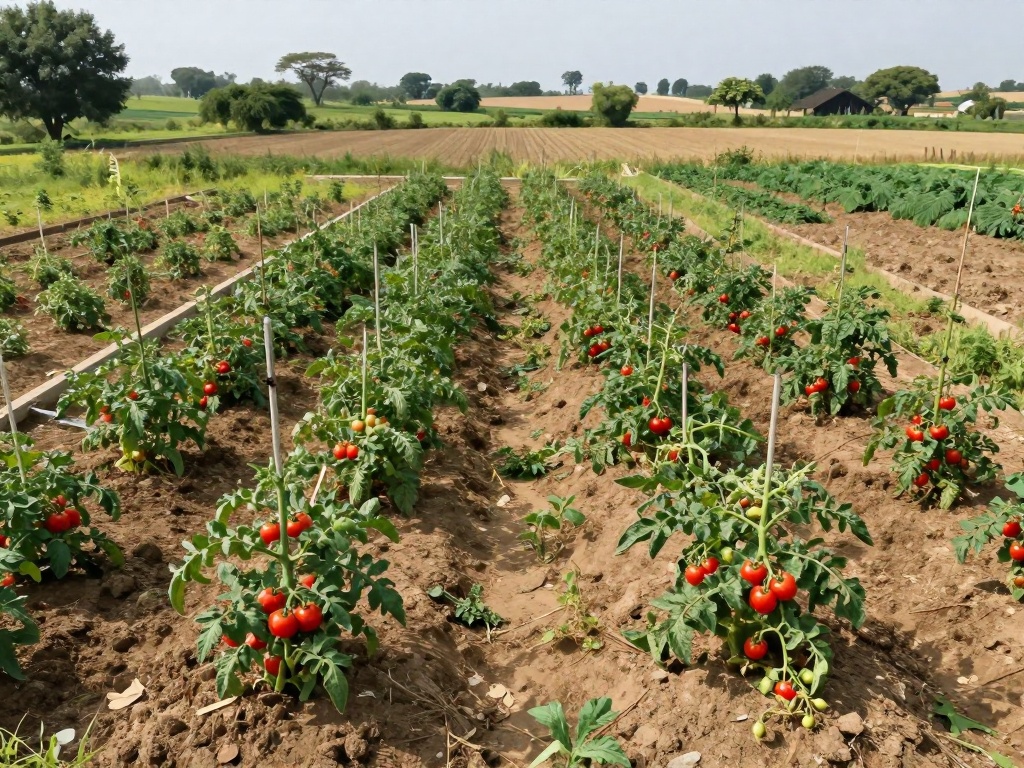
Tomatoes Trimming in Small Spaces: 10 Essential Tips for 2026
Tomatoes trimming in small spaces transforms even the tiniest balcony, patio, or windowsill into a productive garden. Whether you grow tomatoes in containers on your apartment balcony or raised beds in a compact backyard, proper pruning techniques maximize your harvest while keeping plants manageable and healthy. This comprehensive guide reveals the essential trimming strategies that professional growers use to cultivate thriving tomato plants in limited areas.
Why Trimming Matters for Small Space Tomatoes
When growing tomatoes in confined spaces, every square inch counts. Strategic trimming redirects the plant's energy from excessive foliage production toward fruit development. Without proper pruning, tomato plants become sprawling, disease-prone, and less productive—problems that compound quickly in small gardens where air circulation is already limited.
Regular trimming also prevents common issues like blossom end rot and helps your plants resist pests naturally. The result is stronger stems, more sunlight penetration, and significantly better fruit production despite your space constraints.
Benefits of Proper Tomato Pruning
- Increased fruit yield through focused energy allocation
- Better air circulation reduces fungal disease risk
- Easier harvesting in cramped spaces
- Stronger plant structure that supports heavy fruit clusters
- Extended growing season with continuous production
The 10 Essential Trimming Techniques
1. Remove Suckers Early and Often
Suckers are shoots that develop in the joint between the main stem and branches. In small spaces, removing suckers prevents your tomato plants from becoming unmanageable bushes. For indeterminate varieties, pinch suckers when they're small—about 2-4 inches long—using your thumb and forefinger.
This process, called "singlestemming," works exceptionally well for container tomatoes. Removing suckers weekly during active growth keeps plants tidy and productive throughout the season.
2. Master the Two-Leaf Rule
When pruning suckers that have grown too large for simple pinching, use sharp, clean pruning shears. Cut just above the first leaf that grows beyond the flowering cluster, leaving approximately two leaves above the fruit cluster. This technique ensures adequate photosynthesis capacity while keeping the plant compact.
3. Top Your Plants Strategically
About 30-45 days before your first expected fall frost, remove the growing tip of your main stem. This practice, called "topping," directs all remaining energy into ripening existing fruit rather than producing new flowers that won't develop in time. For small space growers, topping also prevents plants from outgrowing their designated areas.
4. Thin Lower Leaves for Air Circulation
Remove leaves from the bottom 12 inches of your tomato plants as they yellow or show signs of disease. This technique dramatically improves airflow—a critical factor in small spaces where plants grow close together. Better air circulation means fewer fungal problems like early blight and septoria leaf spot.
5. Use the Florida Weave Staking Method
For small space tomatoes, combine proper trimming with efficient support systems. The Florida weave involves weaving twine between stakes on either side of your row, creating a simple trellis that supports multiple plants. Combined with regular pruning to maintain 2-3 main stems per plant, this method keeps your garden organized and productive.
6. Prune for Container Success
Container-grown tomatoes require more aggressive pruning than garden-planted ones. In small pots, limit your plants to just one or two main stems. Remove all suckers promptly and consider removing some flower clusters early in the season. This redistribution of energy produces larger, earlier fruit that ripens successfully before cooler temperatures arrive.
7. Time Your Trimming Correctly
The best time to trim tomatoes is during dry weather in the morning or early afternoon. Wet foliage from evening trimming creates ideal conditions for fungal diseases. After trimming, avoid watering the leaves directly—focus water at the soil level to keep foliage dry and healthy.
8. Maintain Consistent Pruning Schedules
Small space tomatoes benefit from weekly attention. Check your plants every 7 days during peak growing season to remove new suckers, yellowing leaves, and any damaged growth. Consistency prevents plants from becoming overgrown and makes each pruning session quick and manageable.
9. Choose Appropriate Varieties
While not a trimming technique per se, variety selection directly impacts your pruning workload. For extremely small spaces, choose compact determinate varieties like Tiny Tim, Terenzo, or Tumbling Tom that naturally stay small without extensive pruning. Indeterminate varieties like Cherry tomatoes require more attention but produce continuously throughout the season.
10. Sanitize Your Tools
Disease spreads quickly among closely spaced plants in small gardens. Dip your pruning shears in a 10% bleach solution or rubbing alcohol between plants, especially if you're removing diseased foliage. Clean tools prevent you from unknowingly spreading bacterial canker, verticillium wilt, or other problems throughout your entire small-space garden.
Common Pruning Mistakes to Avoid
Over-pruning ranks among the most common errors small-space gardeners make. Removing too many leaves reduces the plant's ability to photosynthesize, resulting in smaller, less flavorful fruit. Aim to keep at least two-thirds of the foliage intact throughout the growing season.
Another frequent mistake involves using dull or dirty tools. Torn, ragged cuts invite disease and stress plants unnecessarily. Invest in quality bypass pruners and maintain them regularly for clean, quick cuts that heal rapidly.
Signs Your Tomato Plant Needs Trimming
Watch for these indicators that your small-space tomatoes need attention: excessive new growth that blocks light to lower fruit, crossing branches that rub against each other, leaves touching the soil surface, or dense foliage that prevents air from circulating through the plant center.
Yellowing leaves—particularly those at the plant's base—signal that trimming should occur soon. Similarly, any foliage showing brown spots, wilting despite adequate water, or insect damage should be removed immediately to protect overall plant health.
Conclusion
Mastering tomatoes trimming in small spaces empowers you to grow impressive harvests regardless of your garden's limitations. These ten essential techniques—combined with consistent attention and proper variety selection—transform cramped balconies, patios, and small backyards into productive tomato gardens. Start implementing these pruning strategies today, and watch your small-space garden flourish.
Frequently Asked Questions
How often should I trim my small-space tomato plants?
Check and trim your tomato plants weekly during the growing season. Remove suckers when they're 2-4 inches long, and inspect for yellowing leaves or disease at each visit. Consistent, light pruning takes just minutes and prevents problems from accumulating.
Should I prune determinate or indeterminate tomatoes differently in small spaces?
Determinate varieties require minimal pruning since they naturally grow to a compact, fixed size. Indeterminate varieties benefit significantly from regular sucker removal and strategic pruning to maintain one to three main stems. For small spaces, indeterminate types need more attention but produce longer throughout the season.
Can over-trimming reduce my tomato harvest?
Yes, over-trimming decreases your harvest by reducing the plant's photosynthetic capacity. Leaves produce sugars that sweeten and size your fruit. Remove no more than one-third of the foliage at any time, and always maintain several healthy leaves above each fruit cluster to ensure proper development and excellent flavor.
No comments