
Sunflowers Organic Gardening in Full Sun: 2026 Complete Guide
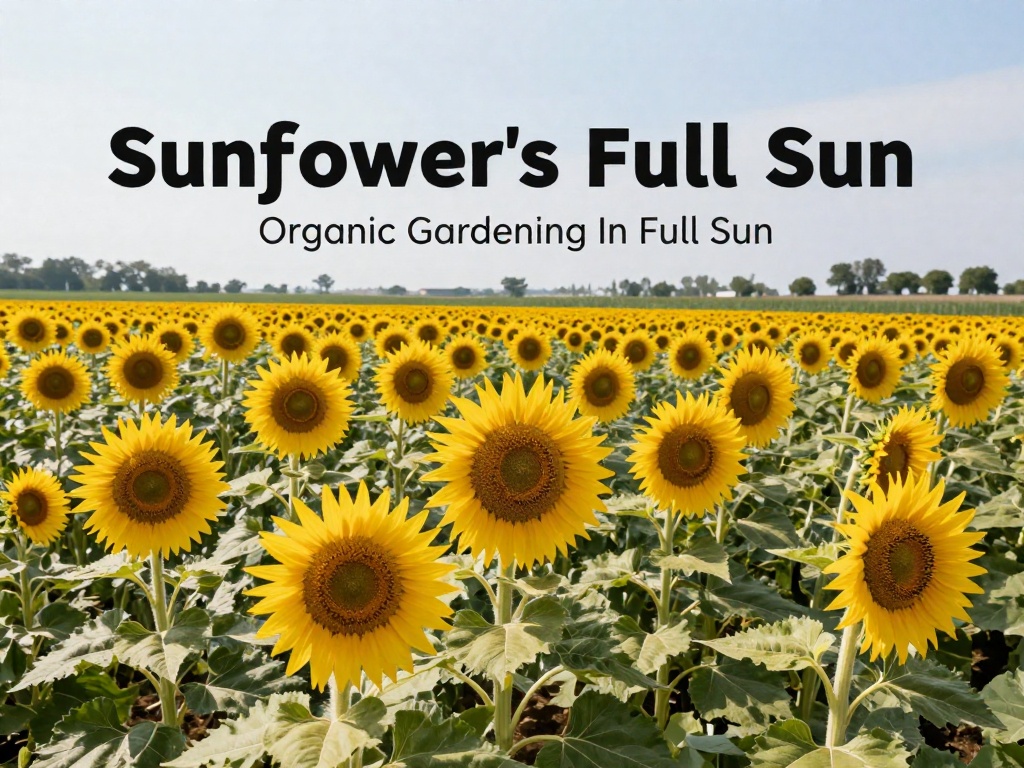
Sunflowers Organic Gardening in Full Sun: 2026 Complete Guide
Growing sunflowers organically in full sun is one of the most rewarding experiences for any home gardener. These vibrant, towering flowers bring beauty, attract pollinators, and produce delicious seeds—all while thriving with minimal intervention when planted correctly. Whether you have a small backyard plot or a sprawling garden, mastering sunflowers organic gardening in full sun conditions can transform your outdoor space into a thriving ecosystem.
Why Choose Organic Sunflowers for Full Sun Gardens
Organic sunflowers offer countless benefits beyond their stunning appearance. By avoiding synthetic pesticides and fertilizers, you create a healthier garden environment for beneficial insects, birds, and soil microorganisms. Sunflowers are remarkably resilient plants that naturally repel many garden pests when grown organically, making them an excellent choice for sustainable gardening practices.
These flowers also improve your garden's biodiversity. Their large flower heads serve as feeding stations for bees, butterflies, and other pollinators essential for crop reproduction. Additionally, sunflower roots help break up compacted soil and can absorb toxins, improving overall soil health for future plantings.
Environmental Benefits of Organic Sunflower Cultivation
Organic sunflower gardening supports environmental sustainability in multiple ways. Chemical-free growing methods protect groundwater quality, while the deep root systems of sunflowers prevent soil erosion and improve water infiltration. Furthermore, organic practices increase carbon sequestration in healthy soils, contributing to climate resilience.
Essential Requirements for Sunflowers Organic Gardening in Full Sun
Sunflowers are true sun-loving plants that demand at least 6-8 hours of direct sunlight daily for optimal growth. Without adequate sun exposure, plants become leggy, produce smaller blooms, and yield fewer seeds. Selecting the right location is the foundation of successful sunflower cultivation.
Choosing the Perfect Sunny Location
Look for a spot in your garden that receives uninterrupted sunlight throughout the day. South-facing areas typically provide the most consistent sun exposure. Avoid planting near tall structures, trees, or buildings that cast shadows, especially during the crucial morning hours when photosynthesis is most efficient.
Consider wind exposure when selecting your site. While sunflowers tolerate moderate wind, extremely exposed locations may require staking for taller varieties. A slightly sheltered position with good air circulation provides the ideal balance for healthy growth.
Soil Preparation for Organic Success
Sunflowers adapt to various soil types but prefer well-draining, loamy soil with moderate fertility. Before planting, work 2-4 inches of aged compost into the top 6-8 inches of soil. This organic matter improves drainage in clay soils and enhances water retention in sandy soils while providing slow-release nutrients.
Conduct a soil test to determine pH levels. Sunflowers thrive in slightly acidic to neutral soil with a pH range of 6.0-7.5. If adjustment is needed, use organic amendments like agricultural lime to raise pH or sulfur to lower it. Avoid fresh manure, which can burn young seedlings and introduce pathogens.
Planting and Growing Sunflowers Organically
Selecting Organic Sunflower Seeds
Start with certified organic, non-GMO sunflower seeds from reputable suppliers. Popular varieties for organic gardens include Mammoth Grey Stripe, Russian Giant, and Teddy Bear. Consider your goals—large-headed varieties produce more seeds for eating, while branching types offer extended blooming periods for ornamental appeal.
Check seed packet information for days to maturity, height expectations, and specific growing requirements. Heirloom and open-pollinated varieties allow you to save seeds for future plantings, promoting self-sufficiency in your organic garden.
Proper Planting Techniques
Plant sunflower seeds directly in the garden after all danger of frost has passed and soil temperatures reach at least 50°F (10°C). In most regions, this occurs between late April and mid-June. Sow seeds 1-2 inches deep, spacing them 6 inches apart in rows.
Water thoroughly after planting and maintain consistent moisture until seedlings emerge, typically within 7-10 days. Once established, sunflowers develop extensive root systems that make them more drought-tolerant, though consistent watering during dry periods improves bloom quality and seed development.
Companion Planting Strategies
Integrate sunflowers into your organic garden using companion planting principles. Cucumbers, squash, and corn benefit from sunflowers' wind resistance and pollinator attraction. Plant basil, lettuce, or herbs beneath taller sunflower stalks to maximize space efficiency while creating beneficial microclimates.
Avoid planting sunflowers near potatoes, as competition for nutrients can reduce yields for both crops. pole beans also suffer when grown in proximity to sunflowers due to allelopathic effects.
Organic Care and Maintenance
Natural Pest Management
Organic sunflower gardening requires vigilance against common pests without resorting to synthetic chemicals. Birds and squirrels love sunflower seeds—protect developing heads with cheesecloth or paper bags once petals begin to fade. This simple physical barrier preserves your harvest while remaining completely organic.
Aphids occasionally target sunflower stems and leaves. Introduce beneficial insects like ladybugs and lacewings to control aphid populations naturally. Strong blasts of water also dislodge these pests effectively. For larger infestations, apply neem oil or insecticidal soap according to organic gardening standards.
Disease Prevention Organically
Prevent fungal diseases through proper spacing and watering practices. Water at soil level rather than overhead to keep foliage dry, and space plants adequately for good air circulation. Remove and destroy any infected plant material immediately to prevent spread.
Rotate sunflower plantings annually to prevent soil-borne diseases from accumulating. Avoid planting sunflowers in the same location for at least three years. This practice disrupts disease cycles and maintains soil health in your organic garden.
Feeding Your Sunflowers Naturally
Organic fertilizers provide slow, steady nutrition for healthy sunflower development. Side-dress plants with compost tea or well-aged compost when they reach about 12 inches tall and again when flower buds form. This supplemental feeding supports vigorous growth without overwhelming plants with excessive nitrogen.
Excessive nitrogen produces lush foliage at the expense of flowers and seeds. Prioritize phosphorus and potassium for blooming and root development. Organic options include bone meal, kelp meal, and wood ash applied according to package directions.
Harvesting and Enjoying Your Organic Sunflowers
Harvest sunflower seeds when the back of the flower head turns brown and the seeds loosen easily. Cut the head with several inches of stem attached and hang it in a dry, well-ventilated area. Once completely dried, rub seeds gently to remove them from the head.
Store harvested seeds in airtight containers in a cool, dark location. Roasted or raw, homegrown organic sunflower seeds make nutritious snacks rich in healthy fats, protein, and essential minerals. Share your harvest with neighbors or save seeds for next season's planting.
FAQ
How much sunlight do sunflowers need for optimal organic growth?
Sunflowers require minimum 6-8 hours of direct sunlight daily. More sunlight produces stronger stems, larger blooms, and more abundant seed production. In full sun conditions, plants develop better disease resistance and more vibrant flower colors compared to partially shaded locations.
Can I grow sunflowers organically in containers?
Yes, smaller sunflower varieties like Dwarf Sunsation and Pacino grow well in containers with adequate sunlight. Use pots at least 12 inches deep with drainage holes, fill with organic potting mix, and water consistently. Container-grown sunflowers may need more frequent watering and feeding than garden-planted specimens.
What are the best organic companion plants for sunflowers?
Corn, cucumbers, squash, and beans make excellent organic companions for sunflowers. These plants benefit from shared pollinators attracted by sunflower blooms. Herbs like basil and lettuce also thrive when planted near sunflowers, maximizing garden space efficiency.
When should I plant sunflower seeds for organic gardening success?
Plant sunflower seeds after the last frost date when soil temperatures reach 50°F (10°C) or higher. In most temperate regions, late April through June provides optimal planting conditions. Successive plantings every 2-3 weeks extend the blooming season throughout summer and early fall.
No comments