
10 Proven Tips for Lettuce Container Gardening in Sandy Soil
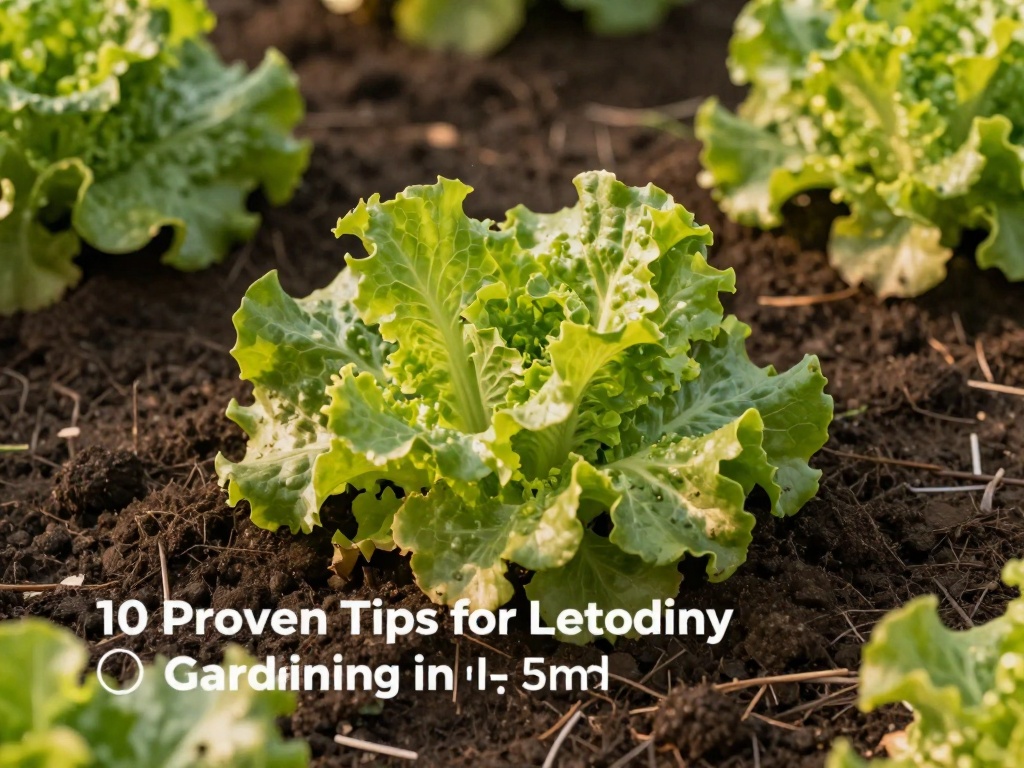
10 Proven Tips for Lettuce Container Gardening in Sandy Soil
Lettuce container gardening in sandy soil presents unique challenges that frustrate many home gardeners. Sandy soil drains too quickly and lacks the nutrients that lettuce needs to thrive. Fortunately, container gardening offers an elegant solution to these problems. By growing lettuce in containers, you can control the soil composition entirely, creating the perfect environment for crisp, delicious harvests regardless of your native soil conditions.
Understanding Sandy Soil Challenges for Lettuce
Sandy soil consists of large particles that create excellent drainage but poor water retention. This combination proves problematic for lettuce, which prefers consistent moisture without becoming waterlogged. When you practice lettuce container gardening in sandy soil, you gain complete control over growing conditions that would otherwise limit your success.
Why Lettuce Struggles in Sandy Soil
Lettuce has shallow roots that absorb nutrients and water from the top few inches of soil. In sandy conditions, water passes through too quickly, leaving roots dry between waterings. Additionally, sandy soil lacks organic matter that normally provides essential nutrients. Container gardening eliminates these obstacles by letting you create optimized growing medium.
Choosing the Right Containers for Lettuce
Successful lettuce container gardening in sandy soil starts with selecting appropriate containers. The right vessel makes a significant difference in moisture management and root development.
Best Container Materials and Sizes
Plastic, ceramic, and fabric grow bags all work well for lettuce. Choose containers at least 6 inches deep for leaf lettuce and 8-10 inches for romaine varieties. Self-watering containers prove especially valuable because they maintain consistent moisture levels that sandy soil cannot provide naturally. A window box measuring 12 inches wide works excellently for growing multiple lettuce plants together.
Creating the Perfect Soil Mix for Containers
The foundation of successful lettuce container gardening in sandy soil lies in your soil mix. Never use native sandy soil alone in containers, as it will replicate the same problems. Instead, create a custom blend that addresses drainage while retaining adequate moisture.
Recommended Soil Mix Components
Combine equal parts of high-quality potting mix, coconut coir, and perlite or coarse sand. This mixture provides structure for root support while maintaining the moisture balance lettuce requires. Add a handful of mature compost to supply slow-release nutrients throughout the growing season. The coir component proves particularly valuable because it absorbs and retains moisture that would otherwise drain away quickly.
Adding Soil Amendments
Incorporate water-retaining polymers or hydrozone granules into your mix for additional moisture retention. These products absorb water during watering and release it gradually as soil dries. Mix in a slow-release organic fertilizer at planting time to ensure consistent nutrition throughout the growing周期.
Selecting the Best Lettuce Varieties for Containers
Not all lettuce varieties perform equally well in container settings. Choosing appropriate cultivars significantly impacts your success with lettuce container gardening in sandy soil conditions.
Top Performing Container Lettuce Types
Loose-leaf varieties like Salad Bowl, Red Sails, and Buttercrunch adapt exceptionally well to containers. These types mature quickly, tolerate variable conditions, and can be harvested repeatedly by cutting outer leaves. Romaine varieties such as Parris Island and Little Caesar also thrive in containers when given adequate space and consistent care.
Planting Techniques for Container Lettuce
Proper planting techniques establish the foundation for healthy growth. Timing and spacing directly influence plant development and harvest potential.
When and How to Plant
Start seeds indoors 4-6 weeks before your last frost date, or direct sow into containers when soil temperatures reach 40°F. Sow seeds thinly on the soil surface and press them gently into contact with the growing medium. Cover lightly with just 1/8 inch of fine soil mix. Maintain consistent moisture until germination occurs, typically within 7-10 days.
Spacing Guidelines for Containers
Space loose-leaf varieties 4-6 inches apart within each container. For continuous harvests, practice succession planting by starting new containers every 2-3 weeks during cool seasons. This approach ensures you always have fresh lettuce ready for harvest without overwhelming production.
Watering Strategies for Sandy Soil Containers
Proper watering proves the most critical factor for lettuce container gardening in sandy soil environments. The modified soil mix helps, but attentive watering practices ensure optimal results.
Establishing an Effective Watering Routine
Check container soil moisture daily during warm weather by inserting your finger 1 inch into the soil. Water thoroughly when the top inch feels dry, applying water until it flows freely from drainage holes. During hot summer months, this may require watering twice daily. Morning watering allows leaves to dry before evening, reducing disease pressure.
Signs of Improper Watering
Wilting leaves often indicate underwatering, but can also signal overwatering if roots have rotted. Yellowing lower leaves typically suggest overwatering, while brown leaf edges often indicate underwatering or low humidity. Observe your plants daily to recognize patterns specific to your growing conditions.
Fertilizing Container Lettuce
Container soil contains limited nutrients that deplete quickly with regular watering. Regular fertilization ensures your lettuce receives nutrition necessary for rapid, healthy growth.
Feeding Schedule and Products
Apply diluted liquid fertilizer every 2-3 weeks throughout the growing season. Fish emulsion, seaweed extract, or balanced organic liquid fertilizers work excellently for lettuce. Dilute to half-strength to prevent burning tender roots. Alternative apply slow-release granules at planting and supplement with liquid feeds as plants develop.
Managing Sunlight and Temperature
Lettuce performs best in cool conditions with moderate sunlight. Understanding light requirements helps position containers for optimal growth.
Ideal Light Conditions
Provide 4-6 hours of direct sunlight daily, with afternoon shade in warmer climates. South-facing positions work well in northern regions, while east-facing spots suit warmer southern areas. During heat waves, move containers to shadier locations to prevent bolting and leaf bitterness.
Harvesting Your Container Lettuce
Proper harvesting techniques maximize production from your container garden. Timing and method affect both yield and продолжительность harvest period.
When and How to Harvest
Begin harvesting outer leaves when they reach 4-6 inches in length, typically 30-45 days after planting. Cut leaves 1-2 inches above the soil line using clean, sharp scissors. This method allows plants to regenerate for multiple harvests over several weeks. Harvest in morning hours when leaves contain maximum moisture for crispness.
Extending Your Growing Season
Container flexibility allows you to extend harvests beyond normal growing seasons. Strategic positioning and protection extend productive periods significantly.
Season Extension Techniques
Move containers indoors near sunny windows when outdoor temperatures drop below freezing. Use cold frames or row covers on patios to protect plants during light frosts. In mild climates, containers can produce lettuce year-round with minimal protection. This flexibility represents a significant advantage of container gardening over in-ground cultivation.
Common Problems and Solutions
Even with excellent care, container lettuce sometimes encounters problems. Recognizing issues early allows for quick correction.
Troubleshooting Guide
Bitter tasting lettuce usually indicates heat stress or delayed harvest. Bolting, where plants produce flower stalks prematurely, results from temperatures that remain too high for extended periods. Pests including aphids, slugs, and caterpillars occasionally target container lettuce—inspect plants regularly and remove pests by hand or with organic treatments when necessary.
FAQ
Can I use regular garden soil for lettuce container gardening in sandy soil areas?
No, regular garden soil, especially sandy soil, should not be used alone in containers. It compacts easily, drains too quickly, and lacks proper aeration for container root systems. Always use a custom potting mix specifically formulated for containers.
How often should I water lettuce containers during summer?
During hot summer weather, container lettuce may require watering twice daily—once in early morning and again in late afternoon. Always check soil moisture before watering and ensure containers have adequate drainage holes to prevent waterlogging.
What is the best fertilizer for lettuce container gardening in sandy soil?
Balanced liquid fertilizers with equal or near-equal nitrogen, phosphorus, and potassium ratios work well for lettuce. Organic options like fish emulsion, seaweed extract, or compost tea provide excellent nutrition without burning tender roots when properly diluted.
No comments