
10 Best Raspberry Varieties for Container Gardening in Shade
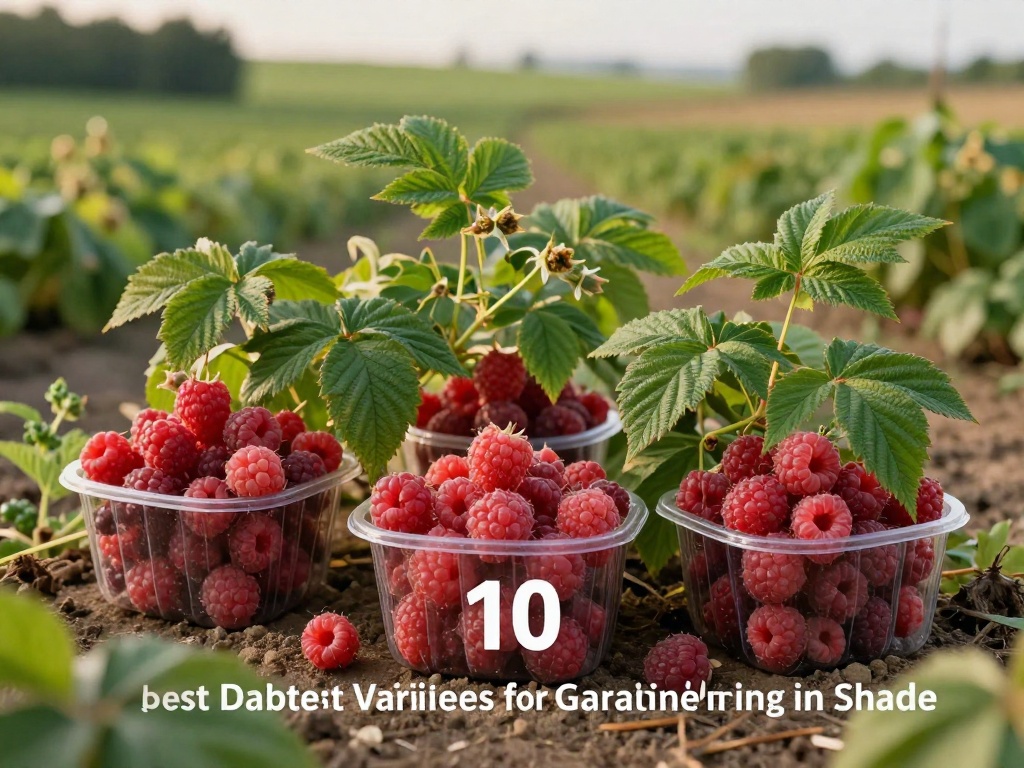
10 Best Raspberry Varieties for Container Gardening in Shade
Growing raspberries in containers in shade is a smart solution for gardeners with limited sunlight. Many backyard growers assume raspberries need full sun, but several varieties thrive in partial shade and produce excellent yields when grown in containers. This guide covers everything you need to know about cultivating delicious raspberries in low-light conditions.
Why Choose Container Gardening for Raspberries?
Container gardening offers remarkable flexibility for raspberry cultivation. You can move pots to capture available light, protect plants from harsh weather, and control soil conditions precisely. For urban gardeners with balconies, patios, or shaded yards, containers make berry growing possible where traditional garden beds simply won't work.
Raspberries adapt well to container life because their root systems stay compact. This natural growth habit means even a 5-gallon container can support a productive raspberry plant. Containers also prevent the aggressive spreading that raspberry canes sometimes exhibit in open garden beds.
Benefits of Growing Raspberries in Containers
- Portability to maximize available sunlight throughout the season
- Better control over soil drainage and nutrient levels
- Protection from ground-level pests like voles and borers
- No concerns about invasive spreading through garden beds
- Extended growing season through mobility
Understanding Shade Tolerance in Raspberry Plants
Raspberries need at least 4-6 hours of direct sunlight daily for optimal fruit production. However, some varieties perform better than others in reduced light conditions. The key is selecting the right type and understanding that yields may be slightly lower compared to full-sun cultivation.
Partial shade means your raspberry plants receive 3-6 hours of direct sunlight or filtered light throughout the day. Deep shade, with less than 3 hours of sunlight, presents a greater challenge but remains achievable with the right variety selection and proper care adjustments.
Light Requirements by Raspberry Type
Summer-bearing raspberries typically need more sunlight for their extended fruit production period. Fall-bearing varieties often tolerate shade better since they fruit on newer canes. Everbearing types provide flexibility with two harvest seasons, making them excellent choices for challenging light conditions.
Top 10 Raspberry Varieties for Shade Container Gardening
1. Heritage Raspberries
Heritage is arguably the most popular fall-bearing raspberry variety for containers. This everbearing cultivar produces sweet, firm berries on primocanes, meaning you get two harvests per season. Heritage tolerates partial shade remarkably well and adapts to container life with ease. Expect berries from late summer through first frost with proper care.
2. Anne Raspberries
Anne offers pale yellow-gold berries with exceptional sweetness that rivals red varieties. This primocane-fruiting type grows well in containers and handles dappled shade effectively. The unique berry color adds visual interest to your garden while providing excellent flavor for fresh eating and preserves.
3. Fall Gold Raspberries
Fall Gold produces amber-colored berries with a honey-sweet flavor profile. This compact variety excels in containers and tolerates partial shade conditions. The smaller plant size makes it ideal for balcony gardens and small spaces where larger varieties might overwhelm.
4. Joan J Raspberries
Joan J is a primocane-fruiting variety specifically bred for commercial and home production. The berries are large, firm, and maintain quality well after picking. This variety shows good shade tolerance and responds well to container cultivation with consistent watering and feeding schedules.
5. Himbo Top Raspberries
Himbo Top produces large, attractive berries with excellent flavor and shelf life. This primocane variety handles cooler temperatures well and adapts to partial shade locations. The vigorous growth makes it productive in containers despite reduced light conditions.
6. Polka Raspberries
Polka is a Polish variety known for heavy yields of firm, sweet berries. This primocane type fruits abundantly even in challenging conditions. Polka raspberry plants stay compact in containers, making them perfect for small-space gardeners working with limited sunlight.
7. Caroline Raspberries
Caroline produces aromatic, highly flavored berries that many consider superior to commercial varieties. This fall-bearing type adapts well to container life and tolerates partial shade effectively. The vigorous plants compensate for reduced light with strong growth and productive fruiting.
8. Josephine Raspberries
Josephine is an exceptional everbearing variety producing large, firm berries with outstanding flavor. The plants show good shade tolerance and adapt readily to container growing. Expect productive harvests from summer through fall with this reliable cultivar.
9. Double Gold Raspberries
Double Gold features unique peachy-pink berries with excellent sweetness and a distinctive flavor. This compact primocane variety performs well in containers and tolerates partial shade conditions. The unusual berry color provides visual diversity to your container garden.
10. Raspberry Shortcake Raspberries
Raspberry Shortcake is a dwarf variety specifically developed for container growing. These compact plants reach only 2-3 feet tall, perfect for small containers and limited spaces. While bred for containers, they still appreciate whatever sunlight you can provide and show good shade adaptation.
Essential Container Selection and Setup
Choosing the right container significantly impacts your success growing raspberries in shade. Select pots at least 18 inches deep and wide to accommodate root systems comfortably. Fabric grow bags offer excellent drainage and air pruning benefits that promote healthy root development.
Material matters when selecting raspberry containers. Plastic and composite pots retain moisture better than terracotta, which becomes crucial in shade gardens where soil dries more slowly. Ensure your containers have adequate drainage holes to prevent waterlogging, as shade-grown plants face higher risk of root rot.
Recommended Container Sizes
- Single raspberry plant: 15-20 gallon container (18" x 18")
- Dwarf varieties: 5-10 gallon container minimum
- Multiple plants: Space 24-36 inches apart in larger containers
Optimal Soil Mix for Container Raspberries
Raspberries in containers require well-draining, nutrient-rich soil that supports vigorous growth. Create an ideal mix using equal parts quality potting soil, compost, and perlite or coarse sand. This combination provides drainage while retaining sufficient moisture and nutrients for productive plants.
Avoid garden soil in containers, as it compacts too heavily and may harbor disease organisms. Commercial potting mixes labeled for vegetables or berries work well as a base. Add slow-release fertilizer at planting time and supplement with liquid feedings throughout the growing season for optimal results.
Watering and Feeding Guidelines
Container raspberries in shade require careful watering attention. While shade reduces water loss through evaporation, the soil stays wet longer, increasing root rot risk. Check soil moisture before watering by inserting your finger 2 inches deep. Water only when the top inch feels dry, applying water until it drains freely from the bottom.
Feed your container raspberries every 2-3 weeks during the growing season with a balanced liquid fertilizer diluted to half strength. Overfeeding promotes excessive leaf growth at the expense of fruit production, so maintain consistent but moderate nutrition levels throughout the season.
Pruning and Maintenance for Container Raspberries
Pruning practices differ based on whether you're growing primocane or floricane varieties. Primocane-fruiting types like Heritage and Joan J produce fruit on first-year canes, so cut all canes to ground level in late winter or early spring. Floricane varieties fruit on second-year canes, requiring selective removal of spent canes only.
Remove all pruned material from the container and dispose of it properly to prevent disease carryover. Thin remaining canes to 4-6 strong stems per plant to improve air circulation and berry quality. Container-grown raspberries benefit from annual root-bound checks and potential repotting every 2-3 years.
Positioning Your Containers for Maximum Success
Place containers in the brightest available location, even if that means only dappled sunlight. Morning sun is particularly valuable as it dries dew quickly and reduces fungal disease pressure. Move containers as needed throughout the season to capture shifting sunlight patterns in your garden space.
Avoid positioning container raspberries in deep, permanent shade such as under dense tree canopies or on north-facing walls with no direct sun exposure. Even 2-4 hours of direct morning or afternoon sun combined with bright indirect light can produce satisfactory results with shade-tolerant varieties.
Common Problems and Solutions
Shade-grown raspberries face increased susceptibility to fungal issues due to prolonged leaf wetness and reduced air circulation. Prevent problems by spacing containers adequately, providing good air flow, and watering at soil level rather than overhead. Remove any affected leaves promptly and consider organic fungicide applications if problems persist.
Poor fruit production often indicates insufficient light rather than nutrient deficiencies. Evaluate your light conditions honestly and consider relocating containers if yields remain disappointingly low. Sometimes even moving a few feet closer to a window or opening makes measurable differences in harvest quality and quantity.
Harvesting Your Container Raspberries
Pick raspberries when they slip easily from the stem, indicating full ripeness. Harvest every 1-2 days during peak production to prevent overripe fruit from attracting pests or developing mold. Morning harvesting after dew dries but before afternoon heat produces the firmest, sweetest berries.
Expect your container raspberries to produce for several years with proper care. Refresh the soil annually by removing the top 2-3 inches and replacing it with fresh compost. After 3-4 years, consider dividing or repotting established plants to maintain vigor and productivity.
FAQ
Can raspberries really grow in shade?
Yes, certain raspberry varieties can grow and produce fruit in partial shade conditions. Primocane-fruiting varieties like Heritage, Joan J, and Fall Gold show particularly good shade tolerance. While yields may be reduced compared to full-sun cultivation, you can still enjoy meaningful harvests with proper variety selection and care.
How much sun do container raspberries need?
Container raspberries perform best with 4-6 hours of direct sunlight daily. However, shade-tolerant varieties can produce satisfactory results with as little as 3-4 hours of direct sun combined with bright indirect light throughout the day. The quality of available light matters more than pure duration.
What is the best container size for raspberry plants?
The minimum container size for a single raspberry plant is 15 gallons (approximately 18 inches wide and deep). Dwarf varieties like Raspberry Shortcake can succeed in 5-10 gallon containers. Larger containers provide more stable moisture and nutrient retention, improving plant health and productivity.
How often should I water raspberries in containers in shade?
Water container raspberries when the top inch of soil feels dry, typically every 2-3 days in warm weather. Shade conditions slow evaporation, so you may water less frequently than full-sun container plants. Always check soil moisture before watering to avoid overwatering, which causes root rot in shade-grown plants.
No comments