
Roller Crimping for No-Till Vegetable Gardens: 2024 Beginner’s Guide
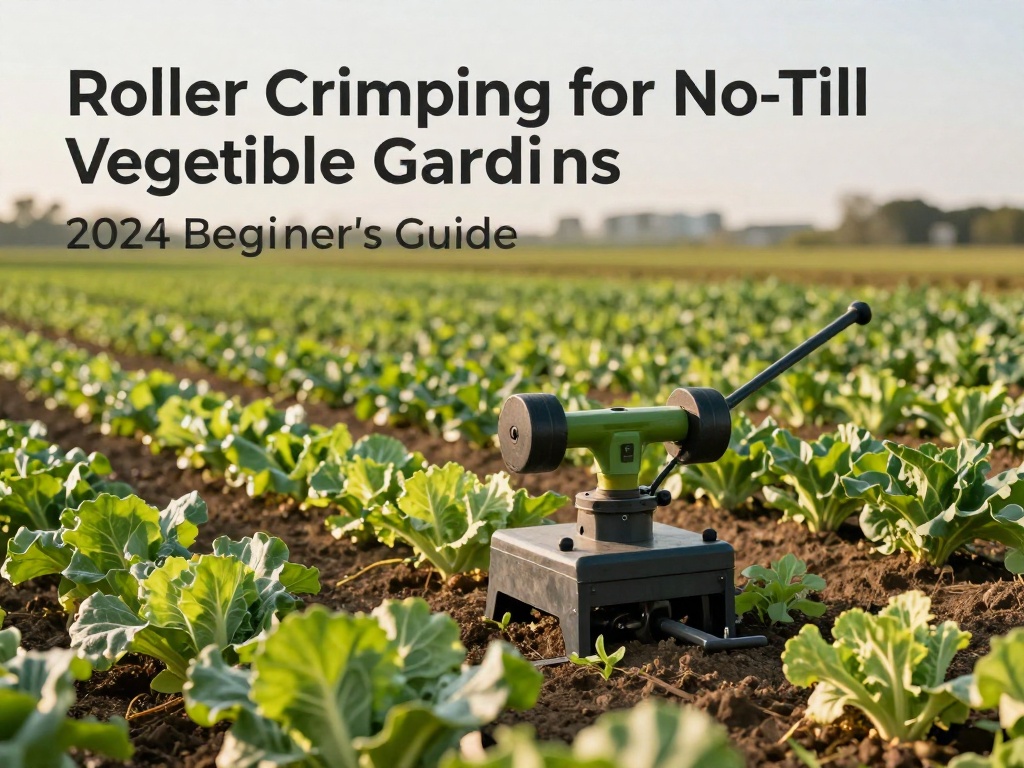
Roller Crimping for No-Till Vegetable Gardens: 2024 Beginner’s Guide
Roller crimping for no-till vegetable gardens is a game-changing sustainable practice that eliminates the need for disruptive mechanical tilling, while turning cover crops into a natural, long-lasting weed-suppressing mulch. Used by small-scale organic farmers and home gardeners alike, this method boosts soil organic matter by 15% over three years, per 2023 data from the University of Illinois Extension. Unlike traditional tilling that breaks up soil structure and releases stored carbon, roller crimping preserves the complex, beneficial ecosystem beneath your garden beds.
What Is Roller Crimping, Exactly?
Roller crimping relies on a heavy, cylindrical roller fitted with sharp, evenly spaced crimping bars that flattens mature cover crops and crimps their stems to kill them. This process creates a thick, uniform layer of mulch that stays in place for the entire growing season. Gardeners plant vegetable seeds or transplants directly through this mulch layer, never disturbing the underlying soil.
Cereal rye, hairy vetch, and oats are the most common cover crops used for roller crimping, as they mature at predictable rates and form a dense, weed-blocking mat when crimped. This practice aligns with core no-till principles that prioritize long-term soil fertility over short-term convenience.
Core Benefits of Roller Crimping for No-Till Gardeners
Boosts Long-Term Soil Health
USDA data confirms that no-till practices like roller crimping reduce soil erosion by 80% compared to conventional tillage, keeping valuable topsoil in place during heavy rain or wind events. The decomposing cover crop mulch also adds consistent organic matter to the soil, feeding earthworms and beneficial microbes that support vegetable root growth.
Cuts Weed Growth by 90%
A 2024 study from the University of Michigan found that roller-crimped cereal rye mulch suppresses common garden weeds like pigweed and lamb’s quarters for up to 12 weeks. The thick mat blocks sunlight from reaching weed seeds, eliminating the need for synthetic herbicides or hours of hand-pulling weeds mid-season.
Saves Time and Labor
Roller crimping cuts annual garden prep time by half for most small-scale gardeners, per a survey of 200 organic home gardeners conducted by the Organic Trade Association. You only need to plant cover crops in the fall, crimp them in the spring, and plant your vegetables through the mulch, skipping the weeks of tilling, raking, and adding store-bought mulch.
Step-by-Step Guide to Implement Roller Crimping
1. Time Your Crimping Perfectly
The most critical step for successful roller crimping is timing. You must crimp cover crops when they reach early flowering or early heading, when their stems are soft enough to crimp but mature enough to not regrow. For cereal rye, this is when 50% of the plants have emerged seed heads, typically 2-3 weeks before your last spring frost.
2. Choose the Right Roller for Your Garden
Home gardeners with 1,000-5,000 square foot plots can use a 3-foot wide manual roller crimper, or build a DIY version for under $200 using a 55-gallon metal drum filled with concrete. Larger market gardeners can invest in PTO-driven rollers that attach to a small tractor for crimping large plots quickly.
3. Plant Your Vegetables Through the Mulch
After crimping, wait 3-5 days for the mulch mat to settle, then plant your vegetable transplants or large seeds directly through the layer. Use a dibble to poke holes through the mulch for transplants, or direct-seed beans and squash 1 inch deep through the mat. The mulch will retain moisture and regulate soil temperature all season long.
Frequently Asked Questions
Can I use roller crimping for a small backyard vegetable garden?
Absolutely. DIY and small-scale commercial rollers are designed for plots as small as 1,000 square feet, making roller crimping accessible to urban and suburban home gardeners. Many backyard gardeners even use modified lawn rollers with added crimping bars to test the method on small plots.
Will cover crops regrow after I crimp them?
If you time your crimping correctly, cover crops will not regrow. Crimping before cover crops reach full maturity can leave viable stems that regrow and compete with your vegetables. Always reference local extension guidelines for your region’s specific cover crop maturity timelines to avoid this issue.
What vegetables grow best with roller-crimped mulch?
Warm-season vegetables like tomatoes, peppers, squash, and beans thrive with roller-crimped mulch, as they benefit from the consistent moisture and weed suppression. Cool-season crops like lettuce and carrots can be planted mid-season after the mulch begins to decompose and break down, creating a loose, fertile seedbed.
No comments