
Turnip Seeding for Winter Livestock Grazing: 2024 Pro Guide to Boost Forage Yields
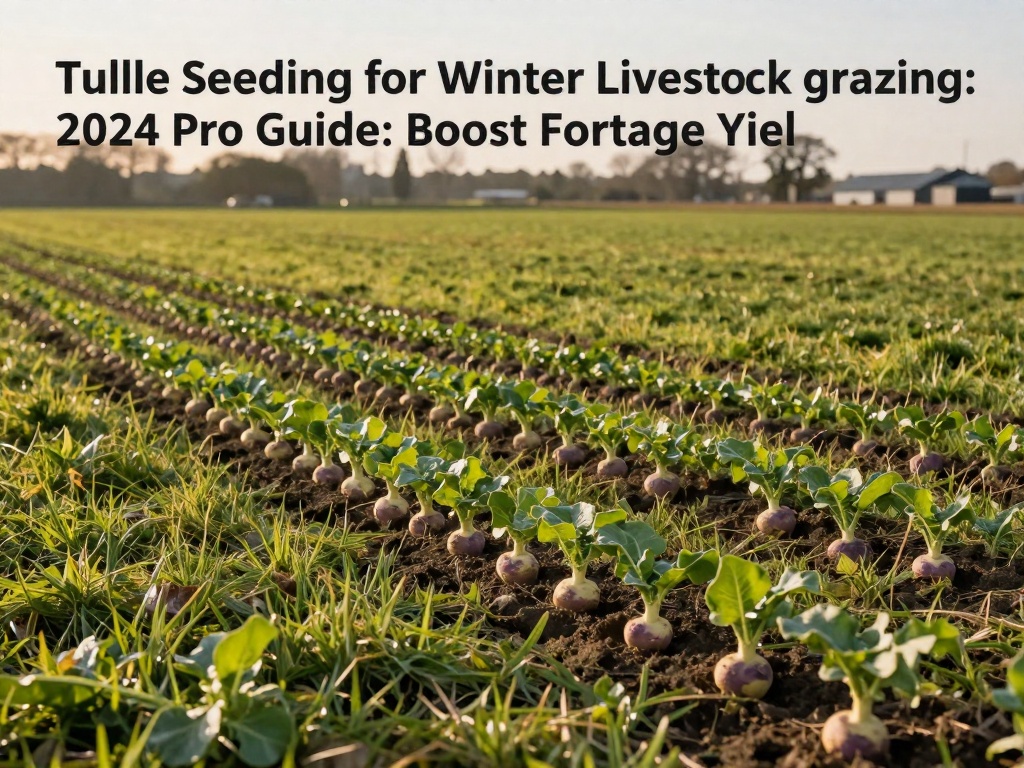
Turnip Seeding for Winter Livestock Grazing: 2024 Pro Guide to Boost Forage Yields
Turnip seeding for winter livestock grazing has emerged as a cost-effective, high-nutrition strategy for farmers across North America looking to extend their grazing season and cut overheads. The USDA’s 2023 Agricultural Resource Management Survey reports that winter forage crops like turnips reduce livestock feed costs by up to 35% for mid-sized cow-calf operations. Turnips are fast-growing, cold-tolerant, and packed with crude protein, making them ideal for sustaining cattle, sheep, and goats through cold winter months.
Why Turnips Are Ideal for Winter Livestock Grazing
High Nutritional Profile for Herd Health
Turnips deliver 15-25% crude protein and high levels of digestible energy, outperforming most common dry hay mixes for winter herd maintenance. University of Minnesota Extension research found that turnip forage supports average daily gains of 1.5-2 pounds per head for stocker cattle, compared to just 0.8 pounds from standard dry hay. This nutritional density translates to healthier herds and lower supplemental feed needs through the winter.
Cold Tolerance and Fast Maturation
Turnips can germinate in soil as cool as 40°F, and most varieties mature in just 8-12 weeks after seeding. They survive light frosts with ease, and can withstand hard freezes down to 20°F, retaining their nutritional value for late-season grazing. This fast growth window makes them flexible to plant after summer cash crop harvests, maximizing land use efficiency for multi-purpose farms.
Step-by-Step Best Practices for Turnip Seeding
Time Your Seeding Window Correctly
Seeding timing is the most critical factor for a successful turnip forage stand. For USDA Hardiness Zones 3-6, seed between mid-July and mid-August to allow full maturation before the first heavy frost. For warmer Zones 7-8, seed from mid-August to early September to avoid excessive heat stress that stunts turnip growth. University of Illinois Extension recommends seeding 2-3 weeks before your area’s average first frost date to ensure adequate root and leaf biomass.
Seeding Rate and Planting Method
For single-species turnip stands, use 4-5 pounds of pure live seed (PLS) per acre. If mixing turnips with complementary forages like oats or annual ryegrass, reduce the turnip seeding rate to 2-3 pounds PLS per acre. No-till drilling is the preferred planting method, boosting germination rates by 30% compared to broadcast seeding, per Penn State Extension research. Plant seeds just 0.25 to 0.5 inches deep, as small turnip seeds cannot emerge from deeper soil layers.
Soil Preparation and Fertilization
Test your soil before seeding to ensure a pH between 6.0 and 6.8, the ideal range for turnip growth. Apply 50-60 pounds of nitrogen, 40 pounds of phosphorus, and 50 pounds of potassium per acre to support robust leaf and root development. Avoid over-applying nitrogen, which can lead to excessive leaf growth and weak, underdeveloped turnip roots that lack nutritional value.
Grazing Management to Maximize Forage Value
Start Grazing at the Right Growth Stage
Wait to turn livestock into turnip pastures until plants reach 12-15 inches tall, roughly 8-10 weeks after seeding. This growth stage ensures enough leaf and root biomass to support your herd, and prevents overgrazing of immature stands. Avoid delaying grazing too long, as persistent hard frosts will reduce leaf quality and accessibility of the nutrient-dense turnip roots.
Use Rotational Grazing to Reduce Waste
Implement rotational grazing by splitting turnip pastures into small paddocks, moving livestock every 1-2 days. This strategy reduces trampling and forage waste, increasing overall forage utilization by 40% compared to continuous grazing, per USDA Natural Resources Conservation Service (NRCS) data. Rotational grazing also prevents livestock from selectively eating only the sweet turnip roots first, wasting the nutrient-rich leafy forage.
Mitigate Common Herd Health Risks
Turnips are high in non-structural carbohydrates, so introduce livestock to turnip pastures gradually over 7-10 days to prevent acidosis, a dangerous digestive condition. Always provide access to dry hay or straw to add fiber to their diet, along with free-choice minerals and fresh water. This slow transition ensures your herd adapts to the high-energy forage without health complications.
Frequently Asked Questions
Can turnips survive heavy winter snow cover for late-season grazing?
Turnips can survive light to moderate snow cover (up to 6 inches) for up to 4 weeks, with their roots retaining most of their nutritional value even after leaf dieback. However, deep, persistent snow cover (over 12 inches) that remains frozen makes forage inaccessible, so plan to graze your turnip stands before heavy, long-term snow accumulates in your region.
What forage crops can I mix with turnips for winter grazing?
Common, high-performing mixes include annual ryegrass, oats, forage rape, and cereal rye. These mixes add extra fiber to reduce acidosis risk, extend the grazing season, and boost total forage yield. University of Wisconsin Extension research found that turnip-rye mixes increase total forage production by 25% compared to single-species turnip stands.
Can I plant turnips in the same pasture for winter grazing year after year?
It is not recommended to plant turnips in the same pasture consecutively, as this increases the risk of soil-borne pests and diseases like clubroot and root maggots. Practice a 3-year crop rotation for turnip fields to maintain soil health and reduce pest pressure, ensuring consistent forage yields year over year.
No comments