
Compost Tea Application Guide: 10 Proven Methods for 2026
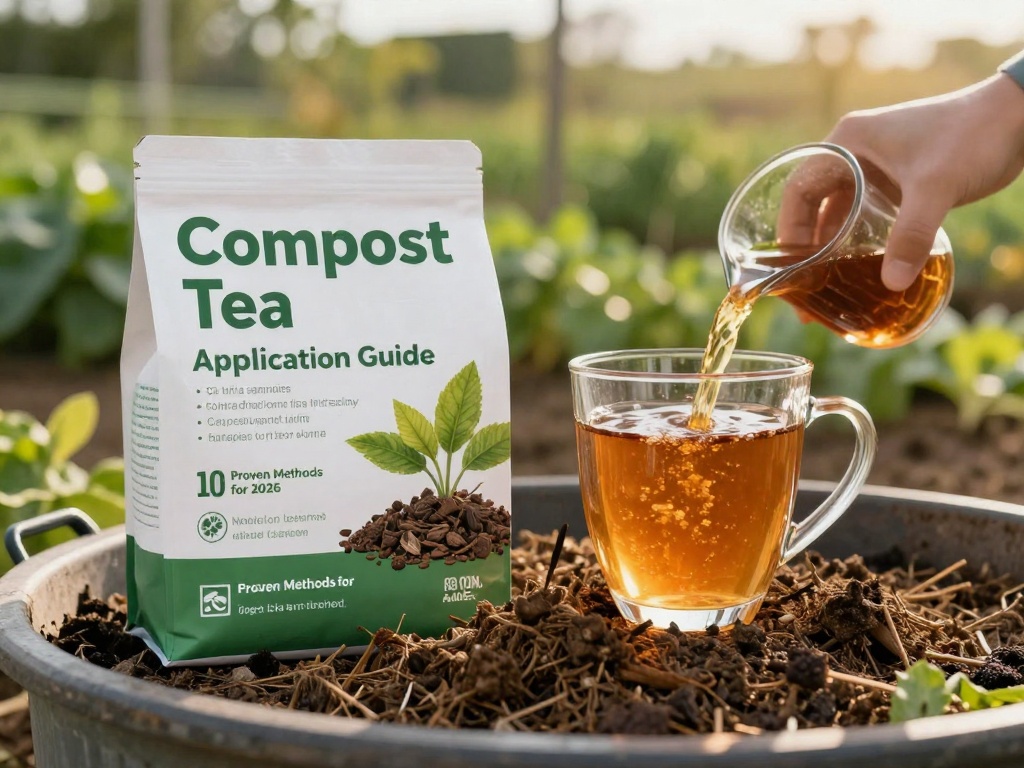
Compost Tea Application Guide: 10 Proven Methods for 2026
Compost tea is one of the most powerful organic fertilizers available to farmers and gardeners today. This comprehensive compost tea application guide will teach you exactly when to apply, how to brew the perfect batch, and the best methods for delivering beneficial microorganisms to your plants. Whether you are growing vegetables, fruits, or ornamental plants, mastering compost tea application can transform your garden's health naturally.
What is Compost Tea and Why It Matters
Compost tea is a liquid solution made by steeping finished compost in water. The process extracts beneficial bacteria, fungi, nematodes, and other microorganisms that support plant growth. Unlike synthetic fertilizers, compost tea feeds the soil ecosystem rather than just the plants.
Studies from agricultural universities show that regular compost tea applications can increase soil organic matter, improve water retention, and suppress plant diseases by up to 60%. This makes it an essential tool for anyone practicing sustainable agriculture.
Types of Compost Tea
- Aerobic Compost Tea – Brewed with oxygen for 24-48 hours, contains diverse beneficial microbes
- Anaerobic Compost Tea – Brewed without oxygen, simpler process but fewer microbial benefits
- Active Compost Tea – Includes supplemental nutrients like molasses for microbial food
- Fungal-Dominant Tea – Designed to increase fungal populations in your soil
How to Brew Quality Compost Tea
Before applying compost tea, you must brew it correctly. Poor brewing produces weak tea with few benefits. Follow these proven steps for optimal results.
Essential Equipment
- 5-gallon bucket or larger container
- Air pump with aquarium bubblers
- Unchlorinated water (let tap water sit 24 hours)
- Finished compost (1 part compost to 5 parts water)
- Molasses (1-2 tablespoons per gallon) for microbial food
The Brewing Process
Fill your container with dechlorinated water and add compost in a mesh bag or loose. Connect your air pump and bubble continuously for 24-48 hours. Maintain water temperature between 65-85°F for best microbial growth. Add molasses at the 12-hour mark to feed developing microorganisms.
The tea should smell earthy and pleasant. If it smells foul or anaerobic, discard it and start over. Finished tea must be used within 4-6 hours of brewing completion.
When to Apply Compost Tea
Timing your compost tea application correctly maximizes plant uptake and microbial survival. Different seasons and growth stages require specific approaches.
Best Times for Application
- Early Morning – Cooler temperatures reduce evaporation and allow better soil absorption
- Late Afternoon – Works well when morning application is not possible
- During Transplanting – Helps seedlings establish quickly
- After Rain – When soil is moist and ready to receive nutrients
Seasonal Application Schedule
Apply compost tea every 2-4 weeks during the growing season for maintenance. During planting season, apply at planting time and again two weeks later. Reduce applications in late summer to prepare plants for dormancy. In mild climates, you can continue light applications year-round.
10 Proven Application Methods
1. Soil Drench Method
The most common technique involves watering plants directly at the base. Dilute finished tea at a 1:1 ratio with water. Pour slowly around plant roots, allowing 1-2 cups per small plant and 1-2 gallons per larger plant. This method delivers microorganisms directly to the root zone.
2. Foliar Spray Application
Spray diluted tea directly onto plant leaves using a backpack sprayer or garden hose attachment. Use a finer dilution of 1:10 ratio to prevent leaf burn. Apply in early morning to allow leaves to dry before evening, reducing fungal disease risk.
3. Deep Root Injection
For trees and shrubs, use a soil injection probe to deliver undiluted tea directly to root zones. This method reaches deeper roots that surface watering cannot access. Apply monthly during the growing season for mature trees.
4. Seed Soaking Treatment
Soak seeds in diluted compost tea (1:10 ratio) for 2-4 hours before planting. This coats seeds with beneficial bacteria that colonize roots as they develop. Studies show seed treatment can increase germination rates by 15-20%.
5. Transplant Dip Method
Dip seedling root balls in undiluted tea before transplanting. This practice inoculates the new planting hole with beneficial microbes. Hold each plant for 5-10 seconds before placing in the hole.
6. Container Plant Irrigation
Replace regular watering with compost tea for potted plants every third watering. Use the soil drench method at 1:5 dilution for containers. Container plants deplete nutrients faster and benefit greatly from regular tea applications.
7. Lawn Application
Apply compost tea to lawns using a hose-end sprayer at 1:10 dilution. Cover grass evenly and water afterward to push microbes into the soil. Monthly lawn applications improve thatch breakdown and root development.
8. Compost Tea Bath for Bulbs
Before planting bulbs, soak them in compost tea for 30 minutes. This prevents rot and encourages strong root development. Plant immediately after soaking for best results.
9. Hydroponic System Integration
Add fully aerated compost tea directly to hydroponic reservoirs at 10% concentration. This introduces beneficial microbes that protect roots from pathogens. Change tea in systems every 7-10 days.
10. Compost Pile Activation
Spray compost tea onto finished compost piles to boost microbial activity before use. This accelerates decomposition and increases nutrient availability. Apply every few days when building new compost.
How Much Compost Tea to Apply
Applying too much or too little reduces effectiveness. Follow these guidelines based on plant type and size.
Application Rates by Plant Type
- Seedlings – 1-2 tablespoons per plant
- Small Vegetables – 1/4 to 1/2 cup per plant
- Established Vegetables – 1-2 cups per plant
- Perennials – 1 gallon per plant
- Trees and Shrubs – 2-5 gallons per plant
Always dilute tea before application unless using the transplant dip or seed soaking methods. A standard dilution of 1:4 to 1:10 works for most applications, with stronger concentrations reserved for foliar feeding.
Common Mistakes to Avoid
Even experienced gardeners make errors that reduce compost tea effectiveness. Knowing these pitfalls saves time and ensures better results.
- Using Chlorinated Water – Kills beneficial microorganisms immediately
- Brewing Too Long – Over-brewing creates anaerobic conditions
- Applying in Full Sun – UV light destroys exposed microbes
- Using Poor Compost – Low-quality input produces low-quality tea
- Storing Finished Tea – Microbes die within hours of brewing completion
Troubleshooting Poor Results
If your plants are not responding to compost tea applications, evaluate your brewing and application process. Check water quality first – municipal water often contains chlorine that kills microbes. Verify your compost source – it should smell earthy, not sour or rotten.
Examine your brewing equipment. Air pumps must run continuously during aerobic brewing. If temperatures drop below 60°F, microbial activity slows significantly. In cold climates, brew indoors or use a heated brewing system.
Combining Compost Tea with Other Organic Practices
Compost tea works synergistically with other organic growing methods. Combine it with companion planting to maximize garden health. Apply tea after mulching to help beneficial organisms move into the soil. Use alongside cover cropping to accelerate soil improvement.
Pair compost tea applications with top-dressing of finished compost for complete nutrition delivery. The tea activates dormant microbes in existing compost while adding fresh populations to the soil ecosystem.
Frequently Asked Questions
How often should I apply compost tea to my garden?
Apply compost tea every 2-4 weeks during the active growing season for maintenance. During critical growth periods like transplanting, flowering, and fruit development, increase frequency to every 7-14 days. Container plants may need weekly applications due to faster nutrient depletion.
Can I make compost tea without an air pump?
Yes, but aerobic tea requires oxygen to produce beneficial results. Without an air pump, you can steep compost for 5-7 days in still water, but the resulting tea will be anaerobic and less beneficial. Consider using a simple fish tank pump – they are inexpensive and dramatically improve results.
What is the ideal dilution ratio for compost tea?
Standard dilution ratios range from 1:4 for heavy-feeding plants to 1:10 for foliar applications. Start with 1:8 as a safe middle ground. For seed soaking and transplant dips, use undiluted tea. Always err on the side of dilution if uncertain – over-concentration rarely causes problems when properly diluted.
How long does brewed compost tea remain effective?
Compost tea must be used within 4-6 hours of brewing completion for maximum microbial viability. If you cannot use it immediately, continue aeration to maintain oxygen levels. Never store finished tea – the beneficial microorganisms die rapidly without oxygen and food sources.
No comments