
2026 Guide: Blueberry Netting for Bird Damage Prevention to Boost Yields
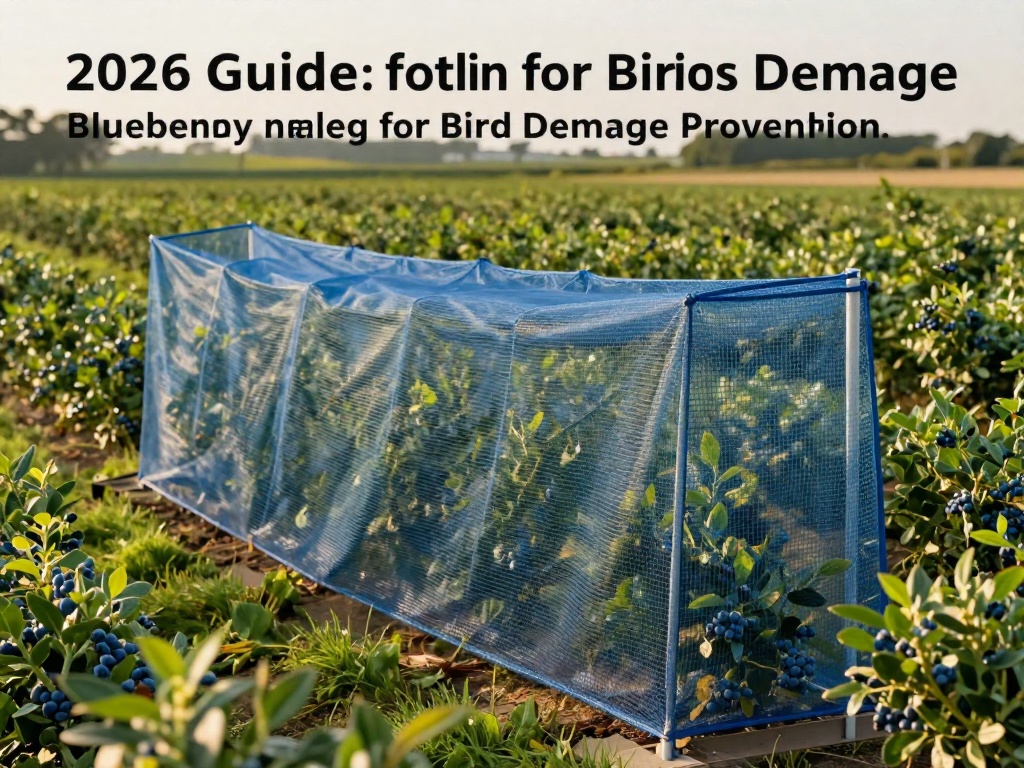
2026 Guide: Blueberry Netting for Bird Damage Prevention to Boost Yields
Blueberry netting for bird damage prevention is one of the most reliable investments small and commercial blueberry farmers can make to protect their high-value crops. USDA data shows that unprotected blueberry fields lose an average of 10-15% of annual yields to bird foraging, with some small-scale operations reporting losses as high as 30% during peak ripening seasons. Birds like cedar waxwings, starlings, and robins target ripe blueberries, stripping bushes in days if left unmanaged.
Why Blueberry Netting Outperforms Common Bird Deterrents
Many farmers test low-cost deterrents like scarecrows, reflective tape, or ultrasonic devices before investing in netting, but most of these solutions fail to deliver long-term protection. Birds quickly adapt to visual and audio deterrents, making them ineffective after just 2-3 weeks of use. Blueberry netting creates a physical barrier that birds cannot breach, eliminating the risk of adaptation.
Lower Long-Term Costs Than Alternative Solutions
A 2024 study from the University of Maine Extension found that high-quality blueberry netting pays for itself in 1-2 growing seasons, compared to disposable deterrents that require re-purchase and installation every year. Lasers or drone deterrent systems, while effective, can cost 10x more than netting for a 1-acre blueberry field.
Non-Toxic and Safe for All Wildlife
Unlike chemical bird repellents, blueberry netting poses no risk to birds, pollinators, or other non-target wildlife. Modern netting designs are also UV-stabilized and free of harmful chemicals that can leach into soil or impact fruit safety, aligning with organic farming certification requirements.
Works Consistently Through All Weather Conditions
Netting withstands heavy rain, wind, and summer heat, remaining effective throughout the entire 4-6 week blueberry ripening window. Unlike temporary deterrents that can be blown away or damaged by storms, properly installed netting stays in place to protect your crop through unexpected weather events.
How to Select and Install Blueberry Netting for Maximum Protection
Not all blueberry netting is created equal, and choosing the wrong product can leave gaps that birds exploit. Follow these guidelines to pick and install netting that delivers full protection for your crop.
Prioritize the Right Mesh Size for Common Local Birds
For most North American blueberry farms, a mesh size of ½ inch or smaller is ideal. This size blocks small birds like robins and waxwings, while still allowing enough sunlight and airflow to reach your blueberry bushes. Larger mesh sizes (over 1 inch) leave gaps that small birds can easily squeeze through to access fruit.
Match Netting Size to Your Operation’s Scale
Small-scale farmers with 10-50 bushes can opt for pre-cut bush-specific netting that wraps around individual plants for easy installation. Commercial growers with 5+ acres can invest in large roll netting that is suspended over entire rows, supported by posts or trellises to simplify removal and storage post-harvest.
Secure Edges to Eliminate Entry Points
The most common mistake new netting users make is leaving gaps along the bottom of the netting. Bury netting edges 2-3 inches under soil or weigh them down with sandbags to prevent birds from slipping under the barrier. For trellised row netting, add zip ties to secure all seams to avoid gaps from wind shifting.
Frequently Asked Questions
When is the best time to install blueberry netting to prevent bird damage?
Install netting 1-2 weeks before your blueberries begin to ripen, which is typically 2-3 weeks before harvest. This timing prevents birds from discovering your ripe crop and establishing persistent feeding patterns that are hard to break later in the season.
Can blueberry netting harm honeybees and other critical pollinators?
Properly sized netting with a ½ inch mesh does not harm pollinators, as bees can easily pass through the openings to access blueberry flowers. For additional safety, leave netting off during peak bloom to eliminate any small risk of disrupting pollination activity.
How long does high-quality blueberry netting last with regular use?
UV-stabilized, heavy-duty polypropylene netting lasts 5-7 years with proper post-harvest cleaning and storage. Lower-cost uncoated netting typically only lasts 1-2 growing seasons before it degrades from prolonged sun and weather exposure.
No comments