
10 Essential Pumpkin Organic Gardening Tips for Beginners
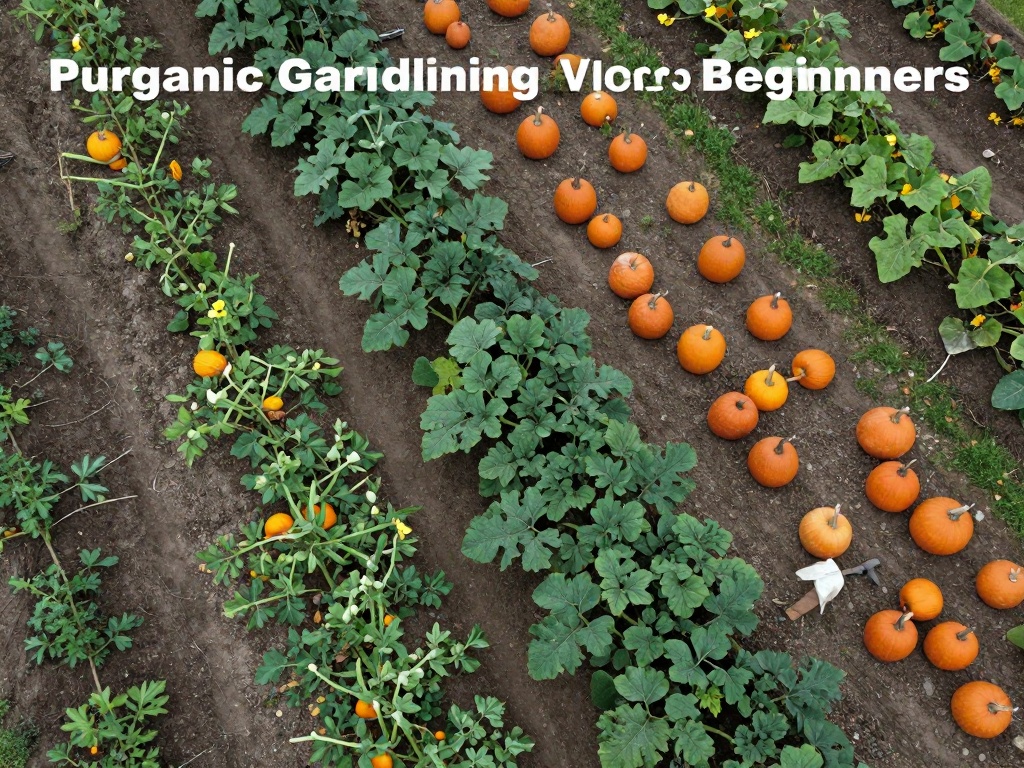
10 Essential Pumpkin Organic Gardening Tips for Beginners
Starting your pumpkin organic gardening for beginners journey is one of the most rewarding experiences in home agriculture. Pumpkins are not only versatile in the kitchen but also relatively forgiving for new gardeners who follow a few key principles. This guide covers everything you need to grow plump, healthy pumpkins using entirely organic methods.
Why Choose Organic Pumpkin Gardening?
Organic pumpkin gardening eliminates synthetic pesticides and chemical fertilizers, protecting both your family's health and the environment. Pumpkins grown organically tend to have richer flavor profiles and higher nutritional content. Additionally, organic practices improve soil health over time, creating a sustainable growing environment for years to come.
Benefits for Beginners
Pumpkins are excellent starter crops because they tolerate mild neglect and adapt to various conditions. They also produce impressive yields from just a few plants, giving beginners the satisfaction of harvesting something substantial. The large seeds are easy to handle, and the growing process is straightforward to follow.
1. Selecting the Right Pumpkin Variety
Choosing an appropriate variety makes or breaks your first attempt. For beginners, opt for compact bush varieties that require less space. Jack Be Little produces small ornamental pumpkins perfect for containers, while Small Sugar offers sweet flesh ideal for pies. Count on developing strong roots and vibrant vines regardless of your choice.
Best Beginner Varieties
- Jack Be Little: Miniature pumpkins, 60-70 days to harvest
- Small Sugar: Sweet pie pumpkins, 100-110 days
- Howden: Classic carving pumpkin, 110-115 days
- Lumina: White pumpkins, unique appearance, 100 days
2. Understanding Soil Requirements
Pumpkins thrive in well-draining, fertile soil with a pH between 6.0 and 6.8. Before planting, amend your garden bed with 3-4 inches of mature compost. This improves drainage in clay soils and water retention in sandy soils. Your soil should feel crumbly and rich, almost like chocolate cake crumbs.
Testing Your Soil
Conduct a soil test to determine nutrient levels and pH. Home test kits are affordable and provide valuable baseline information. Adjust pH using lime for acidic soil or sulfur for alkaline conditions. The investment in soil testing pays dividends throughout your growing season.
3. When and How to Plant Pumpkins
Plant pumpkin seeds directly outdoors 2-3 weeks after the last frost when soil temperatures reach 65°F (18°C). In cooler climates, start seeds indoors 3 weeks early using biodegradable pots to avoid transplant shock. Plant seeds 1 inch deep with the pointed end facing down for optimal germination.
Spacing Guidelines
Give pumpkin plants ample room to spread their vines. Bush varieties need 3-4 feet between plants, while trailing varieties require 5-6 feet. Proper spacing ensures good air circulation, reducing fungal disease risks and allowing each plant to access maximum sunlight.
4. Watering Techniques for Healthy Growth
Pumpkins need consistent moisture, requiring 1-2 inches of water weekly. Water deeply at the base of plants early in the morning, avoiding wetting the leaves. Drip irrigation systems work excellently for organic gardens, delivering water directly to roots while conserving resources. Reduce watering as pumpkins near harvest to prevent splitting.
Mulching Benefits
Apply 3-4 inches of organic mulch around pumpkin plants after germination. Straw, shredded leaves, or grass clippings work well. Mulch suppresses weeds, maintains soil temperature, and retains moisture. As it decomposes, it also adds organic matter to your soil.
5. Organic Fertilization Schedule
Feed pumpkins with balanced organic fertilizers throughout the growing season. At planting, mix compost into the soil. When vines begin running, side-dress with well-aged manure or fish emulsion. Avoid high-nitrogen fertilizers once flowering begins, as excess nitrogen promotes leaf growth over fruit development.
Signs of Nutrient Deficiency
Yellowing leaves indicate nitrogen deficiency, while purplish tint suggests phosphorus shortage. Pale leaves with green veins signal iron chlorosis. Address deficiencies promptly with targeted organic amendments like blood meal, bone meal, or kelp extract.
6. Natural Pest and Disease Management
Organic pest control protects beneficial insects while managing threats to your crop. Introduce ladybugs and lacewings to control aphids naturally. Handpick cucumber beetles and squash bugs when spotted. Use row covers until plants flower to exclude many common pests.
Common Pumpkin Pests
- Squash vine borers: Inject BT (Bacillus thuringiensis) into affected stems
- Squash bugs: Remove egg clusters from leaf undersides
- Aphids: Spray with neem oil or insecticidal soap
- Cucumber beetles: Use yellow sticky traps and row covers
7. Pollination and Fruit Set
Pumpkins produce separate male and female flowers, requiring pollination for fruit development. Bees transfer pollen between flowers naturally. If fruit fails to develop, hand-pollinate using a small paintbrush to transfer pollen from male to female blooms. Female flowers have a small fruit swelling at their base.
Improving Pollination Success
Plant pollinator-attracting flowers nearby to boost bee activity. Avoid pesticides during bloom periods. Hand-pollination in the morning when flowers fully open yields best results. Mark successfully pollinated fruits to track development time.
8. Supporting and Protecting Developing Pumpkins
As pumpkins grow, place them on boards or bricks to prevent ground rot. This elevates fruits above moist soil, protecting them from pests and fungal issues. Rotate developing pumpkins weekly for even shape development. Handle fruits gently to avoid stem damage.
Pruning Strategies
Pinching off the growing tip of vines encourages side branching and fruit development. Remove any yellowing or diseased leaves promptly. Limit each plant to 2-3 pumpkins for maximum size, directing plant energy toward fewer, larger fruits.
9. Knowing When to Harvest
Pumpkins are ready for harvest when the rind hardens and achieves full color. The stem should feel cork-like and begin to dry. Light frost damages ripe pumpkins, so harvest before first frost. Cut pumpkins from vines with several inches of stem intact.
Curing and Storage
Cure harvested pumpkins in a warm, dry location for 10-14 days to harden the skin. Store in a cool, dark place at 50-55°F with good ventilation. Properly cured pumpkins keep for 3-6 months. Check stored pumpkins weekly for signs of decay.
10. Saving Seeds for Next Season
Save seeds from open-pollinated or heirloom varieties for next year's garden. Scoop seeds from ripe pumpkins, rinse thoroughly, and dry on paper towels. Store completely dried seeds in labeled envelopes in a cool, dry location. Viable seeds remain for 6+ years when properly stored.
Frequently Asked Questions
What is the best month to plant pumpkin seeds?
Plant pumpkin seeds 2-3 weeks after your last expected frost when soil reaches 65°F. In most regions, this falls between late April and mid-June. Timing ensures seedlings avoid frost damage while having enough warm weather to mature before autumn.
How long does it take to grow pumpkins organically?
Most pumpkin varieties require 90-120 days from seed to harvest. Miniature varieties mature faster at 60-70 days, while large carving pumpkins need the full 120 days. Organic methods do not significantly affect growth timeline when proper care is provided.
Can you grow pumpkins in containers for beginners?
Yes, bush varieties and miniature pumpkins grow well in large containers (at least 15 gallons). Use quality potting mix, ensure excellent drainage, and provide consistent watering. Container-grown pumpkins need more frequent watering and feeding than garden-planted specimens.
Why are my pumpkin flowers falling off without producing fruit?
Poor fruit set typically results from lack of pollination, especially if bee activity is low. High nitrogen levels also cause excessive male flower production. Extreme temperatures (above 90°F or below 60°F) interfere with pollination. Hand-pollinate flowers and balance nitrogen fertilization to improve fruit set.
No comments