
7 Steps to Perfect Pruning Container Gardening in 2026
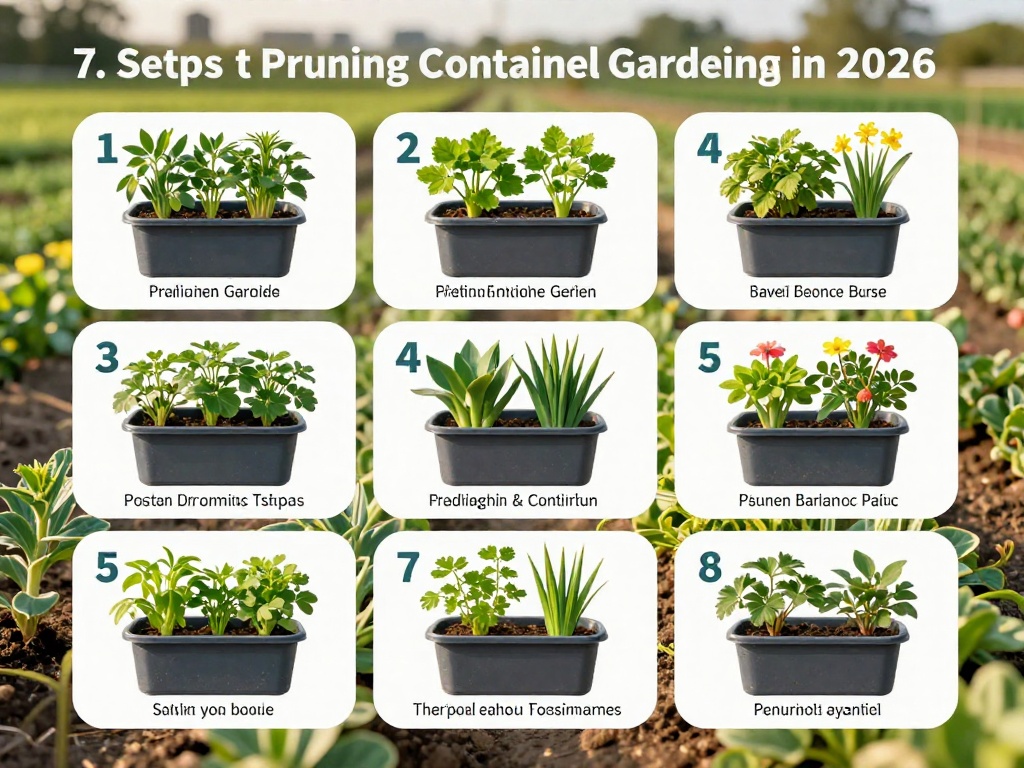
7 Steps to Perfect Pruning Container Gardening in 2026
Pruning container gardening is essential for maintaining healthy, beautiful potted plants. Unlike garden beds, container plants have limited space for root growth, making proper pruning even more critical for their survival and vitality. This step-by-step guide will walk you through everything you need to know about pruning your container plants effectively.
Why Pruning Matters for Container Plants
Container plants face unique challenges that make pruning container gardening techniques particularly important. When plants grow in confined spaces, they quickly become root-bound and stressed. Regular pruning helps manage their size, encourages new growth, and prevents disease from spreading through your potted collection.
Properly pruned container plants also produce more flowers and fruits because energy directs toward productive growth rather than maintaining excess foliage. Additionally, pruning improves air circulation, reducing the risk of fungal infections that thrive in the humid environment of patios and balconies.
Tools You'll Need for Container Plant Pruning
Before beginning your pruning container gardening journey, gather the right equipment. Sharp, clean tools make precise cuts that heal quickly and minimize plant stress. Invest in quality pruning shears for stems up to half an inch thick, handheld bypass pruners for detailed work, and a small saw for woody branches on established container shrubs.
Always sanitize your tools before moving between plants. A simple wipe with rubbing alcohol prevents the spread of diseases from one pot to another. This step becomes especially important when pruning multiple containers in your garden.
Essential Pruning Tools Checklist
- Bypass pruning shears (sharp, clean)
- Handheld snips for delicate work
- Rubbing alcohol for sanitization
- Clean cloth for tool maintenance
- Gloves for thorny plants
Step 1: Assess Your Plants Before Cutting
Begin by thoroughly examining each container plant. Look for dead, damaged, or diseased branches first. These problem areas should always be your priority during pruning container gardening sessions. Identify crossing branches that rub against each other, as these create wounds that invite pests and disease.
Take time to understand each plant's natural growth habit. Some container plants naturally grow in a bushier pattern, while others prefer a single-stem approach. Knowing your plant's growth style helps you make cuts that enhance rather than hinder its natural beauty.
Step 2: Remove Dead and Damaged Growth
Start pruning by removing all dead wood and damaged foliage. Cut dead branches back to healthy tissue, making your cut just above a outward-facing bud or branch junction. For damaged leaves, simply pinch them off at the stem. This initial cleanup immediately improves your plant's appearance and health.
When cutting diseased material, always sterilize your tools between cuts if the problem appears widespread. Dispose of all removed material away from your other containers to prevent contamination. This careful approach is fundamental to successful pruning container gardening.
Step 3: Thin Out Crowded Growth
Container plants often develop dense, crowded canopies that block light and reduce airflow. Thin the interior of your plants by removing entire branches at their point of origin. Focus on removing weak, thin branches that add little to the plant's structure while competing for resources.
Aim to create an open structure that allows light to penetrate all parts of the plant. This pruning container gardening technique ensures even growth and makes future maintenance easier. Leave three to five main stems on most herbaceous container plants for optimal health.
Step 4: Shape Your Container Plants
Once you've removed problematic growth, shape your plant according to your desired form. Maintain a natural appearance by varying cut lengths slightly. Avoid creating perfectly round shapes, as these look artificial and stress plants unnecessarily. Instead, follow the plant's inherent growth pattern.
For fruiting and flowering container plants, avoid heavy pruning that removes too much of the current season's growth. These plants set buds on old wood, so excessive cutting reduces your harvest or bloom display. Balance shaping needs with preserving productive growth.
Step 5: Prune at the Right Time
Timing significantly affects pruning container gardening success. Spring-blooming plants should be pruned immediately after flowering, while summer bloomers benefit from late winter or early spring pruning. Evergreen container plants generally tolerate light trimming throughout the growing season.
Avoid heavy pruning in fall, as this stimulates tender new growth that cold weather can damage. During active growing season, limit yourself to light maintenance cuts and deadheading. Understanding your specific plants' cycles ensures your pruning efforts produce positive results.
Best Pruning Times by Plant Type
- Spring bloomers: After flowering completes
- Summer bloomers: Late winter or early spring
- Fruiting plants: Dormant season or after harvest
- Evergreens: During active growth period
Step 6: Maintain Your Potted Plants After Pruning
Post-pruning care determines how well your container plants recover. Water thoroughly after pruning to help plants cope with the stress of cutting. Apply a balanced, diluted fertilizer about one week after pruning to support new growth emergence.
Monitor your pruned plants closely for the following two weeks. Some leaf drop is normal after significant pruning. However, widespread wilting, discoloration, or pest attraction may indicate problems requiring additional attention. Adjust your care routine based on how each plant responds.
Step 7: Establish a Regular Pruning Schedule
Consistent maintenance prevents the need for drastic corrective pruning. Most container plants benefit from light trimming every four to six weeks during the growing season. This regular attention keeps plants manageable in size while encouraging continuous, healthy growth.
Keep a simple log of pruning dates and observations for each container. This record helps you understand each plant's specific needs and refine your pruning container gardening approach over time. Consistent care produces far better results than occasional intensive sessions.
Common Pruning Mistakes to Avoid
Even experienced gardeners make errors during pruning container gardening. One frequent mistake involves cutting too close to the stem without leaving a small stub, which damages the branch collar and slows healing. Always leave a quarter-inch above the bud or branch junction when making directional cuts.
Another error involves using dull tools that crush rather than cut stems cleanly. Crush wounds take longer to heal and invite disease. Keep your pruning equipment sharp and properly maintained for clean, professional cuts that promote rapid recovery.
Benefits of Proper Container Plant Pruning
Regular, skilled pruning transforms your container garden entirely. Plants become denser, more vibrant, and produce abundant flowers and fruits. Your outdoor living spaces appear more polished and intentional when all containers feature well-maintained plants.
Pruning also extends the lifespan of your container plants significantly. Many potted plants decline after two to three years due to accumulated stress and disease. Proper pruning removes potential problems before they spread, keeping your plants healthy and attractive for much longer periods.
FAQ
When is the best time to prune container gardening plants?
The ideal pruning time depends on your specific plant type. Spring-blooming plants should be pruned after flowering, while most summer-blooming varieties respond best to late winter or early spring pruning. Avoid heavy pruning in fall as new growth may not harden before cold weather arrives.
How often should I prune my potted plants?
Light maintenance pruning every four to six weeks during the growing season keeps container plants in optimal condition. Major structural pruning should occur annually during the appropriate season for your specific plant type. Consistent, gentle pruning produces better results than occasional severe cuts.
Can I over-prune my container plants?
Yes, over-pruning weakens container plants by removing too much foliage that produces energy through photosynthesis. Never remove more than one-third of the plant's total growth at once. For most container plants, removing 10 to 20 percent of growth during a single session keeps them healthy while maintaining the desired size and shape.
No comments