
10 Essential Tips for Pepper Plant Care Indoor This Winter
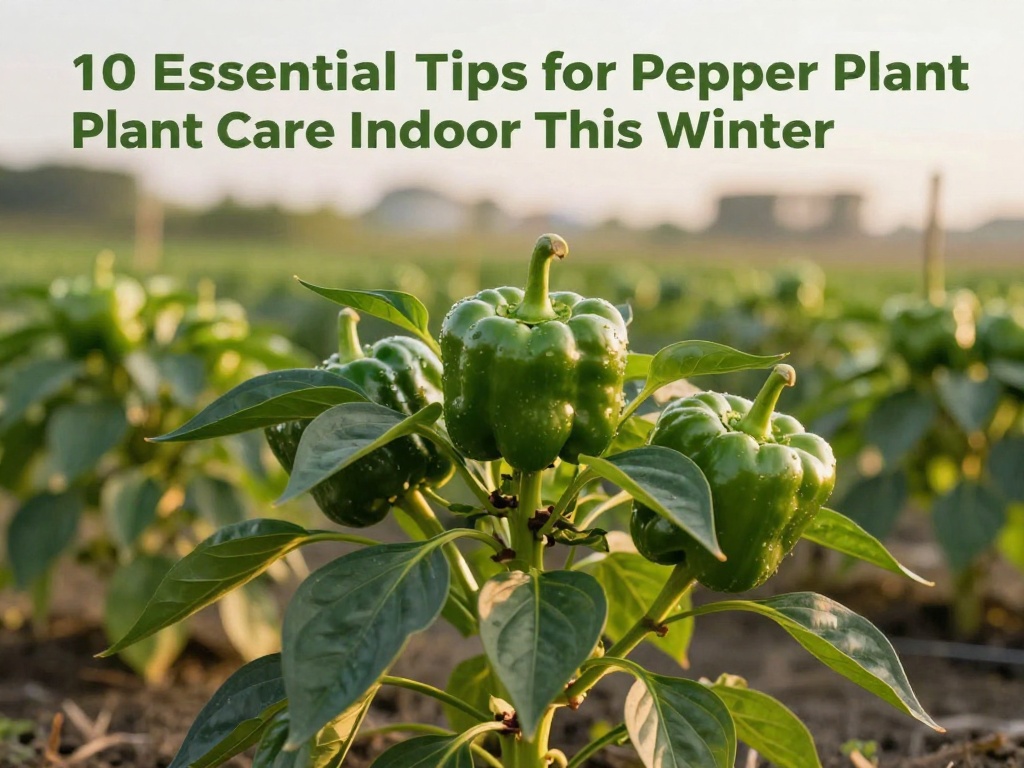
10 Essential Tips for Pepper Plant Care Indoor This Winter
Winter brings unique challenges for pepper plant care indoor winter growing enthusiasts. As temperatures drop outside, your pepper plants need extra attention to survive and thrive indoors until spring arrives. This comprehensive guide provides ten proven strategies to maintain healthy, productive pepper plants throughout the coldest months of the year.
Understanding Winter Challenges for Indoor Peppers
Indoor pepper cultivation during winter differs significantly from summer growing. Your plants face reduced sunlight, lower humidity levels, and temperature fluctuations that can stress even the healthiest specimens. Successful winter care requires understanding these challenges and addressing them proactively.
Light Requirements in Winter Months
Pepper plants require at least 6-8 hours of direct sunlight daily for optimal growth. During winter, natural light intensity decreases dramatically, especially in northern latitudes. Position your plants near south-facing windows to maximize light exposure. If natural light remains insufficient, supplement with full-spectrum grow lights positioned 6-12 inches above the plant canopy.
Temperature Considerations
Pepper plants thrive in temperatures between 65-85°F (18-29°C). Indoor heating systems can create uneven temperature zones that stress plants. Maintain consistent temperatures by keeping peppers away from drafty doors, radiators, and heating vents. Sudden temperature drops below 55°F (13°C) can cause leaf discoloration and stunt growth.
The 10 Critical Care Tips for Winter Pepper Plants
1. Optimize Your Growing Location
Selecting the right location determines your winter pepper success. South-facing windows provide the most consistent light throughout winter. Consider using reflective surfaces like aluminum foil or white backgrounds to maximize light distribution. A dedicated growing corner with consistent conditions works better than random placement throughout your home.
2. Implement Supplemental Lighting
Natural winter light rarely meets pepper plant requirements without supplementation. LED grow lights specifically designed for vegetable growth provide the full spectrum peppers need for photosynthesis. Run lights for 12-14 hours daily, simulating summer daylight hours. Timer-controlled systems ensure consistent lighting schedules that support healthy growth patterns.
3. Adjust Watering Practices
Winter indoor conditions slow water evaporation and plant uptake. Reduce watering frequency compared to summer months while maintaining consistent soil moisture. Water only when the top inch of soil feels dry to the touch. Overwatering during winter ranks among the most common mistakes in pepper plant care indoor winter growing, leading to root rot and fungal problems.
4. Maintain Proper Humidity Levels
Indoor heating systems dramatically reduce humidity, creating stressful conditions for pepper plants. Target humidity levels between 40-60% for optimal growth. Group plants together to create a more humid microclimate, or use humidity trays filled with pebbles and water beneath your pots. Occasional misting provides temporary relief but should not replace consistent humidity management.
5. Fertilize Strategically
Winter-grown peppers require reduced fertilizer applications compared to active summer growth. Apply half-strength balanced fertilizer every 3-4 weeks during winter months. Avoid high-nitrogen fertilizers that promote leggy growth at the expense of flowering and fruiting. A fertilizer with higher phosphorus and potassium ratios supports root development and plant health during this dormant period.
6. Monitor for Pests Vigilantly
Indoor environments during winter create ideal conditions for common pepper pests. Watch for aphids, spider mites, whiteflies, and fungus gnats that thrive in heated indoor spaces. Inspect plants weekly, checking undersides of leaves and stem junctions. Early detection prevents infestations from spreading and damaging multiple plants.
7. Prune for Health and Productivity
Strategic pruning improves air circulation and redirects plant energy to productive growth. Remove yellowing leaves, leggy branches, and any dead material promptly. Pinch growing tips to encourage bushier growth and more branching. Winter pruning maintains compact, manageable plants while preparing them for vigorous spring growth.
8. Provide Adequate Air Circulation
Stagnant air promotes fungal diseases and creates uneven growing conditions. Position a small fan nearby to maintain gentle air movement around your pepper plants. This circulation strengthens stems, reduces disease pressure, and helps maintain consistent temperatures and humidity levels throughout the growing space.
9. Choose Appropriate Containers
Container size directly impacts root health and plant vigor during winter. Select pots with adequate drainage holes, using containers that accommodate root growth without excessive soil volume that retains too much moisture. Terra cotta pots offer excellent breathability, while plastic containers retain moisture longer in dry winter conditions.
10. Plan for Spring Transition
Successful winter pepper care prepares plants for the transition back outdoors in spring. Harden off indoor-grown peppers gradually over 2-3 weeks before permanent outdoor placement. This process prevents transplant shock and sun damage. By spring, well-cared-for winter peppers will be positioned for explosive growth and abundant fruiting.
Common Winter Pepper Problems and Solutions
Yellowing Leaves
Leaf yellowing during winter often indicates overwatering, nutrient deficiency, or insufficient light. Assess your watering schedule first, reducing frequency if soil remains consistently wet. If light levels seem adequate, apply a balanced liquid fertilizer at half strength. Move plants closer to light sources or increase supplemental lighting duration.
Leaf Drop
Sudden leaf drop signals environmental stress from temperature extremes, drafts, or dramatic light changes. Check for cold drafts near windows or heating vents causing temperature fluctuations. Maintain consistent conditions and avoid moving plants unnecessarily. Most pepper plants recover from moderate leaf drop once stress factors are eliminated.
Leggy Growth
Insufficient light causes elongated, weak stems with sparse foliage. This symptom indicates plants are stretching toward available light sources. Increase supplemental lighting duration and intensity immediately. Prune leggy growth to encourage bushier development and position lights closer to the plant canopy.
Best Pepper Varieties for Indoor Winter Growing
Not all pepper varieties adapt equally well to indoor winter conditions. Compact, smaller-fruited varieties perform best in limited indoor spaces with reduced light. Sweet bell peppers, banana peppers, and small hot peppers like Thai chilies and habaneros adapt reasonably well to container growing indoors.
Dwarf pepper varieties specifically bred for containers offer the best indoor performance. These compact plants produce proportionally smaller fruits while maintaining manageable growth habits. Consider varieties like Pot-a-Peño, Mohawk Peppers, or ornamental chilies that combine attractive foliage with productive fruiting.
Watering Schedule for Winter Pepper Care
Establishing an appropriate winter watering schedule requires observation and adjustment. Indoor pepper plants typically need watering every 5-7 days during winter, compared to daily or every-other-day watering during summer. Check soil moisture before each watering by inserting your finger one inch deep into the potting mix.
Water thoroughly until excess drains from the bottom of the container, then allow the soil to dry appropriately before watering again. Consistent, moderate watering supports healthy root development while preventing the moisture extremes that cause root problems and plant stress.
FAQ
How often should I water pepper plants indoors during winter?
Indoor pepper plants typically need watering every 5-7 days during winter, but this varies based on your home's humidity and temperature. Always check soil moisture by inserting your finger one inch deep before watering. Only water when the top inch of soil feels dry, as overwatering causes more problems than underwatering during winter months.
What temperature is too cold for indoor pepper plants?
Pepper plants suffer damage when temperatures drop below 55°F (13°C). Maintain indoor temperatures between 65-85°F (18-29°C) for optimal growth. Keep plants away from cold windows, drafty doors, and heating vents that create temperature fluctuations. Consistent, moderate temperatures support healthy winter growth.
Do pepper plants need grow lights indoors during winter?
Yes, most indoor locations require supplemental grow lights for pepper plants during winter. Natural winter light typically provides only 30-50% of summer light intensity. Supplement with full-spectrum LED grow lights for 12-14 hours daily to meet pepper plant requirements. Position lights 6-12 inches above plants for optimal coverage.
Why are my indoor pepper plant leaves turning yellow?
Yellowing leaves on indoor peppers during winter usually indicate overwatering, nutrient deficiency, or insufficient light. First, reduce watering frequency if soil remains constantly wet. Apply half-strength balanced fertilizer if you haven't fed plants recently. Finally, increase light exposure through windows or supplemental grow lights.
Can pepper plants produce fruit indoors during winter?
Pepper plants can produce fruit indoors during winter under optimal conditions, though production typically decreases without summer sunlight intensity. Focus on maintaining plant health rather than expecting heavy fruiting during darkest winter months. As light increases in late winter and early spring, flowering and fruiting naturally intensify.
No comments