
Garlic Spacing for Large Bulb Yields: 2024 Pro Guide to Boost Your Harvest
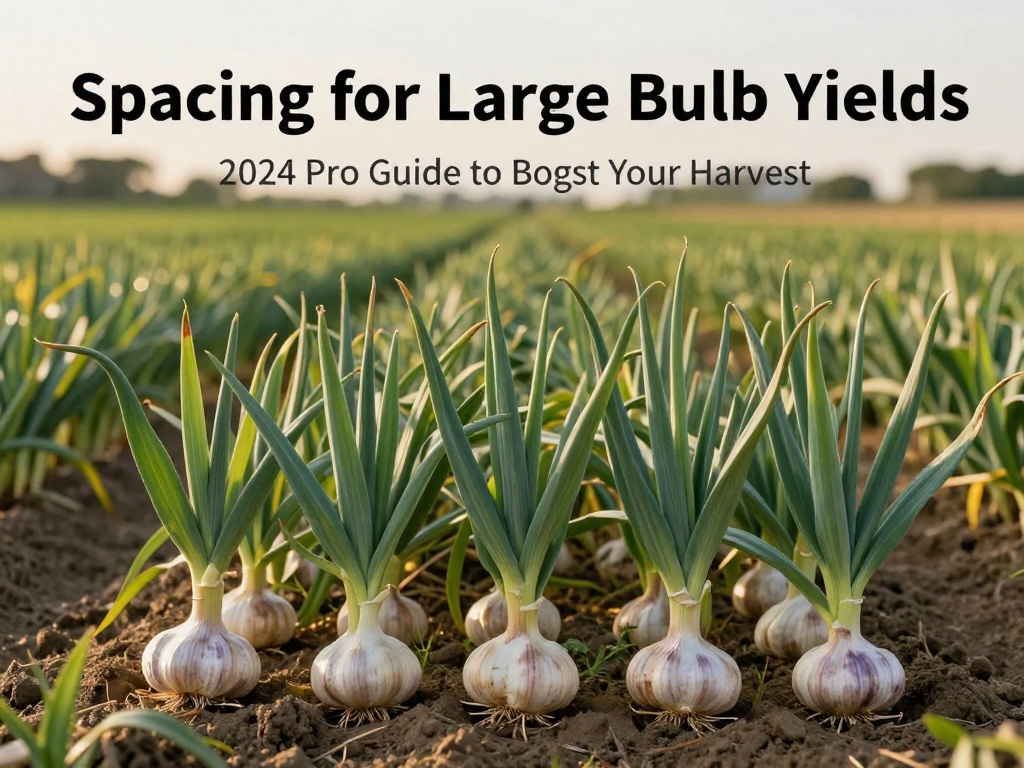
Garlic Spacing for Large Bulb Yields: 2024 Pro Guide to Boost Your Harvest
If you’ve grown garlic only to harvest small, underdeveloped bulbs, the problem often boils down to improper plant placement. Mastering garlic spacing for large bulb yields is one of the most low-effort, high-reward adjustments you can make to your garden or small farm routine. Garlic is a heavy feeder that competes intensely for sunlight, water, and soil nutrients, so cramped spacing stunts growth before bulbs even begin to size up.
Why Garlic Spacing Directly Impacts Bulb Size
Spacing isn’t just a way to organize your garden—it directly impacts every stage of garlic’s growth cycle. Three core factors link spacing to final bulb size, all backed by university extension research for small-scale and home growers.
Sunlight Access for Sustained Photosynthesis
Garlic leaves require 6-8 hours of full sun daily to produce enough energy to plump up underground bulbs. If cloves are planted too close, neighboring leaves will shade each other, cutting down on the photosynthesis needed for large bulb development. A 2023 study from the University of Illinois Extension found that shaded garlic plants produce bulbs 30% smaller than those with unobstructed sun access.
Nutrient and Water Competition
Garlic roots spread 4-6 inches wide underground to pull nitrogen, phosphorus, and potassium from soil. When cloves are spaced too tightly, their root systems overlap, forcing each plant to fight for limited resources. Even with regular fertilization, cramped root zones lead to stunted bulb growth by mid-spring, when garlic enters its critical bulbing stage.
Airflow to Prevent Fungal Disease
Poor spacing traps moisture around garlic leaves and stems, creating the perfect environment for common fungal diseases like rust and white rot. These diseases weaken plants, preventing them from channeling energy into bulb development. Proper spacing cuts disease risk by 40%, according to Ohio State University’s 2024 small farms guide, leading to more healthy, large bulbs at harvest.
Optimal Spacing Standards for Hardneck and Softneck Garlic
Not all garlic varieties have the same space requirements. The two most common commercial and home garden types, hardneck and softneck garlic, need slightly different spacing to reach their full potential.
Hardneck Garlic Spacing
Hardneck garlic, which produces large, easy-to-peel cloves and edible scapes, needs more space to reach its full size. Plant individual hardneck cloves 6 inches apart within rows. This spacing accommodates their larger mature bulb size and extensive root system, supporting yields of 2-3 inch diameter bulbs, the standard for marketable large garlic.
Softneck Garlic Spacing
Softneck garlic, the variety most commonly found in grocery stores, has a smaller root system and can be planted slightly closer. Space softneck cloves 4 inches apart within rows. Softneck’s ability to thrive in tighter spacing makes it ideal for home gardeners looking to maximize the number of plants in a small garden bed, while still producing large, long-storing bulbs.
Universal Row Spacing for All Varieties
Regardless of garlic type, leave 12-18 inches between garlic rows. This wide gap allows you to easily weed between plants, water evenly, and give foliage enough room to spread without overlapping. If you use raised beds that eliminate dedicated rows, space all cloves 4-6 inches apart across the entire bed, adjusting for your garlic’s variety.
Common Spacing Mistakes That Ruin Yields
Even experienced growers can make spacing errors that cut their garlic harvest size and weight. Avoid these three common mistakes to get the most out of your crop.
Planting Cloves Too Close to Save Space
Many new gardeners plant cloves too close together to fit more plants in their garden, assuming all will grow to full size. This is the most common mistake that leads to small, unmarketable bulbs. Even if you only grow garlic for personal use, cramped spacing will cut your total edible harvest weight by 25% or more, per University of Maine Extension data.
Over-Separating Cloves and Wasting Garden Space
On the other end of the spectrum, planting cloves 10+ inches apart wastes valuable garden space that could be used for more garlic or complementary companion plants. Garlic’s shallow root system doesn’t need that much space, so over-spacing leads to unused nutrients and sunlight that could support more large bulbs.
Frequently Asked Questions
Can I plant garlic with companion plants to save space without reducing bulb size?
Yes, compatible companion plants like lettuce, spinach, and kale grow well alongside garlic without competing for resources. These shallow-rooted leafy greens mature before garlic bulbs begin to size up, so you can interplant them to use garden space efficiently without harming garlic yields.
Does mulching affect how much space I need to leave between garlic cloves?
Mulching helps retain soil moisture and suppress weeds, but it doesn’t change the required spacing for garlic. Even with high-quality mulch, garlic roots and foliage still need the same amount of space to access nutrients and sunlight. Mulch supports better growth, but it won’t offset the negative effects of cramped spacing.
Can I adjust spacing if I have nutrient-rich, amended soil?
If you have rich, loamy soil amended with compost and organic fertilizers, you can reduce spacing by 1 inch for both hardneck and softneck garlic. Your soil’s high nutrient content can support more plants in a smaller area, letting you maximize your harvest of large bulbs without risking stunted growth.
No comments