
ZZ Plant Care Organic Method: 2026 Guide for Beginners
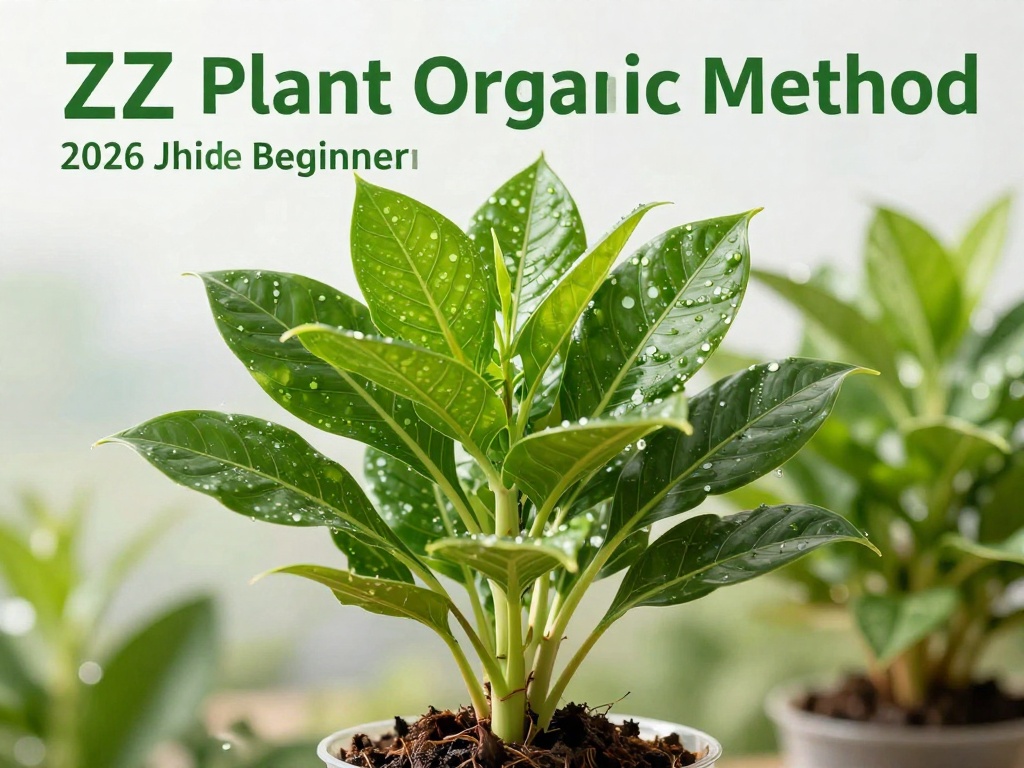
ZZ Plant Care Organic Method: 2026 Guide for Beginners
The zz plant (Zamioculcas zamiifolia) stands as one of the most resilient houseplants available to indoor gardeners. Its glossy, dark green leaves and ability to thrive in challenging conditions make it perfect for beginners and busy plant parents. This comprehensive guide reveals the organic method for zz plant care that keeps your plant healthy while maintaining an all-natural approach to plant nutrition and pest management.
Understanding how to apply organic principles to zz plant care ensures your plant receives proper nutrition without synthetic chemicals. The zz plant's native habitat in Eastern Africa provides clues about its preferred growing conditions and natural adaptation strategies.
Understanding Your ZZ Plant's Natural Origins
The zz plant originated in the drought-prone regions of Eastern and Southern Africa, where it evolved to store water in its thick rhizomes. This natural adaptation makes it exceptionally drought-tolerant and perfect for those who occasionally forget to water. Organic care methods work with these natural tendencies rather than against them.
Native Environment Characteristics
In the wild, zz plants grow beneath forest canopies where they receive filtered light and periods of drought. The soil in these regions tends to be rocky and well-draining, containing decomposed organic matter from fallen leaves and vegetation. Replicating these conditions through organic methods creates the ideal growing environment.
Rhizome Function and Health
The underground rhizome serves as the plant's water and nutrient storage system. Organic matter in the soil feeds beneficial microorganisms that protect the rhizome from rot and disease. Maintaining rhizome health through organic means ensures long-term plant vitality and consistent growth.
Organic Soil Mix for ZZ Plants
Creating the perfect organic soil mix forms the foundation of successful zz plant care. Commercial potting soils often contain synthetic additives that contradict organic gardening principles. Building your own blend gives you complete control over ingredients while supporting beneficial soil biology.
Recommended Organic Soil Components
- Two parts coconut coir or peat moss for moisture retention
- One part perlite or pumice for drainage and aeration
- One part well-aged compost for slow-release nutrition
- Half part organic worm castings for beneficial microorganisms
- Half part charcoal for soil health and odor prevention
Soil Drainage Requirements
ZZ plants absolutely require excellent drainage to prevent root rot. Standing water in the root zone causes rapid deterioration of the rhizome. The organic soil mix should drain within seconds of watering, leaving the medium moist but never waterlogged. This drainage-first approach represents the core principle of organic zz plant care.
Watering Techniques: The Organic Approach
Overwatering remains the primary cause of zz plant death, even among experienced gardeners. The organic method emphasizes mimicking natural rainfall patterns while respecting the plant's drought tolerance. Understanding when and how to water organically separates thriving zz plants from struggling ones.
Determining Watering Frequency
Allow the soil to dry completely between waterings, typically every 2-3 weeks depending on environmental conditions. During winter months or in low-light situations, extend the interval between waterings to 4-5 weeks. The finger test provides the most reliable method: insert your finger 2 inches into the soil, and water only when it feels completely dry.
Organic Water Quality Considerations
Tap water often contains chlorine and fluoride that can accumulate in soil over time. Collecting rainwater or allowing tap water to sit uncovered for 24 hours before use removes chlorine naturally. Adding a small amount of compost tea to your watering routine introduces beneficial microorganisms that help neutralize salts and improve soil health.
Organic Fertilization Methods
ZZ plants have modest nutritional needs compared to heavy-feeding houseplants, making organic fertilization particularly suitable. The goal of organic zz plant care is providing slow, steady nutrition that feeds the soil ecosystem rather than forcing rapid growth.
Compost Tea Application
Compost tea provides a gentle, beneficial boost to zz plant nutrition. Steep one cup of quality compost in one gallon of water for 24-48 hours, stirring occasionally. Strain and apply the liquid directly to the soil once monthly during the growing season (spring through summer). This organic method delivers trace minerals and beneficial bacteria directly to the root zone.
Worm Castings as Organic Fertilizer
Worm castings represent an excellent slow-release organic fertilizer for zz plants. Top-dress the soil surface with a thin layer (approximately one-quarter inch) of worm castings every 2-3 months. The castings slowly release nutrients with each watering, providing consistent nutrition without the risk of fertilizer burn that accompanies synthetic products.
Organic Liquid Fertilizers
Diluted liquid kelp or seaweed extract provides micronutrients that support overall plant health. Apply at half the recommended strength once monthly during active growth. These organic products enhance the plant's natural resistance to stress and disease while providing essential trace elements.
Light Requirements for Optimal Growth
ZZ plants demonstrate remarkable versatility regarding light conditions, thriving in everything from low-light corners to bright indirect sun. Understanding how light affects organic zz plant care helps you position your plant for maximum health and growth.
Ideal Light Conditions
Bright, indirect light produces the fastest growth and most vibrant foliage coloration. East or north-facing windows provide ideal conditions in most homes. However, zz plants adapt remarkably well to low-light areas, making them excellent choices for offices, bathrooms, and rooms with limited natural light.
Protecting from Direct Sunlight
While zz plants tolerate low light admirably, intense direct sunlight can scorch their leaves and cause yellowing. If growing near south or west-facing windows, filter the light with a sheer curtain. This organic approach to light management prevents stress that makes plants more susceptible to pests and disease.
Natural Pest Control for ZZ Plants
One advantage of zz plants is their relative resistance to pests compared to other houseplants. However, occasional infestations may occur. The organic method for pest management focuses on prevention and natural remedies rather than chemical interventions.
Common ZZ Plant Pests
Mealybugs, scale insects, and spider mites occasionally affect zz plants, particularly those stressed by improper care or brought home from infested garden centers. Regular inspection of leaf undersides and stem joints helps catch infestations early when organic treatments prove most effective.
Organic Pest Treatment Solutions
- Neem oil spray applied every 7-10 days eliminates most soft-bodied pests
- Insecticidal soap disrupts pest cell membranes on contact
- Diatomaceous earth sprinkled on soil deters soil-dwelling insects
- Rubbing alcohol applied with cotton swabs removes visible mealybugs and scale
Prevention Through Plant Health
Strong, healthy zz plants resist pest infestations more effectively than stressed specimens. Maintaining proper watering, adequate light, and regular organic fertilization creates plants naturally resistant to common pests. Prevention through excellent care remains the most effective organic pest management strategy.
Temperature and Humidity Management
ZZ plants adapt well to typical indoor temperature ranges, thriving between 60-75°F (15-24°C). Their tolerance for low humidity makes them ideal for heated homes during winter months when humidity drops significantly.
Seasonal Care Adjustments
Reduce watering frequency during winter when growth slows naturally. Avoid placing zz plants near heating vents, air conditioning units, or drafty windows that experience temperature fluctuations. These small adjustments in your organic zz plant care routine accommodate seasonal changes in the plant's needs.
Repotting with Organic Methods
ZZ plants require repotting only when they visibly strain against their containers or when roots emerge from drainage holes. The organic method extends to repotting procedures and post-repotting care.
When to Repot
Signs that your zz plant needs repotting include roots circling the pot interior, water running straight through without absorption, or the plant lifting entirely from its container when lifted. Repot only during spring or early summer when the plant can recover quickly from the disturbance.
Organic Repotting Process
Select a container only 1-2 inches larger than the current pot to prevent overwatering issues in excessive soil volume. Fill the bottom third with your organic soil mix, position the plant at the same depth as before, and fill around the sides. Water lightly and place in indirect light for 1-2 weeks to reduce transplant stress.
Troubleshooting Common ZZ Plant Issues
Even with excellent organic care, zz plants occasionally develop problems. Understanding the organic approach to diagnosis and treatment helps you address issues quickly and effectively.
Yellowing Leaves
Yellow leaves typically indicate overwatering, though nutrient deficiencies or excessive direct light can also cause yellowing. Adjust your watering schedule and verify proper drainage. If using synthetic fertilizers, switch to organic methods which provide more balanced nutrition.
Brown Leaf Tips
Brown tips often result from low humidity, salt buildup in soil, or fluoride sensitivity from tap water. Flush the soil thoroughly with filtered water, improve humidity around the plant, and transition to organic watering practices.
Drooping or Mushy Stems
Drooping stems with mushy bases signal serious overwatering and potential rhizome rot. Reduce watering immediately, ensure excellent drainage, and trim affected portions with sterilized tools. Severe cases may require propagation of healthy leaf cuttings to save the plant.
Long-Term Benefits of Organic ZZ Plant Care
Choosing organic methods for zz plant care provides advantages beyond simple plant health. Organic practices support environmental sustainability, improve indoor air quality naturally, and create a healthier living environment for your family and pets.
Environmental Impact
Organic houseplant care reduces chemical runoff into water systems and eliminates synthetic fertilizer production's carbon footprint. By avoiding synthetic products, you contribute to cleaner waterways and reduced environmental pollution from garden chemical manufacturing.
Pet and Child Safety
While zz plants are toxic if ingested, organic care methods reduce additional chemical exposure in your home. This consideration matters particularly for households with curious pets or young children who might contact treated plant surfaces.
Summary: Mastering Organic ZZ Plant Care
Successfully growing zz plants using organic methods requires understanding the plant's natural adaptations and providing conditions that support its inherent resilience. Focus on creating well-draining organic soil, watering only when completely dry, and providing gentle organic nutrition through compost tea and worm castings.
Natural pest management through neem oil and insecticidal soap keeps infestations under control without harmful chemicals. With consistent application of these organic principles, your zz plant will thrive for years, demonstrating that beautiful houseplants don't require synthetic intervention.
Frequently Asked Questions
How often should I water my zz plant using the organic method?
Water your zz plant only when the soil dries completely, typically every 2-3 weeks during growing season and every 4-5 weeks during winter. The organic method emphasizes deep, thorough watering followed by extended drying periods to promote healthy rhizome development.
Can I use kitchen scraps to make organic fertilizer for my zz plant?
Yes, banana peel tea and coffee ground compost provide excellent organic nutrition for zz plants. Steep banana peels in water for 48 hours and use the liquid diluted at half strength. Add coffee grounds sparingly to compost, never directly to the soil, as excessive acidity can harm the plant.
What is the biggest mistake beginners make with zz plant care?
Overwatering represents the most common fatal mistake. ZZ plants store water in their rhizomes and prefer drought conditions over consistently moist soil. Many beginners water on a strict schedule rather than checking soil moisture first, leading to root rot and plant death.
How long does it take to see results from organic zz plant care?
New leaf growth typically appears within 4-6 weeks when the plant receives proper organic care. However, zz plants naturally grow slowly, producing only 2-3 new stems annually under ideal conditions. Patience is essential, as organic methods produce steady, sustainable growth rather than rapid forced growth.
Is neem oil safe for organic pest control on zz plants?
Neem oil is completely safe for organic pest control when properly diluted. Mix one teaspoon of neem oil with one quart of water and a few drops of mild liquid soap. Apply to all plant surfaces every 7-10 days until pests disappear. Always test on a small leaf area first to check for sensitivity.
How much does organic zz plant care cost compared to conventional methods?
Organic zz plant care costs less long-term once you establish your soil mix and organic amendments. Initial investment includes quality compost, worm castings, and a watering can. These supplies last for multiple plants and seasons, while organic fertilizers like compost tea cost almost nothing to produce at home.
Can I grow zz plants organically in low-light conditions?
Absolutely. ZZ plants thrive in low-light conditions using organic methods, though growth will be slower than in bright indirect light. Reduce watering frequency in low light, and avoid fertilizing during winter months when the plant naturally rests. The organic approach adapts easily to various light conditions.
What organic method works best for zz plant propagation?
Leaf cuttings in water or soil provide the most successful organic propagation method. Place healthy leaves in filtered water, changing it weekly, or insert them directly into moist organic potting mix. Roots develop within 2-3 months using this natural approach, though complete plants may take 6-12 months to form.
No comments