
Carrots Organic Gardening in Sandy Soil: 10 Expert Tips
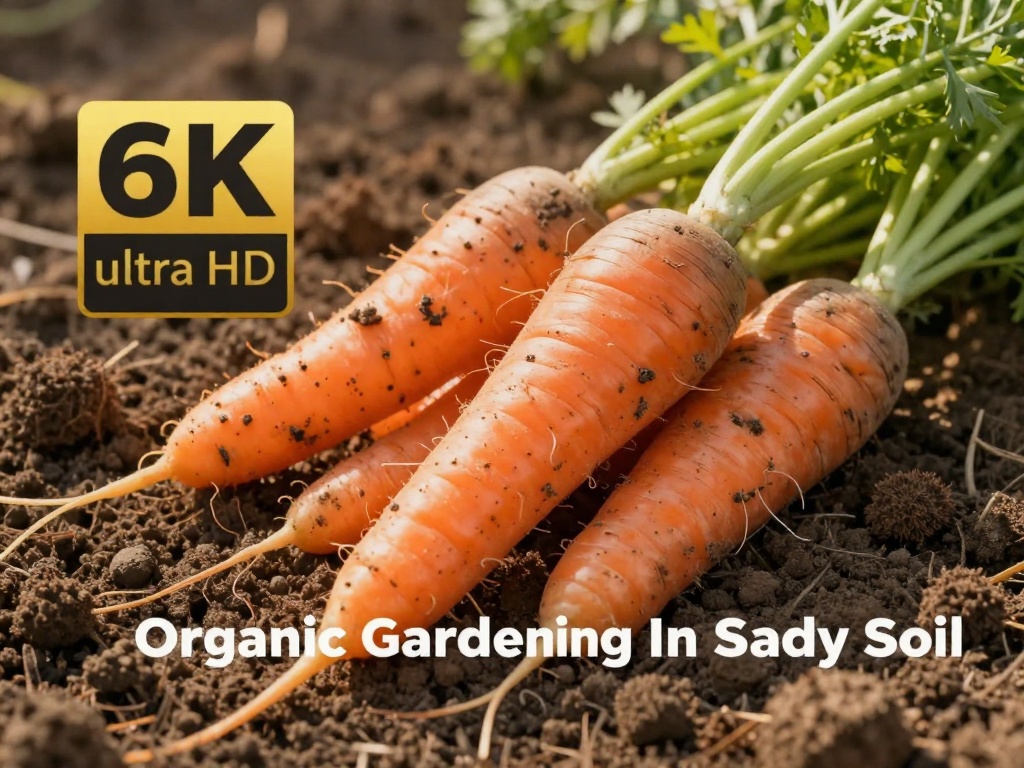
Carrots Organic Gardening in Sandy Soil: 10 Expert Tips
Carrots organic gardening in sandy soil offers exceptional advantages for home growers seeking straight, sweet, and flavorful roots. Sandy soil's natural drainage and loose structure create the perfect underground environment for carrot development. This comprehensive guide reveals professional techniques to maximize your organic carrot harvest in sandy conditions.
Why Sandy Soil Is Ideal for Carrots
Sandy soil provides unmatched benefits for carrot cultivation. The loose particle structure allows carrot roots to penetrate deep without resistance, producing straight and uniform shapes. Excellent drainage prevents waterlogging and root rot, while the warm soil temperature accelerates germination and growth.
Organic gardeners appreciate sandy soil's naturally low fertility, which means fewer weeds and reduced competition. Carrots thrive when they can focus energy on root development rather than fighting invasive plants. The excellent aeration promotes beneficial soil microorganisms essential for nutrient cycling.
Key Advantages of Sandy Growing Conditions
- Perfect drainage eliminates standing water problems
- Loose texture prevents forking and deformed roots
- Warms quickly in spring for earlier planting
- Natural weed suppression reduces maintenance
- Easy harvest with minimal root damage
Preparing Your Sandy Soil Organically
Successful carrots organic gardening in sandy soil begins with proper preparation. Start by testing your soil's pH level—carrots prefer slightly acidic to neutral conditions between 6.0 and 6.8. Amend sandy soil with aged compost to boost moisture retention and nutrient availability.
Work organic matter into the top 12 inches of soil using a garden fork or broadfork. Avoid fresh manure, which causes forking and bitter flavors. Apply finished compost at two inches deep and incorporate thoroughly. This creates a moisture-retentive yet free-draining growing medium.
Essential Soil Amendments for Sandy Beds
- Aged compost for organic matter and nutrients
- Coconut coir for moisture retention
- Rock phosphate for root development
- Green sand for potassium and micronutrients
- Cover crop residue for soil structure
Choosing the Best Carrot Varieties for Sandy Soil
Not all carrot varieties perform equally in sandy conditions. Select disease-resistant cultivars bred for straight, uniform growth. Nantes-types excel in loose soils, producing sweet, cylindrical roots with minimal cores. Danvers varieties offer excellent storage potential and adaptability.
Consider your growing season when selecting varieties. Short-season varieties suit early spring plantings, while longer-maturing types maximize summer production. Atomic Red and Purple Haze add visual appeal and nutritional diversity to your organic harvest.
Top Carrot Cultivars for Organic Sandy Soil Gardening
- Nantes Coreless – sweet, tender, fast-maturing
- Danjou Half Long – versatile, stores well
- Scarlet Nantes – bright orange, reliable producer
- Parisienne – round variety ideal for heavy-free soils
- Imperator 58 – classic supermarket style, long roots
Planting Techniques for Success
Timing your carrot planting correctly determines your organic gardening success. Sow seeds directly outdoors two to three weeks before the last frost date. Sandy soil warms faster, allowing earlier planting than clay-heavy gardens. Create shallow trenches one-quarter inch deep and spacing four inches apart.
Mix tiny carrot seeds with sand for more even distribution. Lightly cover seeds with compost or vermiculite, never compacting the soil above. Maintain consistent moisture until germination occurs within 14-21 days. Thin seedlings to three inches apart once they reach two inches tall.
Proper Spacing and Depth Guidelines
- Planting depth: one-quarter inch maximum
- Row spacing: 12-18 inches apart
- Between-plant spacing: 2-3 inches after thinning
- Seedling emergence: 2-3 weeks in cool soil
- Transplanting: not recommended for carrots
Organic Fertilization Strategies
Carrots organic gardening in sandy soil requires thoughtful nutrition management. Sandy soils drain quickly, leaching essential nutrients. Apply diluted fish emulsion or compost tea every two to three weeks during active growth. This provides steady nutrition without overwhelming young plants.
Avoid high-nitrogen fertilizers, which produce excessive foliage at the expense of root development. Instead, focus on phosphorus and potassium for sweet, well-developed carrots. Side-dress with aged compost mid-season to replenish nutrients as rain naturally leaches them from sandy beds.
Signs of Nutrient Deficiency in Carrots
- Nitrogen deficiency: pale, yellowing leaves
- Phosphorus deficiency: stunted growth, purple tints
- Potassium deficiency: marginal leaf scorch
- Boron deficiency: cracked, deformed roots
- Manganese deficiency: interveinal chlorosis
Watering Practices for Sandy Soil
Sandy soil drains rapidly, requiring more frequent irrigation than clay-based gardens. Water deeply but less often to encourage deep root development. Apply one inch of water weekly, adjusting during hot weather. Morning watering reduces evaporation losses and disease pressure.
Mulching preserves moisture and moderates soil temperature. Apply two inches of organic straw or shredded leaves around carrot tops, keeping material away from the crowns. This reduces splitting, cracking, and green shoulders from sun exposure.
Drought Stress Prevention Methods
- Deep watering encourages 8-12 inch root depth
- Drip irrigation provides consistent moisture
- Mulching reduces surface evaporation by 50%
- Windbreaks prevent rapid drying
- Morning irrigation timing optimizes water uptake
Managing Pests and Diseases Organically
Carrot rust fly and nematodes pose significant threats to organic crops. Prevent infestations by using row covers immediately after seeding. Rotate carrot plantings with non-umbelliferous crops to disrupt pest life cycles. Interplant with onions or garlic, which naturally repel carrot fly.
Fungal diseases thrive in overly wet conditions, though sandy soil's drainage minimizes this risk. Prevent cercospora leaf blight through proper plant spacing and removing plant debris. Practice three-year crop rotation to minimize soilborne disease buildup in your organic garden.
Natural Pest Control Solutions
- Row covers exclude flying insects completely
- Diatomaceous earth addresses soil-dwelling pests
- Neem oil spray for soft-bodied insects
- Nematode-resistant varieties prevent root damage
- Beneficial insects including parasitic wasps
Harvesting and Storage Tips
Carrots reach maturity 70-80 days after seeding, depending on variety. Harvest when roots reach one-half to three-quarters inch in diameter at the crown. Loosen soil around roots with a garden fork before pulling gently to prevent breakage.
Store freshly harvested carrots by removing tops and placing roots in slightly damp sand or sawdust. Keep in a cool basement or root cellar at 32-40°F with 90-95% humidity. Properly stored organic carrots remain fresh for four to six months.
Extending Carrot Storage Life
- Harvest before first hard frost
- Remove foliage immediately after pulling
- Never wash roots before storage
- Layer in sand to prevent moisture loss
- Check monthly for spoilage signs
Common Mistakes to Avoid
Many gardeners undermine their carrots organic gardening success through simple errors. Planting too deeply prevents germination, as carrot seeds require light exposure for sprouting. Overcrowding produces stunted, twisted roots that compete for nutrients and space.
Fresh manure applications cause forked, bitter carrots. Never fertilize with unaged organic materials near planting time. Additionally, inconsistent watering results in cracking, splitting, and woody texture. Establish a reliable irrigation schedule throughout the growing season.
Critical Errors in Sandy Soil Carrot Growing
- Planting seeds deeper than one-quarter inch
- Skipping the thinning process entirely
- Using nitrogen-rich fertilizers too late
- Allowing soil to completely dry between waterings
- Neglecting to add organic matter amendments
Building Long-Term Soil Health
Sustainable carrots organic gardening in sandy soil improves with each growing season. Plant cover crops like crimson clover or winter rye between carrot plantings. These plants fix nitrogen, prevent erosion, and add organic matter when incorporated.
Maintain a permanent bed system for consistent carrot production. Each season, add two to three inches of compost to your sandy beds. Earthworms and beneficial microbes gradually improve soil structure, creating an increasingly productive growing environment for future harvests.
FAQ
What makes sandy soil good for growing carrots?
Sandy soil provides excellent drainage and loose structure that allows carrot roots to grow straight without obstruction. The warm, well-aerated conditions promote rapid germination and healthy root development while naturally preventing waterlogging that causes rot.
How do I improve sandy soil for organic carrots?
Incorporate two to three inches of aged compost into sandy soil before planting. This increases moisture retention while maintaining drainage. Add coconut coir or peat moss for additional water-holding capacity, and apply rock phosphate to support strong root growth.
How often should I water carrots grown in sandy soil?
Water carrots in sandy soil more frequently than in clay soil, typically every two to three days during warm weather. Apply deep watering that soaks eight to twelve inches down, encouraging roots to grow deep. Monitor for wilting and adjust based on rainfall and temperature.
Why are my carrots short and stunted in sandy soil?
Stunted carrots in sandy soil usually indicate nutrient deficiency or inadequate moisture retention. Apply organic compost or balanced organic fertilizer, and ensure consistent watering. Check soil pH and adjust if necessary—carrots struggle below 6.0 or above 7.0.
No comments