
Avian Flu Prevention for Backyard Chickens: 7 Proven 2024 Tips
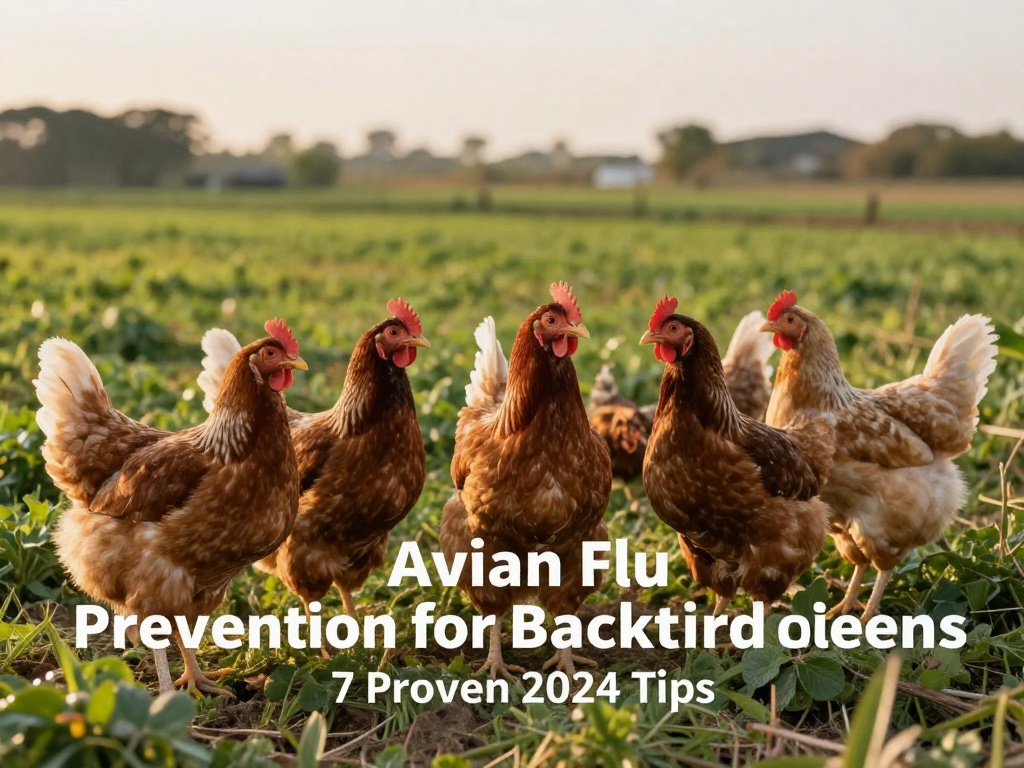
Avian Flu Prevention for Backyard Chickens: 7 Proven 2024 Tips
Avian flu prevention for backyard chickens is a top priority for small-scale poultry owners, as U.S. outbreaks have impacted more than 58 million farmed and wild birds since 2022, per USDA data. Even small, enclosed flocks are at risk, as wild birds can carry the virus to coops through droppings, feathers, or shared water sources. Implementing simple, consistent precautions can reduce your flock’s infection risk by over 90%, according to the American Poultry Association.
Core Evidence-Based Prevention Practices
1. Block Wild Bird Access to Coop Resources
Wild migratory birds are the primary carriers of avian flu, so limiting their contact with your flock’s feed and water is non-negotiable. Store all feed in sealed, chew-proof containers to avoid attracting wild fowl, and use covered waterers that only your chickens can access. Add fine mesh netting over open runs to prevent wild birds from landing or defecating inside your coop space.
2. Enforce Strict Biosecurity Rules
You can accidentally carry avian flu into your coop on contaminated shoes, clothing, or tools, so create simple biosecurity habits for anyone who enters your flock’s space. Keep a dedicated pair of coop-only shoes or disposable boot covers to use when handling chickens. Disinfect tools between uses, and never borrow poultry equipment from other local flock owners without sanitizing it first.
3. Quarantine All New Birds for 30 Days
Adding new chickens, ducks, or turkeys to your flock introduces infection risk, even if the birds appear healthy. Isolate all new additions in a separate space at least 100 yards from your existing flock for a 30-day quarantine period. Monitor new birds for symptoms of illness during this time, and care for your original flock first before tending to quarantined animals to avoid cross-contamination.
4. Get USDA-Approved Avian Flu Vaccines
As of 2024, USDA-approved avian flu vaccines are available for backyard flocks in 47 U.S. states, making them a accessible prevention tool for most owners. Vaccines reduce infection risk by 95% for high-risk H5N1 strains, the most common avian flu variant impacting North American flocks. Contact your local county extension office to find a licensed veterinarian who can administer vaccines to your flock.
Additional Tips to Protect Your Flock
Monitor for Early Warning Symptoms
Catch potential outbreaks early by checking your flock daily for common avian flu symptoms. Red flags include sudden death in otherwise healthy birds, coughing, sneezing, lethargy, blue discoloration of combs or wattles, and a sudden drop in egg production. Even one suspicious symptom warrants immediate action to protect the rest of your flock.
Report Suspected Cases Immediately
If you suspect avian flu in your flock, contact your state veterinarian and the USDA’s Animal and Plant Health Inspection Service (APHIS) within 24 hours. Early reporting stops outbreaks from spreading to local wild bird populations and nearby flocks. APHIS provides free testing for backyard flocks and can guide you through safe, humane disposal of infected birds if needed.
Frequently Asked Questions
Can my chickens get avian flu if they never leave their coop?
Yes, your flock can still be exposed even if they never leave their enclosed run. Avian flu can spread through wind-blown droppings from wild birds, contaminated shoes or equipment, or even insects that carry the virus between spaces. Strict biosecurity and netting reduce this risk significantly.
How much does avian flu prevention cost for small backyard flocks?
Most core prevention supplies cost less than $100 for a flock of 10 chickens. Sealed feed containers, netting, and boot covers cost under $50 total, while vaccines run roughly $2-$3 per bird. Most low-cost precautions pay for themselves by preventing the loss of your entire flock to an outbreak.
Is it safe to eat eggs from a flock exposed to avian flu?
The USDA strongly advises against consuming eggs or meat from any flock that tests positive for avian flu. While the risk of human infection from properly cooked poultry is low, infected flocks must be safely disposed of to prevent the virus from spreading to other animals. Always follow state and federal guidance if your flock is exposed.
No comments