
Tomatoes Fertilizing Step by Step: 2026 Complete Gardener's Guide
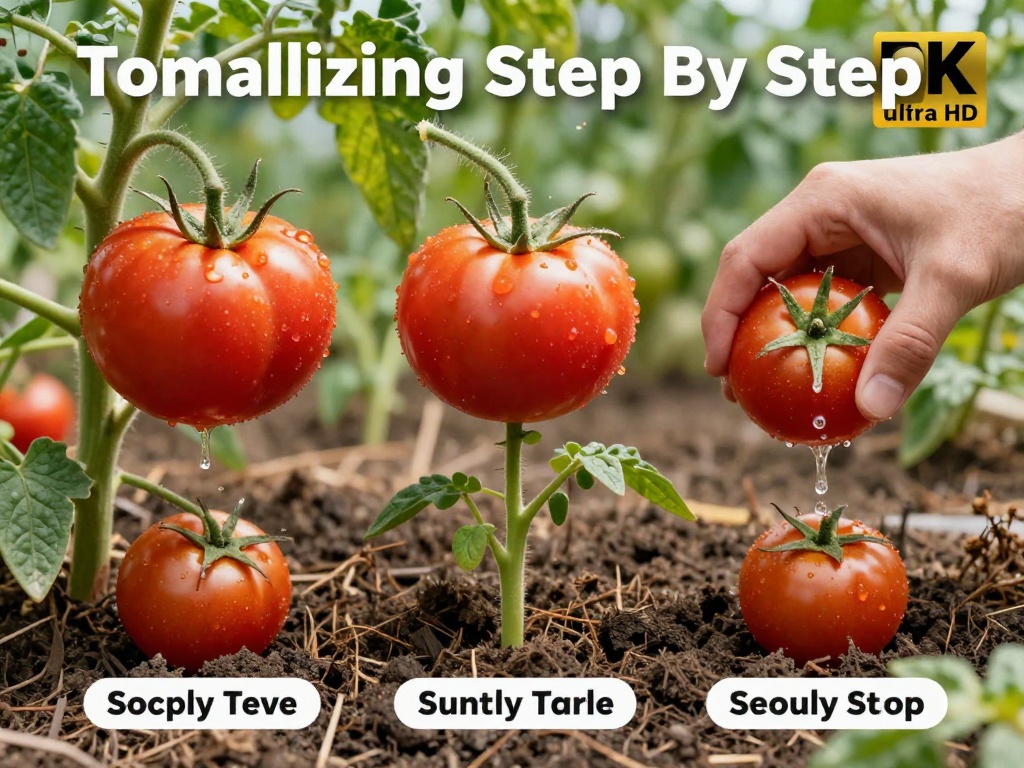
Tomatoes Fertilizing Step by Step: 2026 Complete Gardener's Guide
Growing delicious, bountiful tomatoes starts with proper nutrition. Understanding tomatoes fertilizing step by step empowers every gardener to cultivate thriving plants that produce abundant, flavorful fruit. This comprehensive guide walks you through the complete process of feeding your tomato plants for maximum results in your garden.
Why Tomato Plants Need Fertilizer
Tomato plants are heavy feeders that require consistent nutrition throughout their growing season. Without proper fertilization, tomatoes develop yellowing leaves, produce small fruit, and become susceptible to diseases and pests. Understanding the nutritional needs of your plants transforms a mediocre harvest into a spectacular one.
Professional growers recommend providing balanced nutrition at every growth stage, from seedling to mature plant. The investment in quality fertilizer pays dividends through increased yield, better fruit quality, and stronger plants that resist environmental stress.
Understanding Essential Nutrients for Tomatoes
Primary Nutrients (N-P-K)
Tomatoes require three macronutrients in larger quantities. Nitrogen (N) drives lush green foliage growth and is crucial during early development. Phosphorus (P) supports strong root systems and flower production. Potassium (K) promotes overall plant health, disease resistance, and quality fruit development.
Most balanced fertilizers display these nutrients as an N-P-K ratio on the packaging. Young tomato plants need higher nitrogen, while flowering and fruiting plants benefit from increased phosphorus and potassium levels.
Secondary Nutrients and Micronutrients
Calcium prevents blossom end rot, a common disorder affecting tomato fruit. Magnesium aids chlorophyll production and photosynthesis. Iron, zinc, and manganese support various enzymatic functions within the plant. These secondary nutrients often receive less attention but prove equally important for optimal tomato growth.
Step 1: Choose the Right Fertilizer Type
Selecting appropriate fertilizer forms the foundation of successful tomato nutrition. Granular fertilizers provide slow, steady nutrition and work excellently for soil application. Liquid fertilizers offer quick absorption and suit foliar feeding and transplant applications. Organic options including compost, fish emulsion, and bone meal improve soil structure while feeding plants naturally.
For beginners, a balanced organic fertilizer with an N-P-K ratio around 5-5-5 or 10-10-10 delivers reliable results. Advanced gardeners may prefer specialized tomato fertilizers formulated specifically for fruiting vegetables.
Step 2: Test Your Soil Before Planting
Understanding your soil's current nutrient status prevents over-fertilization and identifies specific deficiencies. Home soil testing kits reveal pH levels and major nutrient concentrations. Professional laboratory tests provide comprehensive nutrient analysis and specific amendment recommendations.
Tomatoes thrive in slightly acidic soil with pH between 6.0 and 6.8. When soil pH falls outside this range, plants struggle to absorb available nutrients regardless of fertilizer application. Adjusting pH before planting saves time and resources throughout the growing season.
Step 3: Prepare the Planting Hole with Base Nutrients
Setting tomatoes up for success begins at planting time. Mix 2-3 inches of quality compost into the top 6-8 inches of soil in your planting area. Add a handful of bone meal to support root development and calcium availability. This organic base provides slow-release nutrition throughout the season.
Gardeners growing tomatoes in containers should use premium potting mix specifically formulated for vegetables. Container plants require more frequent fertilization since nutrients leach through drainage holes more rapidly than in-ground plantings.
Step 4: Apply Initial Fertilizer After Transplanting
Wait 10-14 days after transplanting before applying the first fertilizer dose. This waiting period allows roots to establish in their new environment. Use a diluted, balanced liquid fertilizer at half-strength to avoid burning tender young roots.
Apply the initial fertilizer solution directly to the soil around the plant's base, avoiding contact with leaves. Water thoroughly before and after fertilizing to distribute nutrients evenly throughout the root zone.
Step 5: Establish a Regular Fertilization Schedule
Consistent feeding produces consistent results. Apply granular fertilizer every 4-6 weeks throughout the growing season, or use liquid fertilizer every 2-3 weeks for more frequent nutrition. Mark your calendar to maintain a reliable schedule regardless of other garden activities.
Track your fertilization dates and observe plant responses. Adjust timing and quantities based on how your specific plants perform. Climate, soil type, and tomato variety all influence optimal fertilization frequency in your particular garden conditions.
Step 6: Switch Fertilizer Type During Flowering
When tomato plants begin producing flower clusters, transition from nitrogen-focused to phosphorus-rich fertilizer. Reduce nitrogen to encourage flowering and fruiting rather than excessive vegetative growth. Look for fertilizers with higher middle and last numbers in the N-P-K ratio.
Products labeled specifically for tomatoes or flowering vegetables typically contain appropriate nutrient ratios for this critical stage. Continue this feeding approach throughout the remainder of the growing season for continuous fruit production.
Step 7: Side-Dress Plants Throughout the Season
Side-dressing involves applying fertilizer in a band beside plants rather than directly at the base. This technique delivers nutrients where active roots can access them most efficiently. Create a shallow trench 4-6 inches from the tomato stem, apply granular fertilizer, and cover lightly with soil.
Side-dress at transplanting, when first fruits appear, and again three weeks later. This three-application approach provides sustained nutrition for heavy-producing indeterminate varieties that fruit continuously until frost.
Step 8: Monitor Plant Health and Adjust Accordingly
Visual symptoms reveal nutritional status in real-time. Dark green foliage indicates adequate nitrogen, while pale or yellowing leaves suggest deficiency. Purple-tinged leaves often signal phosphorus shortage, while blossom end rot indicates calcium deficiency despite adequate soil calcium levels.
Address deficiencies immediately upon identification. Foliar sprays provide rapid correction for micronutrient deficiencies since leaves absorb nutrients faster than roots. Maintain detailed records of applications and plant responses to refine your approach over successive growing seasons.
Step 9: Reduce Fertilization as Season Ends
As fall approaches and temperatures cool, gradually reduce fertilizer applications. Plants entering their final production phase benefit from reduced nutrition that allows existing fruit to ripen properly. Over-fertilizing late in the season produces lush foliage at the expense of fruit quality.
For determinate varieties that produce fruit in a concentrated period, stop fertilizing once the main harvest concludes. Indeterminate varieties continuing to produce may benefit from light feeding until first frost approaches.
Common Tomato Fertilizing Mistakes to Avoid
Over-fertilizing causes more problems than under-fertilizing in most cases. Excessive nitrogen produces beautiful plants with minimal fruit, a condition frustratingly common among enthusiastic gardeners. Always follow package instructions and err toward under-application rather than risk burning plants with concentrated nutrients.
Applying fertilizer to dry soil concentrates salts in the root zone and damages delicate tissues. Water thoroughly before fertilizing and always irrigate after application. Uneven application creates inconsistent growth and variable fruit production across your garden.
Organic vs Synthetic Fertilizers for Tomatoes
Organic fertilizers improve long-term soil health while providing plant nutrition. Compost, aged manure, fish emulsion, seaweed extract, and bone meal release nutrients slowly and build beneficial soil microbiology. Organic approaches require patience but produce sustainable results season after season.
Synthetic fertilizers deliver immediate, precise nutrition and work well for container gardening and quick corrections. However, they do not improve soil structure and may harm beneficial microorganisms with repeated use. Many successful gardeners combine both approaches, using organic matter as a foundation with targeted synthetic applications as needed.
Container Tomato Fertilizing Considerations
Tomatoes grown in containers face unique nutritional challenges. Potting mix contains minimal nutrients compared to garden soil, making regular fertilization essential. Use liquid fertilizer at reduced strength with each watering, or apply controlled-release granules according to package directions for container use.
Drainage holes accelerate nutrient leaching in container plantings. Monitor plants closely for deficiency symptoms and increase fertilization frequency accordingly. Quality potting mix combined with consistent feeding produces excellent container tomatoes despite the challenges of limited root space.
Seasonal Fertilizing Calendar for Tomato Success
Late winter or early spring represents the ideal time for soil preparation and initial amendment. Apply compost and conduct soil testing before planting season begins. This advance preparation ensures nutrients are available when young transplants need them most.
During peak summer months, maintain consistent fertilization every 2-4 weeks depending on product strength. Reduce feeding frequency in late summer as plants naturally slow their growth. This calendar approach simplifies decision-making and produces reliable results year after year.
FAQ
What is the best fertilizer ratio for tomato plants?
Young tomato plants benefit from balanced fertilizer with equal or near-equal N-P-K numbers, such as 10-10-10. Once flowering begins, switch to a fertilizer with higher phosphorus and potassium, such as 5-10-10 or 8-32-16, to promote fruit development rather than excessive foliage growth.
How often should I fertilize tomatoes during the growing season?
Apply granular fertilizer every 4-6 weeks or liquid fertilizer every 2-3 weeks throughout the growing season. Container tomatoes typically need more frequent feeding, potentially with each watering at reduced strength. Adjust based on plant appearance and growth rate.
Can I use too much fertilizer on tomato plants?
Yes, over-fertilizing damages or kills tomato plants. Excessive nitrogen burns roots, causes leaf curling, and reduces fruit production. Always follow package directions carefully, start with conservative amounts, and increase only if deficiency symptoms appear.
When should I stop fertilizing tomato plants?
Reduce fertilization as fall approaches and temperatures drop, typically 4-6 weeks before first expected frost. For determinate varieties, stop fertilizing once main fruit set is complete. Continuing heavy feeding late in the season produces lush foliage at the expense of ripening fruit.
What are signs of nutrient deficiency in tomato plants?
Yellowing lower leaves indicate nitrogen deficiency. Purple-tinged leaves suggest phosphorus shortage. Pale leaves with green veins signal iron deficiency. Blossom end rot, characterized by dark sunken spots on fruit bottoms, results from calcium deficiency often caused by inconsistent watering rather than actual calcium absence in soil.
No comments