
Vermicomposting Earthworm Castings: 7 Benefits for Organic Gardens
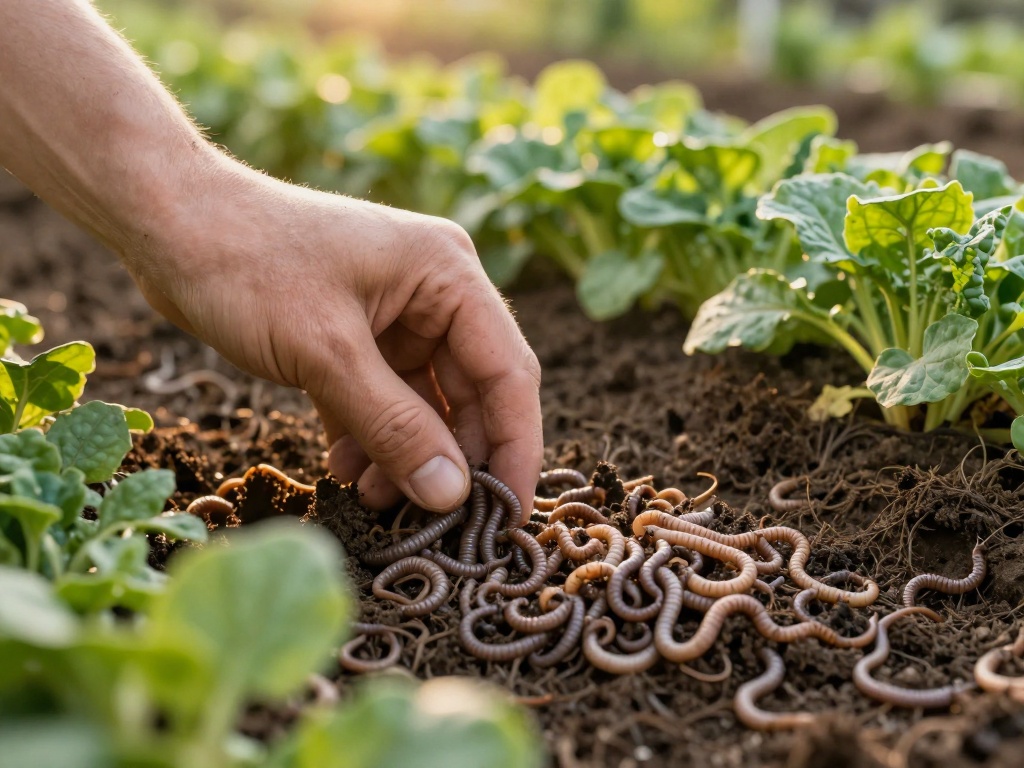
Vermicomposting Earthworm Castings: 7 Benefits for Organic Gardens
Vermicomposting earthworm castings represent one of the most powerful natural fertilizers available for organic gardens. These nutrient-rich amendments, produced by earthworms digesting organic matter, transform depleted soil into thriving ecosystems. Gardeners who understand how to harness earthworm castings consistently report healthier plants, improved yields, and reduced need for synthetic fertilizers. This comprehensive guide reveals everything you need to know about incorporating vermicomposting earthworm castings into your organic garden.
What Are Vermicomposting Earthworm Castings?
Vermicomposting earthworm castings, commonly called worm poop, are the end product of earthworms processing organic materials through their digestive systems. Unlike traditional composting, vermicomposting uses specific worm species—primarily Eisenia fetida (red wigglers)—to break down food scraps, paper, and plant debris. The resulting earthworm castings contain dramatically higher concentrations of beneficial nutrients, microorganisms, and humic compounds compared to conventional compost.
The Science Behind Worm Castings Production
During the vermicomposting process, earthworms ingest organic matter and pass it through their gizzards, where grinding occurs. Earthworm digestive systems harbor specialized bacteria and enzymes that continue breaking down materials even after excretion. This biological transformation creates stable, humus-like pellets that retain nutrients while making them readily available to plant roots.
Nutrient Profile of Quality Earthworm Castings
Quality vermicomposting earthworm castings typically contain nitrogen (1-2%), phosphorus (1-3%), potassium (1-2%), calcium, magnesium, and micronutrients. More importantly, earthworm castings include beneficial bacteria (10 million colony-forming units per gram), fungal spores, protozoa, and humic acids. These components work synergistically to feed soil biology while providing immediate and long-term nutrition for plants.
7 Powerful Benefits of Vermicomposting Earthworm Castings
1. Enhanced Soil Structure and Water Retention
Earthworm castings dramatically improve soil aggregation, creating the crumbly structure organic gardeners desire. The granular shape of vermicomposting earthworm castings creates microscopic pore spaces that enhance aeration while simultaneously improving water-holding capacity. Sandy soils become more moisture-retentive, while clay soils drain better. Research indicates that even small additions of earthworm castings—10-20% by volume—can transform soil physical properties.
2. Disease Suppression and Plant Protection
Vermicomposting earthworm castings suppress soil-borne diseases through multiple mechanisms. The beneficial microorganisms in earthworm castings compete with pathogens for resources and produce antibiotic compounds. Additionally, chitinase enzymes present in earthworm castings break down fungal cell walls. Gardeners applying earthworm castings regularly report reduced instances of damping-off, root rot, and powdery mildew without resorting to chemical interventions.
3. Slow-Release Nutrition That Prevents Burn
Unlike synthetic fertilizers that dump nutrients immediately, vermicomposting earthworm castings release nutrients slowly through biological activity. Earthworm castings contain both water-soluble nutrients for immediate uptake and bound nutrients that become available as soil microbes mineralize them. This characteristic eliminates the risk of fertilizer burn that plagues gardeners using concentrated synthetic products.
4. Natural pH Buffering Capacity
Earthworm castings naturally buffer soil pH toward neutral levels (6.5-7.0), which suits most vegetable crops. Vermicomposting earthworm castings contain calcium carbonate and other buffering compounds that neutralize both acidic and alkaline conditions over time. This gradual pH adjustment creates stable growing conditions without the dramatic fluctuations that stress plants.
5. Introduction of Beneficial Soil Biology
Applying vermicomposting earthworm castings introduces billions of beneficial microorganisms into your garden soil. These bacteria, fungi, protozoa, and nematodes form the foundation of healthy soil ecosystems. Earthworm castings contain mycorrhizal fungi that extend plant root systems, nitrogen-fixing bacteria that convert atmospheric nitrogen, and phosphorus-solubilizing organisms that unlock bound nutrients.
6. Improved Seed Germination and Seedling Vigor
Studies consistently demonstrate that seeds germinated in media containing vermicomposting earthworm castings show faster emergence and higher survival rates. Earthworm castings contain plant growth hormones—auxins, gibberellins, and cytokinins—that stimulate root development and early growth. Starting trays with a 20-30% earthworm castings blend produces noticeably stronger seedlings.
7. Safe for All Plants and Application Methods
Unlike raw manure or unfinished compost that can harm sensitive plants, vermicomposting earthworm castings are fully stabilized and safe for immediate use around any plant species. This versatility allows gardeners to use earthworm castings for seed starting, transplanting, topdressing established plants, or brewing into liquid tea. No waiting period or special handling required.
How to Apply Vermicomposting Earthworm Castings in Your Garden
Application Rates and Methods
For garden beds, apply a 1-2 inch layer of vermicomposting earthworm castings and work it into the top 4-6 inches of soil. This translates roughly to 20-40 pounds per 100 square feet for new beds. Established beds benefit from a ½ inch topdressing applied twice yearly. When transplanting, add a handful of earthworm castings directly into each planting hole.
Making Earthworm Casting Tea
Earthworm casting tea amplifies the benefits of vermicomposting earthworm castings while making application easier for large areas. Steep 1 cup of earthworm castings in 5 gallons of non-chlorinated water for 24-48 hours, stirring occasionally. Use the finished tea immediately as a soil drench or foliar spray. Aerated compost tea methods further enhance beneficial microorganism populations.
Using Earthworm Castings in Container Gardens
Container plants particularly benefit from vermicomposting earthworm castings since potting mix lacks natural soil biology. Mix earthworm castings into potting soil at 20% volume. For ongoing container maintenance, topdress pots monthly with a thin layer of vermicomposting earthworm castings and water thoroughly. This practice keeps container plants thriving throughout the growing season.
Common Mistakes When Using Earthworm Castings
Over-application wastes earthworm castings without providing additional benefits. While earthworm castings cannot burn plants, excessive amounts above 50% of soil volume may create overly dense growing conditions. Another mistake involves purchasing low-quality vermicomposting earthworm castings from unreliable sources—always smell earthworm castings before purchasing; quality earthworm castings smell earthy, not sour or anaerobic.
Getting Started With Vermicomposting
You can produce your own vermicomposting earthworm castings with a simple worm bin, red wiggler worms, and kitchen scraps. Start with approximately 1 pound of worms per square foot of bin surface area. Feed your worms fruit and vegetable scraps, coffee grounds, and shredded paper while avoiding meat, dairy, and citrus. Within 3-4 months, you'll harvest your first batch of valuable earthworm castings.
FAQ
How often should I apply vermicomposting earthworm castings to my organic garden?
Apply vermicomposting earthworm castings at the beginning of each growing season when preparing beds, and again mid-season as a topdressing for heavy-feeding crops. For container plants, apply monthly. Unlike synthetic fertilizers, earthworm castings can be applied anytime without risk of burning plants or disrupting soil biology.
Can I use vermicomposting earthworm castings as the only fertilizer?
For most organic gardens, vermicomposting earthworm castings provide sufficient nutrition when combined with diverse organic matter from cover crops, mulch, and crop rotation. Earthworm castings excel as a primary amendment, but complementing them with other organic practices creates truly sustainable soil fertility. Heavy-feeding crops like corn may benefit from additional nitrogen sources.
How do I identify high-quality vermicomposting earthworm castings?
Quality earthworm castings appear dark, crumbly, and moist with an earthy smell reminiscent of forest floor. They should not be muddy, slimy, or emit foul odors. When squeezed, quality earthworm castings hold their shape briefly but crumble easily. Avoid earthworm castings that contain recognizable food scraps, which indicate incomplete processing.
Are earthworm castings safe for edible crops and vegetables?
Vermicomposting earthworm castings are completely safe for all edible crops, including vegetables, fruits, and herbs. The vermicomposting process eliminates pathogens and neutralizes potential contaminants present in raw organic materials. Earthworm castings actually improve food safety by promoting beneficial microorganisms that outcompete harmful bacteria.
No comments