
2024 Guide to Clover Underplanting for Tomato Weed Suppression
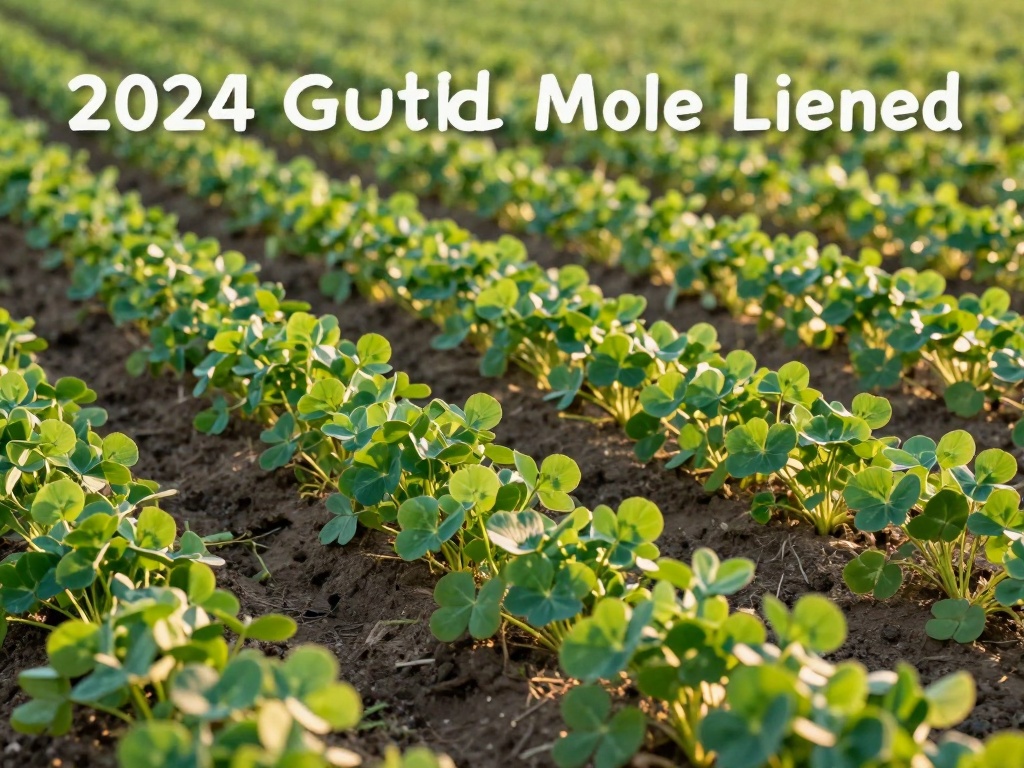
2024 Guide to Clover Underplanting for Tomato Weed Suppression
Weed management is one of the most labor-intensive, costly challenges for commercial and home tomato growers alike. Clover underplanting for tomato weed suppression is a proven, sustainable practice that eliminates the need for frequent hand-weeding or synthetic herbicides. This method uses living clover as a natural mulch to block weed growth while delivering additional farm and garden benefits.
What Is Clover Underplanting for Tomatoes?
Clover underplanting involves sowing low-growing clover varieties, most commonly white clover (Trifolium repens), alongside tomato transplants to form a continuous, dense ground cover. Unlike tilled bare soil or straw mulch, living clover outcompetes weeds for sunlight, water, and soil nutrients.
A 2023 study from the University of California Agriculture and Natural Resources (UC ANR) found this practice reduces weed biomass in tomato fields by up to 85% within 6 weeks of planting. The low-growing clover mat never rises high enough to block sunlight or airflow to tomato plants, eliminating competition risks when maintained correctly.
Key Benefits Beyond Weed Suppression
Improved Soil Health and Fertility
As a legume, clover fixes atmospheric nitrogen into the soil, feeding heavy-feeding tomatoes throughout the growing season. It also reduces soil erosion by protecting bare soil from heavy rain or wind, a critical benefit for sloped farmland.
Clover’s dense root system also improves soil aeration over time, breaking up compacted soil to support stronger tomato root growth.
Reduced Input Costs
Commercial growers save an average of $320 per acre on herbicides and labor costs, per a 2024 report from the Organic Farming Research Foundation (OFRF). That cost reduction pairs with a 7% average increase in tomato yields from improved soil moisture retention, the same OFRF study found.
Pollinator Support
Clover produces small, nectar-rich flowers that attract native bees and honeybees, which in turn boost tomato pollination rates. Better pollination translates to larger, more uniform tomato fruits with fewer deformities, boosting marketable yield for commercial growers.
Step-by-Step Guide to Implement Clover Underplanting
Choose the Right Clover Variety
Stick to white clover for most temperate tomato growing regions, as it grows only 4-6 inches tall and won’t compete with tomato plants for sunlight. For warmer southern U.S. climates, strawberry clover (Trifolium fragiferum) offers better drought tolerance and heat resistance.
Time Your Planting Correctly
Sow clover seeds 2 weeks after transplanting your tomatoes into the field or garden. This gives tomato seedlings a critical head start to establish their deep root systems before the clover begins to spread across the soil surface.
Maintain the Clover Mat
Mow the clover once per month to a height of 3 inches to prevent it from climbing tomato stems. Water the clover lightly during extended dry periods to keep the mat dense and effective at blocking weed germination.
Frequently Asked Questions
Is clover underplanting suitable for organic tomato farms?
Yes, clover underplanting meets all USDA organic production standards, making it a top weed management solution for organic growers. It eliminates the need for prohibited synthetic herbicides while supporting the long-term soil health requirements for organic certification.
Can I use this method for small home garden tomato plots?
Absolutely. Clover underplanting works just as effectively in 10x10 foot home gardens as it does on large commercial farms. Home growers can sow a small handful of white clover seeds around each tomato transplant to cut down on hours of weekly hand-weeding.
Will clover compete with my tomato plants for nutrients?
No, when planted and maintained correctly, clover never outcompetes tomatoes. Its shallow root system only accesses topsoil resources, while tomato roots grow 2-3 feet deep to access minerals below the clover root zone. As a legume, clover even adds 50-100 pounds of nitrogen per acre to the soil, which benefits tomato growth.
No comments