
7 Proven Organic Weed Control for Carrot Beds: A 2024 Guide
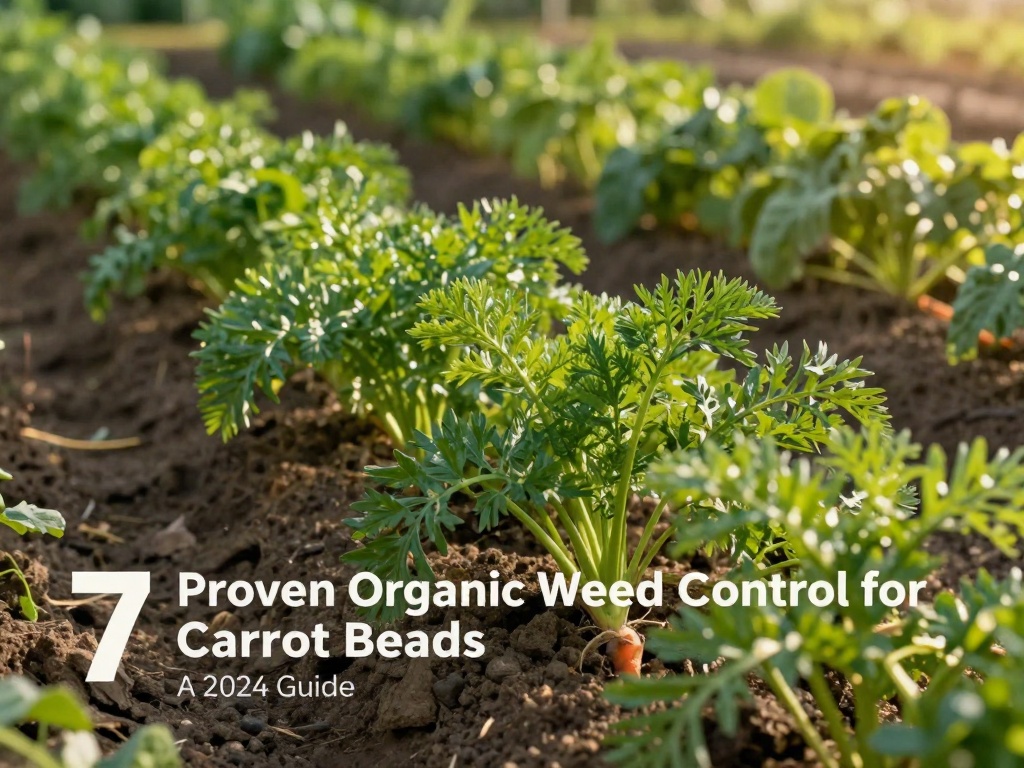
7 Proven Organic Weed Control for Carrot Beds: A 2024 Guide
Weeds are one of the most common and frustrating challenges for home carrot growers, especially since carrot seeds germinate slowly and have shallow, delicate root systems that easily get outcompeted. Traditional chemical herbicides can damage young carrot sprouts, leach harmful chemicals into the soil, and kill beneficial soil microbes. Organic weed control for carrot beds offers a safe, sustainable solution to keep weeds at bay while protecting your crop and long-term soil health.

Pre-Planting Soil Solarization
Soil solarization is a chemical-free way to kill weed seeds, fungi, and pests in your carrot bed before planting. Moisten the soil thoroughly, then cover the area with clear plastic sheeting, securing the edges with soil or rocks to trap heat.
Leave the plastic in place for 4 to 6 weeks during the hottest part of summer. The University of California Cooperative Extension reports that solarization can reduce weed seed viability by up to 90%, making it ideal for prepping carrot beds.
Hand Weeding for Delicate Carrot Seedlings
Hand weeding is the most precise organic weed control for carrot beds, especially during the critical germination and thinning stages. Wait until soil is moist after watering or rain, then use a small hand fork or trowel to gently pull weeds without disturbing shallow carrot roots.
Thin carrot seedlings as you weed, spacing them 2 to 3 inches apart to give remaining carrots room to grow. This dual task saves time and ensures your carrots have enough space to develop full, crisp roots.
Organic Mulching for Long-Term Weed Suppression
Mulching is one of the most effective organic weed control methods for established carrot beds. Wait until carrot seedlings have developed their first two true leaves, then apply 2 to 3 inches of weed-free straw, composted leaf mold, or grass clippings between rows.
Avoid piling mulch directly against carrot stems, as this can cause rot. Mulch also retains soil moisture, regulates soil temperature, and adds organic matter to your soil over time.
Floating Row Covers for Weed and Pest Protection
Floating row covers are a lightweight, breathable fabric that blocks weed seeds from landing on your carrot bed soil, while also protecting crops from pests like carrot flies. Secure the edges of the row cover with soil or landscape pins to prevent weeds from growing underneath.
Leave the cover in place until carrots begin to form their thick, edible roots, then remove it to easily access your growing crop.
Spot-Treatment Organic Herbicides
For persistent weeds in established carrot beds, homemade organic herbicides can provide targeted control without harming your crop. Mix 1 part white vinegar (5% acetic acid) with 1 part water, then add a single drop of dish soap to help the solution stick to weed leaves.
Spray the solution directly on weeds on a dry, calm day, taking care to avoid getting the mixture on carrot foliage, as it can damage young leaves.
Careful Hoeing for Row Edge Weeds
A stirrup hoe is a specialized tool that cuts weeds at the soil surface without disturbing shallow carrot roots. Use the hoe to gently cultivate the space between carrot rows, removing small weeds before they set seed.
Avoid hoeing too close to carrot plants, as their shallow roots can easily be damaged or severed. Hoe regularly throughout the growing season to keep weeds from spreading.
Crop Rotation to Reduce Long-Term Weed Pressure
Crop rotation is a key sustainable farming practice that reduces weed pressure over time by interrupting the life cycle of weed species that target carrots. Rotate carrot beds with deep-rooted crops like tomatoes, corn, or peppers every 2 to 3 years.
These taller crops will shade the soil more effectively, suppressing weed growth and reducing the number of weed seeds that build up in your soil.
Frequently Asked Questions About Organic Weed Control for Carrot Beds
When is the best time to weed carrot beds?
The best time to weed carrot beds is when soil is moist, typically after a light rain or watering. Weed when weeds are just 2 to 4 inches tall, before they have a chance to produce and spread seeds. Weeding in the early morning or late evening also avoids stressing young carrot plants during hot midday sun.
Can I use corn gluten meal for organic weed control in carrot beds?
No, corn gluten meal prevents all seed germination, including carrot seeds. Only use corn gluten meal in fallow garden beds before planting carrots, or on established, mature crops that are not grown from seed.
How do I keep weeds out of carrot rows without harming seedlings?
Use hand weeding with a small hand fork to gently remove weeds between carrot seedlings, apply straw mulch once seedlings have two true leaves, or use a stirrup hoe carefully along the edges of carrot rows to cut weeds without disturbing shallow carrot roots.
Is mulch safe for carrot beds?
Yes, mulch is safe for carrot beds as long as you wait to apply it until seedlings have developed their first two true leaves. Using 2 to 3 inches of weed-free straw, leaf mold, or composted grass clippings will suppress weeds, retain moisture, and improve soil health without smothering young carrot plants.
No comments