
Onions Companion Planting Organic Method: 2026 Complete Guide
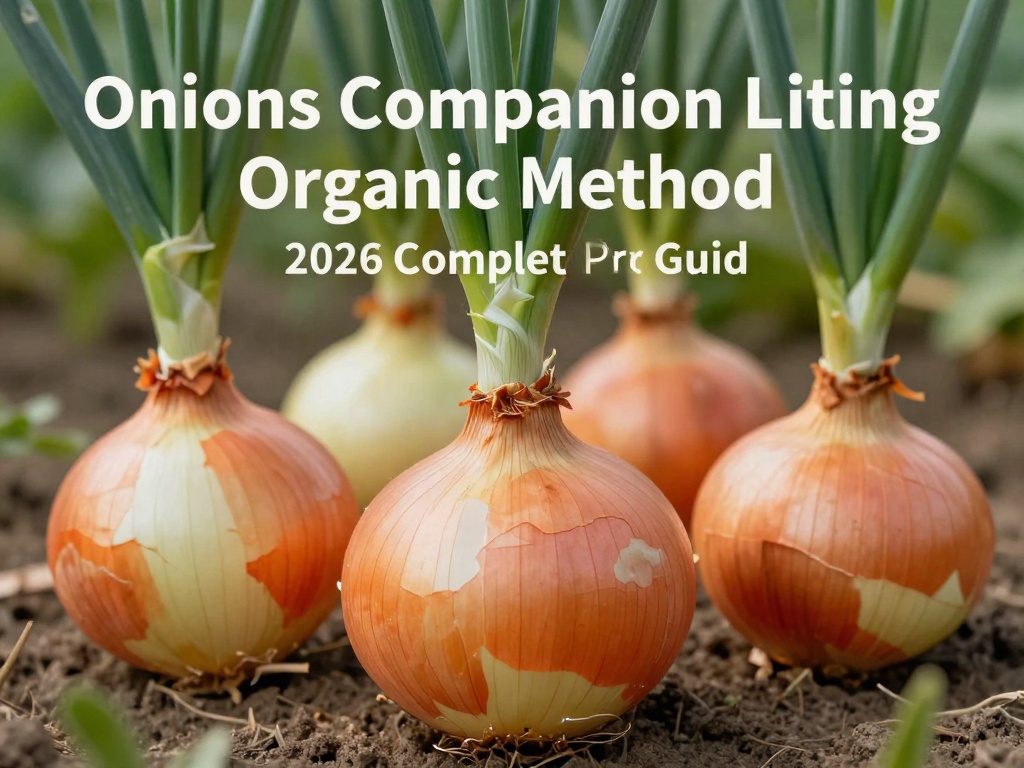
Onions Companion Planting Organic Method: 2026 Complete Guide
Onions companion planting organic method offers one of the most effective ways to grow healthier, more flavorful bulbs while naturally pest-proofing your garden. By understanding which plants support onion growth and which ones create competition, you can create a thriving garden ecosystem that works with nature rather than against it. This complete guide walks you through the step-by-step process of mastering organic companion planting specifically for onions in your garden.
Whether you are growing onions in raised beds, containers, or traditional garden plots, companion planting techniques can dramatically improve your harvest quality and reduce the need for chemical interventions. The key lies in selecting the right plant partnerships that provide mutual benefits through natural pest control, improved pollination, and efficient space utilization.
Why Choose Organic Companion Planting for Onions
Organic companion planting with onions goes beyond simple space saving. When implemented correctly, this method creates a natural defense system against common onion pests like onion flies, thrips, and aphids. The aromatic compounds released by onions actually repel many harmful insects, making them excellent partners for vulnerable crops in your vegetable garden.
Studies from agricultural universities have shown that diversified plantings reduce pest pressure by up to 60% compared to monoculture approaches. For onions specifically, companion plants can mask the scent that attracts onion-loving pests, creating a natural barrier without the need for synthetic pesticides.
Best Companion Plants for Onions Organically
Vegetables That Grow Well with Onions
The most successful vegetable pairings for onions include leafy greens and root crops that have different root depths. Carrots make exceptional companions because they break up soil compaction, allowing onion roots to access nutrients more easily. The carrot's feathery foliage also provides ground cover that retains moisture for both plants.
Beets perform exceptionally well alongside onions in small spaces because they mature at different rates. By the time beets need more room, your onions will be ready for harvest. Lettuce and spinach work beautifully as intercropping partners since they mature quickly and can be harvested before competing with developing onion bulbs.
Cabbage family members including broccoli, Brussels sprouts, and kale benefit significantly from onion's pest-repelling properties. The strong scent confuses cabbage moths and prevents maggot infestations that commonly plague these crops during the growing season.
Herbs That Complement Onions Naturally
Chamomile serves as an excellent organic companion because it accumulates calcium, potassium, and sulfur in its leaves, which eventually enriches the soil for onion growth. Planting chamomile near your onion rows provides a natural nutrient boost while attracting beneficial insects that prey on harmful pests.
Summer savory is a traditional partner for onions in many European gardens. This herb specifically repels onion flies and improves the flavor of nearby onion bulbs. The combination works so well that many gardeners have adopted this practice for generations, making it a proven organic technique.
Cilantro and dill also attract beneficial wasps and flies that keep aphid populations under control. These herbs can be planted between onion rows to maximize your garden space while providing natural pest management services throughout the growing season.
Flowers for Natural Pest Control
Marigolds rank among the most valuable flower companions for onions in organic gardening. Their pungent fragrance repels nematodes, rabbits, and numerous insect pests. Planting marigolds around the perimeter of your onion beds creates a protective barrier that lasts throughout the growing season.
Nasturtiums serve as trap crops, attracting aphids away from your onions and toward their vibrant flowers instead. This sacrifice planting technique keeps your onion bulbs clean and healthy while providing beautiful color to your vegetable garden.
Geraniums planted near onions deter Japanese beetles and other chewing insects that might otherwise damage onion foliage. The strong scent complements onion's natural defenses and adds visual interest to functional garden areas.
Plants to Avoid Near Onions in Your Garden
Understanding which plants hinder onion growth is equally important for successful organic companion planting. Legumes including peas and beans experience stunted growth when planted near onions because onions produce compounds that interfere with nitrogen-fixing bacteria essential for legume health.
Asparagus should never be planted alongside onions because both crops compete aggressively for the same nutrients in the soil. This competition weakens both plants and significantly reduces harvest yields over time. Keep these two vegetables separated by at least four feet in your garden layout.
Garlic and shallots might seem like logical companions given their similar growth habits, but planting them together increases the risk of spreading diseases and pests. Each of these alliums attracts the same problematic insects, so isolation provides natural protection against infestations.
FMethyl sulfur compounds in onions can stunt the growth of sage and beans, so maintain adequate spacing between these plants in your organic garden design. Strategic placement prevents chemical interference while still allowing you to grow a diverse range of crops.
Step by Step Organic Method for Onions Companion Planting
Planning Your Garden Layout
Begin by assessing your available space and sunlight exposure. Onions require at least six hours of direct sunlight daily and well-drained soil with a pH between 6.0 and 7.0. Mark your onion beds first, then plan companion plant locations based on their mature sizes and growth requirements.
For maximum yield in small spaces, consider a three-sister inspired approach with onions as your primary crop. Interplant short-season companions like lettuce between onion rows during early spring, then transition to longer-season partners as temperatures warm. This technique maximizes your harvest window while maintaining continuous ground cover.
Create a garden diagram that accounts for harvest timing. Position quick-maturing companions where they can be removed without disturbing onion roots. This planning step prevents disruption to developing bulbs during mid-season maintenance tasks.
Soil Preparation for Organic Success
Prepare your soil organically by incorporating aged compost two weeks before planting. This application provides slow-release nutrients that support both onions and their companions throughout the growing season. Avoid fresh manure, which can introduce pathogens and cause excessive leaf growth at the expense of bulb development.
Apply a thin layer of organic mulch around onion plants after establishment. Straw, shredded leaves, or grass clippings work excellently for retaining soil moisture and suppressing weeds. The mulch also encourages earthworm activity that naturally aerates and enriches your garden soil.
Consider adding rock phosphate or bone meal at planting time to support healthy root development in your onions. These organic amendments break down slowly, providing consistent nutrition without chemical fertilizers that could harm beneficial soil microorganisms.
Planting and Maintenance Schedule
Plant onion sets or transplants after your last frost date when soil temperatures reach at least 50 degrees Fahrenheit. Space onion plants four inches apart in rows six inches from their companions. This spacing allows adequate air circulation while maintaining the close proximity necessary for companion benefits.
Water deeply but infrequently, providing about one inch of water weekly. Consistent moisture produces even bulb development, while fluctuation causes splitting and storage problems. Drip irrigation or soaker hoses deliver water directly to roots without wetting foliage, reducing disease pressure in your organic garden.
Weed carefully around onion plants, as they have shallow root systems that compete poorly with aggressive vegetation. Hand weeding or shallow cultivation maintains a clean growing environment without disturbing developing bulbs beneath the soil surface.
Benefits of Organic Companion Planting with Onions
The benefits extend far beyond pest control when you master onions companion planting organic method techniques. Natural companion relationships improve soil structure through diverse root penetration, increase biodiversity that supports beneficial insect populations, and maximize your garden's productivity per square foot.
Organic companion planting reduces your environmental footprint by eliminating dependence on synthetic pesticides and fertilizers. Your garden becomes a self-sustaining ecosystem that naturally regulates pest populations and maintains soil fertility through biological processes rather than chemical inputs.
Flavor improvement represents another significant advantage of companion planting with onions. Many gardeners report sweeter, more complex flavors when onions grow alongside herbs like chamomile and summer savory. The subtle transfer of aromatic compounds creates unique taste profiles impossible to achieve through isolated cultivation.
Common Mistakes to Avoid
Overcrowding remains the most frequent error in organic companion planting for beginners. While maximizing space is tempting, insufficient air circulation promotes fungal diseases and stunts growth in both primary and companion plants. Always follow recommended spacing guidelines even when working with small spaces.
Neglecting soil nutrition undermines companion planting success. Organic methods require more upfront planning because nutrients release slowly compared to synthetic fertilizers. Regular composting and cover cropping maintain fertility levels that support multiple crops growing in proximity.
Planting incompatible companions destroys potential benefits and may actively harm your crops. Always research specific pairing compatibility before implementing new combinations in your garden. The effort invested in proper planning prevents disappointing results and wasted garden space.
Seasonal Timing for Maximum Results
Spring planting establishes the foundation for successful onion companion relationships. Start companions like lettuce and spinach two weeks before onion sets to create a staggered harvest window. This timing ensures quick-maturing crops reach maturity before competing with developing onion bulbs for space and nutrients.
Summer succession planting maintains continuous productivity through fall. After harvesting early companions, transplant fall crops like broccoli or Brussels sprouts seedlings that benefit from reduced pest pressure after onion companions have established their protective presence.
Fall garden cleanup plays a crucial role in organic companion planting success. Remove all plant material promptly to prevent overwintering pests and diseases. This practice breaks pest life cycles naturally, setting up improved conditions for next year's companion planting efforts.
Onions Companion Planting Organic Method: FAQ
What is the best companion plant for onions in organic gardening?
Carrots are widely considered the best companion for onions in organic gardening because they provide excellent soil aeration while their different root depths prevent direct competition for nutrients. The strong carrot scent also helps mask onions from pests like onion flies, creating a mutually beneficial growing relationship.
Can I grow onions with tomatoes using organic methods?
Yes, tomatoes make excellent organic companions for onions. The onion's pest-repelling properties protect tomatoes from aphids and other insects, while tomatoes provide shade during hot summer months that prevents onion bolting. This pairing is especially effective in raised beds where space efficiency matters most.
How close can I plant companion plants near my onions?
Plant companions within two to four inches of onion rows for maximum benefit, but avoid placing plants directly adjacent to developing bulbs. Root crops like carrots can be interplanted in the same row, while taller companions like tomatoes should be positioned to provide afternoon shade without blocking essential morning sunlight.
What herbs should never be planted with onions?
Beans and peas should never be planted near onions because the allium compounds interfere with nitrogen-fixing bacteria these legumes require for healthy growth. Sage also grows poorly alongside onions due to conflicting nutrient requirements and potential chemical interference between the two plants.
How long does it take to see results from organic companion planting?
Visible improvements typically appear within the first growing season, including reduced pest damage, improved plant vigor, and better soil structure. Long-term benefits like enhanced biodiversity and self-sustaining pest management develop over two to three growing seasons as your garden ecosystem matures and stabilizes naturally.
What is the minimum space needed for onions companion planting?
Onions companion planting works effectively even in containers as small as 12 inches deep and 18 inches wide. Use a pot this size to grow three onion sets with basil and parsley companions. For raised beds, a four-foot by eight-foot area accommodates multiple companion combinations with room for diverse crop rotation.
No comments