
Growing Lemons 2026: The Ultimate Home Gardening Movement Guide
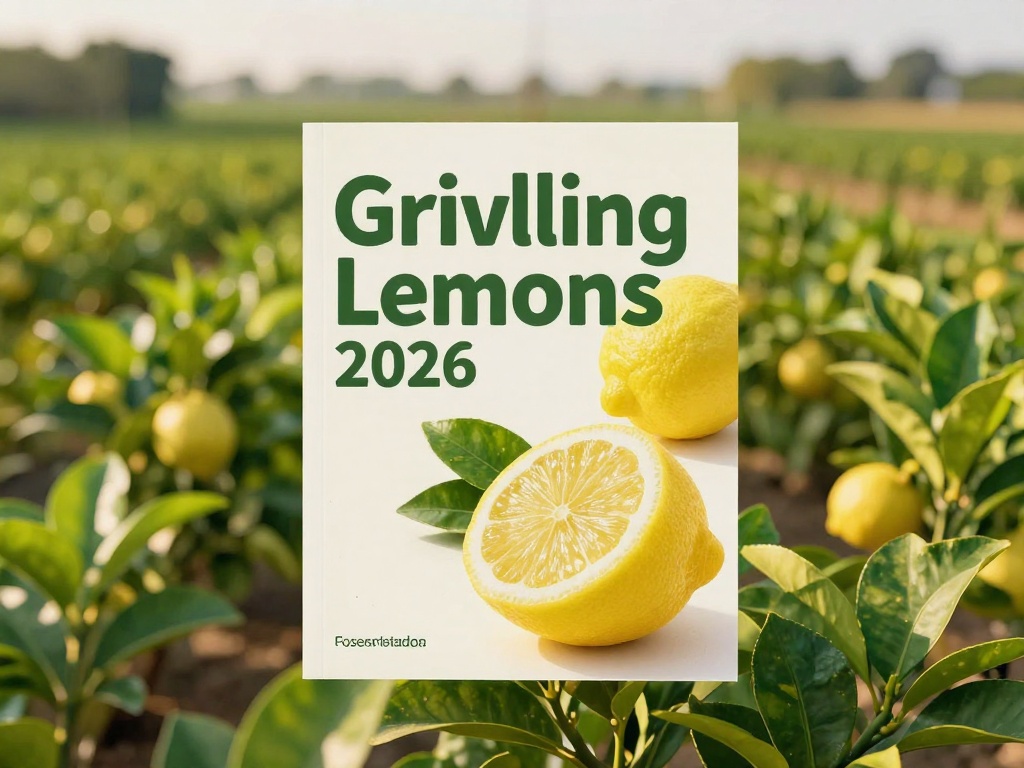
Growing Lemons 2026: The Ultimate Home Gardening Movement Guide
The lemonading movement gardening trend is sweeping across backyards and balconies worldwide. More homeowners are discovering the joy of growing their own citrus, transforming ordinary gardens into productive lemon groves. This comprehensive guide walks you through everything you need to start your lemon-growing journey today.
What Is the Lemonading Movement Gardening?
The lemonading movement gardening represents a shift toward sustainable, home-based food production focused specifically on citrus cultivation. Gardeners are moving beyond traditional vegetables to embrace lemon trees as essential components of their outdoor spaces. This movement combines the satisfaction of fresh, organic produce with the aesthetic appeal of evergreen fruit trees.
Participants in this gardening revolution share a common goal: reducing grocery dependence while enjoying the unmatched flavor of tree-ripened lemons. The trend has accelerated due to rising produce costs and increased interest in self-sufficiency.
Why Lemons Are Leading This Garden Revolution
Lemons rank among the most versatile fruits in any kitchen. From fresh lemonade to culinary zest, the applications are virtually endless. Additionally, lemon trees offer year-round greenery and fragrant blossoms, making them both practical and beautiful additions to any landscape.
The relatively compact size of many lemon varieties makes them suitable for containers, raised beds, and even indoor growing with proper lighting. This adaptability has fueled the movement's growth among urban gardeners with limited space.
Essential Steps for Growing Lemons Successfully
Choosing the Right Lemon Variety
Selecting the appropriate variety forms the foundation of successful lemonading movement gardening. Meyer lemons offer a sweeter, less acidic flavor ideal for fresh consumption. Eureka lemons provide abundant fruit with classic tartness perfect for cooking and preserving. Dwarf varieties work exceptionally well in containers and small spaces.
Consider your climate zone when selecting varieties. Some lemons thrive in Mediterranean conditions, while others tolerate cooler temperatures. Research your local extension service recommendations for optimal performance.
Site Selection and Soil Preparation
Lemon trees demand well-draining soil and abundant sunlight. Choose a location receiving at least six to eight hours of direct sunlight daily. Poor drainage leads to root rot, one of the most common causes of lemon tree failure.
Prepare planting holes twice the width of root balls, mixing compost into native soil. This amendment improves drainage while providing essential nutrients. Container-grown lemons require pots with adequate drainage holes and quality potting mix specifically formulated for citrus.
Planting Your Lemon Tree
The best planting time depends on your climate. In warmer regions, fall planting allows root establishment before summer heat. Cooler climates benefit from spring planting, giving trees a full growing season to establish before winter.
Position trees at the same depth they grew in nursery containers. Backfill carefully, tamping soil gently to eliminate air pockets. Water deeply after planting, applying a layer of mulch around the base to retain moisture and suppress weeds.
Ongoing Care for Thriving Lemon Trees
Watering Techniques
Consistent moisture proves essential during the first growing season. Water deeply but infrequently, allowing soil to dry slightly between applications. Overwatering ranks among the most detrimental mistakes in lemonading movement gardening practices.
Mature trees tolerate brief drought periods but produce better fruit with regular irrigation. Drip irrigation systems deliver water directly to root zones, reducing waste and preventing foliar diseases.
Feeding and Fertilization
Lemon trees are heavy feeders requiring regular nutrient supplementation. Apply citrus-specific fertilizers according to package directions, typically three to four times annually. Organic options like composted manure and fish emulsion provide excellent nutrition without synthetic chemicals.
Watch for signs of nutrient deficiency. Yellowing leaves may indicate nitrogen shortage, while pale veins suggest iron chlorosis. Adjust fertilization accordingly to maintain vibrant, productive trees.
Pruning and Training
Pruning maintains tree shape, removes dead wood, and improves air circulation. The lemonading movement gardening community emphasizes selective pruning over heavy shearing. Remove crossing branches and suckers emerging below the graft union.
Light annual pruning after harvest keeps trees manageable and productive. Focus on maintaining an open canopy that allows sunlight penetration to all fruiting branches.
Pest and Disease Management
Common Lemon Tree Pests
Citrus leafminers, scale insects, and spider mites frequently challenge lemon growers. Regular inspection enables early detection before infestations become severe. Introducing beneficial insects like ladybugs provides natural pest control.
Horticultural oils and insecticidal soaps offer organic solutions for many common pests. Avoid broad-spectrum pesticides that harm beneficial insects and pollinators visiting your lemon blossoms.
Disease Prevention Strategies
Fungal diseases like root rot and anthracnose result primarily from improper watering and poor drainage. Prevention through correct cultural practices proves far easier than treatment after infection occurs.
Maintain adequate spacing between trees for air circulation. Remove fallen fruit and debris promptly to reduce disease pressure. Choose disease-resistant varieties when available.
Harvesting Your Lemons
Lemons typically mature six to nine months after flowering. Fruit reaches peak flavor when fully colored and slightly soft to pressure. Unlike many fruits, lemons do not continue ripening after harvest, so allow adequate time on the tree.
Twist or cut fruit carefully to avoid damaging branches. Handle harvested lemons gently to prevent bruising. Fresh lemons store at room temperature for approximately one week or refrigerated for several weeks.
The Community Aspect of the Movement
The lemonading movement gardening extends beyond individual cultivation. Online forums, local gardening clubs, and social media groups connect enthusiasts sharing tips, surplus seedlings, and harvest successes. This community aspect encourages newcomers and sustains experienced growers' enthusiasm.
Neighborhood exchanges frequently feature lemon-sharing programs where abundant harvests support food banks and community kitchens. This generosity exemplifies the movement's spirit of shared abundance.
FAQ
Can lemon trees grow successfully in containers?
Yes, container growing suits lemon trees perfectly. Choose dwarf or semi-dwarf varieties, use well-draining potting mix, and provide adequate sunlight. Container growing allows mobility for overwintering indoors in cold climates.
How long does it take for a lemon tree to produce fruit?
Nursery-grown trees typically begin producing fruit within one to three years after planting. Grown from seed, trees may require five or more years before bearing fruit. Patience proves essential in lemonading movement gardening.
What temperature can lemon trees tolerate?
Most lemon varieties suffer damage below freezing, with severe injury occurring around twenty-two degrees Fahrenheit. Container trees should move indoors when temperatures approach forty degrees. Protect outdoor trees from frost using blankets or specialized covers.
No comments