
Organic Apple Thinning for Higher Yields: 2024 Pro Tips for Orchard Owners
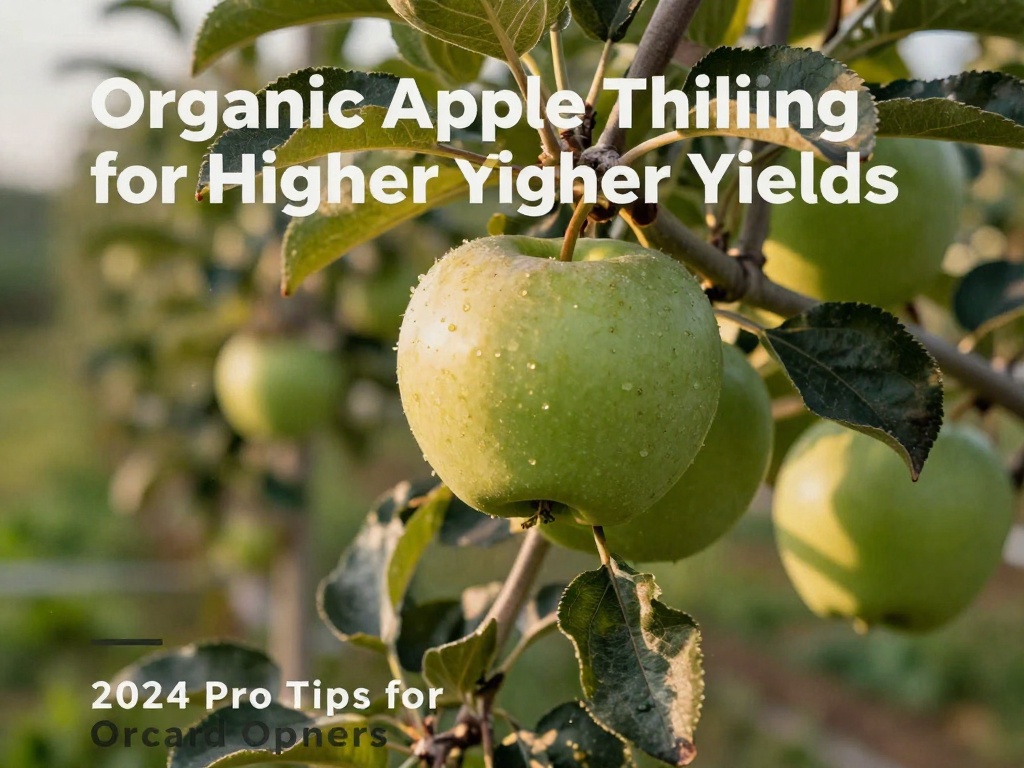
Organic Apple Thinning for Higher Yields: 2024 Pro Tips for Orchard Owners
Organic apple thinning for higher yields is a critical, non-negotiable practice for commercial and small-scale orchard owners focused on sustainable production. Thinning removes excess young fruit clusters to balance a tree’s energy output, preventing branch breakage, biennial bearing, and poor fruit quality. Unlike conventional methods that rely on synthetic chemicals, organic thinning uses natural, regulatory-compliant techniques that align with all global organic certification standards.
Why Organic Apple Thinning Delivers Consistent Long-Term Yields
Data from the 2023 USDA National Organic Program (NOP) survey confirms that properly thinned organic apple orchards see 22% higher net annual returns than unthinned operations. Thinning addresses the most common barriers to consistent, profitable apple production, with benefits that extend beyond a single harvest season.
Prevents Biennial Bearing Cycles
Biennial bearing is a widespread issue in unthinned apple trees, where a tree produces a massive, low-quality crop one year (on-year) and barely any fruit the next (off-year). Thinning evens out a tree’s fruit load, ensuring it allocates enough energy to develop flower buds for the following year’s harvest. A 2023 Washington State University Tree Fruit Research study found that organic thinning reduced biennial bearing incidents by 78% in high-value Honeycrisp orchards.
Boosts Fruit Size and Market Value
Excess fruit on a tree competes for sunlight, nutrients, and water, leading to small, blemished apples that rarely qualify for premium fresh market prices. Organic thinning ensures each remaining fruit has enough resources to grow to full size, with uniform color and firmness. The USDA reports that premium-grade organic apples sell for 35% more per pound than utility-grade fruit, making the small time investment in thinning well worth the return.
Extends Your Orchard’s Productive Lifespan
Overloaded tree branches often crack or break under the weight of excess fruit, leaving trees vulnerable to pests, disease, and permanent damage. Thinning removes that excess weight, reducing long-term stress on root systems and woody growth. The University of California Agriculture and Natural Resources department confirms that well-thinned organic apple orchards can remain productive for 30-40 years, compared to 20-25 years for unthinned operations.
Top 2024 Organic Apple Thinning Methods to Implement
Organic orchard owners can choose from a range of thinning methods suited to their operation’s size, budget, and apple varieties, all compliant with organic certification rules.
Hand Thinning (Gold Standard for Small Orchards)
Hand thinning is the most precise organic method, ideal for small-scale orchards or high-value varieties that require extra care. Workers remove all but one largest, healthiest fruit from each cluster, spacing remaining apples 6-8 inches apart along branches. While labor-intensive, hand thinning eliminates the risk of over-thinning or damaging tree growth, making it a staple for small organic orchard owners.
Natural Blossom Thinning Agents
For larger commercial orchards, organic-approved blossom thinners like lime sulfur, fish oil, or potassium bicarbonate reduce the number of successful pollinations, cutting down on excess fruit set. These agents are applied during full bloom, disrupting pollination enough to thin clusters without harming the tree or remaining flowers. A 2024 Penn State University study found that lime sulfur applications reduced excess fruit set by 45% in Fuji apple orchards, matching the efficiency of synthetic thinners.
Mechanical Thinning for Large-Scale Operations
Mechanical string thinners use rotating plastic cords to knock off small, excess young fruit from clusters 2-3 weeks after petal fall. This method is low-cost for large orchards, with modern models adjusting string speed and height to match tree variety and growth stage. The USDA’s 2023 Organic Production Survey found that mechanical thinning reduces labor costs by 60% compared to full hand thinning, with most owners adding a small amount of hand touch-ups to perfect fruit spacing.
Frequently Asked Questions
When is the best time to thin organic apple trees?
The ideal window for most post-bloom thinning methods is 2-4 weeks after full petal fall, when young fruit are ½ to 1 inch in diameter. Blossom thinners are applied during 70-100% full bloom to reduce excess pollination, while hand and mechanical thinning occur in the early fruit set stage to avoid wasting tree energy on excess fruit.
Can I thin apple trees too much, leading to lower yields?
Over-thinning is rare when following standard spacing guidelines, which recommend leaving 6-8 inches between individual apples and 30-40 leaves per fruit to support healthy growth. Each apple tree can only support a finite number of high-quality, marketable fruit, so proper thinning hits the sweet spot of maximum volume without sacrificing quality.
Is organic apple thinning more expensive than conventional thinning?
While hand thinning has higher upfront labor costs, organic thinning methods deliver 22% higher net returns annually than conventional methods, per 2023 USDA NOP data. Premium pricing for organic fruit, plus reduced long-term tree replacement costs, offset any initial labor or material investments. Many commercial orchard owners also use mechanical thinning to cut labor costs significantly, closing the gap between organic and conventional thinning expenses.
No comments