
2024 Essential Guide: Straw Mulch for Strawberry Rot Prevention to Boost Yields
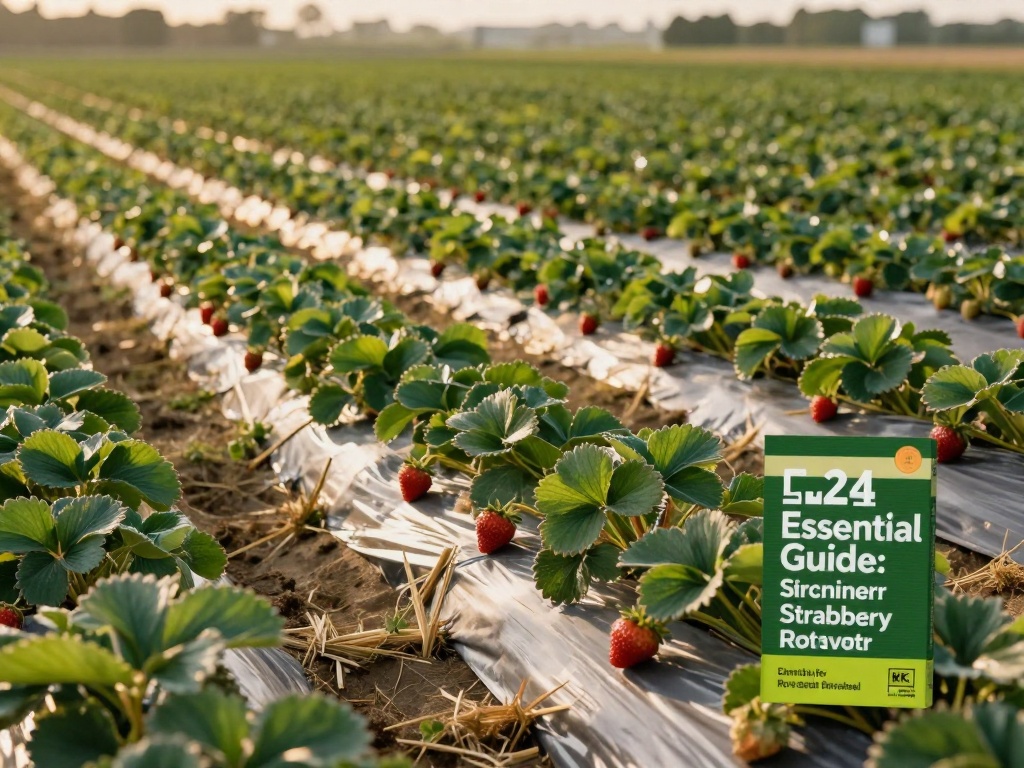
2024 Essential Guide: Straw Mulch for Strawberry Rot Prevention to Boost Yields
Strawberry growers lose up to 30% of their annual harvest to fungal rot, according to the University of California Agriculture and Natural Resources (UC ANR) department. Straw mulch for strawberry rot prevention is one of the most accessible, low-cost organic solutions that small and commercial growers can implement ahead of fruiting season. This simple practice addresses the root causes of common strawberry rots like gray mold and anthracnose, which thrive in wet, dirty conditions.
Why Straw Mulch Works to Stop Strawberry Rot
It Creates a Protective Barrier Against Soil-Borne Pathogens
Strawberry fruits sit low to the ground, so they easily come into contact with wet soil that harbors rot-causing fungi. Straw mulch elevates developing strawberries, eliminating direct soil contact and stopping pathogens from splashing onto fruit during rain or irrigation. UC ANR research confirms this barrier reduces gray mold incidence by up to 45% in coastal growing regions.
It Regulates Soil Moisture to Limit Fungal Growth
Fungal rot spores need consistent moisture to germinate and spread to healthy fruit. Straw mulch absorbs excess surface water while preventing rapid evaporation, maintaining a stable soil moisture level that doesn’t support rot development. Unlike plastic mulch, straw is porous, so it never traps standing water around the root zone of strawberry plants.
How to Apply Straw Mulch for Maximum Rot Prevention
Time Your Application Correctly
The best time to lay straw mulch is right after strawberry plants send out their first flower buds, usually 2-3 weeks before fruiting begins. Applying mulch too early can block new plant growth, while laying it too late leaves early-developing fruit exposed to soil pathogens. For most temperate growing zones, this falls between late April and early May.
Use the Right Quantity and Type of Straw
Avoid hay, which often contains weed seeds that can overrun your strawberry patch, and opt for clean, weed-free wheat or oat straw. Lay a 2-3 inch thick layer around each plant, leaving 1 inch of space around the crown to prevent rot from developing on the plant’s stem. A 50-pound bale of straw covers roughly 100 square feet of strawberry beds, per Penn State Extension.
Additional Benefits of Straw Mulch for Strawberry Growers
Beyond preventing rot, straw mulch offers a range of secondary benefits that boost long-term crop health. It suppresses weed growth that competes with strawberries for nutrients and sunlight, eliminating the need for frequent hand weeding. It also insulates soil during unexpected late spring frosts, protecting delicate flowers and young fruit from temperature damage.
By harvest time, straw keeps berries clean, reducing the amount of washing needed before sale or consumption. As it breaks down over time, it also adds organic matter to your soil, improving its structure and nutrient retention for future growing seasons.
Frequently Asked Questions
Can I use straw mulch for organic strawberry farming?
Yes, straw mulch is fully compliant with organic farming standards, as it adds no synthetic chemicals to your soil. It is a popular input among organic growers because it reduces reliance on approved organic fungicides for rot prevention.
How long does straw mulch last in a strawberry patch?
Most straw mulch breaks down over 1-2 growing seasons, adding valuable organic matter to your soil as it decomposes. You can top-dress the patch with a fresh layer of straw each spring to maintain consistent rot protection year after year.
Does straw mulch attract pests that harm strawberry plants?
When applied correctly, straw mulch rarely attracts problematic pests. Some growers may spot temporary slug populations, but you can mitigate this by pairing straw mulch with copper tape around bed edges, a non-toxic slug deterrent that preserves the mulch’s core rot-prevention benefits.
No comments