
10 Best Peppers for Container Gardening in Full Sun (2026 Guide)
10 Best Peppers for Container Gardening in Full Sun (2026 Guide)
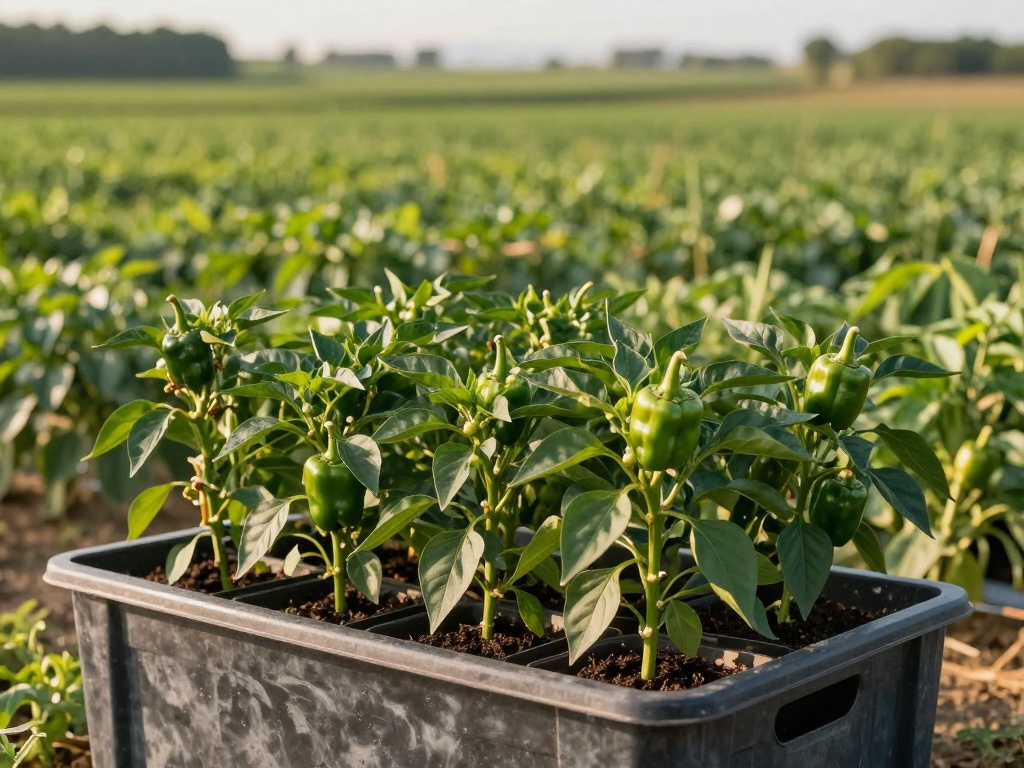
Container gardening offers an incredible opportunity to grow vibrant, sun-loving peppers even in limited spaces. Whether you have a small balcony, rooftop, or sunny patio, peppers thrive remarkably well in containers when given proper care and maximum sunlight exposure. Growing peppers in full sun containers allows you to control soil quality, drainage, and placement for optimal plant health and productivity.
Full sun is non-negotiable for pepper plants. These heat-loving vegetables originate from Central and South America, where they evolved under intense sunlight. When you provide at least 6-8 hours of direct sunlight daily, your container peppers will reward you with abundant harvests of sweet bell peppers, spicy chilies, or colorful ornamentals. This guide covers everything you need to know about successfully cultivating peppers in containers under full sun conditions.
Why Choose Container Gardening for Peppers
Container gardening transforms any sunny spot into a productive pepper garden. This method offers numerous advantages that make it increasingly popular among home gardeners.
Space Efficiency and Mobility
Container gardening allows you to maximize limited space while maintaining the ability to move plants as needed. You can position your pepper containers in the sunniest spots of your garden, balcony, or deck. When weather conditions change, containers can be moved to protected areas, extending your growing season significantly.
Better Pest and Disease Control
Growing peppers in containers creates a natural barrier against many soil-borne pests and diseases. Elevated containers reduce the risk of ground-dwelling insects attacking your plants. You also gain better control over soil conditions, preventing many common pepper ailments that affect garden-bed plantings.
Controlled Growing Environment
Containers let you customize soil mixtures specifically for pepper plants. You can ensure excellent drainage while maintaining optimal moisture levels. This control becomes especially valuable in regions with challenging soil conditions or unexpected weather patterns.
Best Pepper Varieties for Full Sun Container Gardening
Selecting the right pepper variety makes a significant difference in your container gardening success. These ten varieties excel in full sun container conditions.
Bell Peppers
Bell peppers remain the most popular choice for container gardeners. Varieties like California Wonder and King of the North produce large, blocky fruits with thick walls. These plants typically reach 18-24 inches in height, making them perfect for 5-gallon containers. They require consistent watering and benefit from stake support when fruiting heavily.
Jalapeno Peppers
Jalapeno peppers adapt excellently to container life. Plants grow compactly, usually 18-30 inches tall, and produce prolific yields of medium-heat peppers. These versatile peppers work wonderfully in containers as small as 3 gallons, though 5 gallons provides optimal results. Expect harvests of 20-30 peppers per plant throughout the season.
Banana Peppers
Banana peppers grow well in containers and produce sweet or mildly hot fruits depending on the variety. These long, curved peppers mature from yellow to orange to red. Plants remain manageable at 18-24 inches, thriving in full sun with minimal maintenance requirements.
Cherry Peppers
Cherry peppers offer compact growth habits ideal for container gardening. Plants typically reach just 12-18 inches but produce abundant small, round fruits. These peppers work excellently in smaller containers and add ornamental appeal to patios and decks with their colorful fruit display.
Habanero Peppers
Habanero peppers require warm conditions and full sun to reach their maximum potential. These productive plants grow 24-36 inches in containers and reward patient gardeners with intensely hot, aromatic fruits. Provide at least 5-gallon containers for each habanero plant and expect harvests of 50-100 peppers per season.
Cayenne Peppers
Cayenne peppers produce elongated, thin-walled fruits perfect for drying, cooking, or fresh use. Plants grow 18-24 inches tall and adapt remarkably well to container culture. These vigorous producers thrive in full sun and continue yielding until frost arrives.
Mini Sweet Peppers
Mini sweet peppers represent excellent choices for container gardening, with plants growing only 12-18 inches tall. These compact plants produce abundant small, sweet peppers in various colors. Multiple plants fit on a single sunny patio, providing diverse harvest options from limited space.
Poblano Peppers
Poblano peppers grow moderately in containers, reaching 24-30 inches with proper care. These large, heart-shaped peppers excel in Mexican cuisine and dry beautifully into ancho chiles. Provide sturdy support and 5-gallon minimum containers for optimal growth.
Thai chilies
Thai chili plants remain relatively compact while producing prolific yields of small, fiery peppers. These ornamental varieties feature colorful fruits ranging from green to red, orange, or purple. Container gardeners appreciate their beauty combined with culinary versatility.
Shishito Peppers
Shishito peppers have gained tremendous popularity among container gardeners. These Japanese heirloom peppers produce abundant small fruits with thin walls and mild heat. Plants grow 18-24 inches and thrive in full sun containers, producing continuous harvests throughout summer.
Choosing the Right Container
Container selection significantly impacts pepper plant success. Several factors determine which containers best serve your pepper gardening goals.
Size Requirements
Pepper plants require adequate root space for healthy development. Most pepper varieties perform best in containers holding 3-5 gallons of soil. Larger varieties like bell peppers and habaneros benefit from 5-7 gallon containers. Ensure containers have minimum depth of 12 inches to accommodate pepper root systems properly.
Material Considerations
Various container materials offer distinct advantages. Plastic containers remain lightweight and affordable, retaining moisture well in full sun conditions. Fabric grow bags provide excellent drainage and air pruning benefits for roots. Terracotta and clay pots offer classic aesthetics but require more frequent watering due to their porous nature.
Drainage Essentials
Proper drainage prevents root rot and other moisture-related problems. Select containers with multiple drainage holes or drill additional holes if needed. Elevate containers slightly using pot feet or trays to ensure water flows freely from drainage openings.
Optimal Soil and Growing Medium
Creating the ideal growing medium for container peppers requires balancing several key factors. Peppers demand well-draining soil that retains sufficient moisture for healthy growth.
Commercial Potting Mix Solutions
Quality commercial potting mixes serve as excellent foundations for container peppers. Choose mixes specifically formulated for vegetables or container gardening. These products typically contain peat moss, perlite, vermiculite, and balanced nutrients that support healthy pepper development.
DIY Soil Mix Recipe
Creating your own potting mix provides complete control over ingredients. Combine equal parts of peat moss or coco coir, perlite, and quality compost. Add slow-release fertilizer according to package directions. This blend provides excellent drainage while maintaining adequate moisture retention for pepper plants.
Amendments for Optimal Growth
Enriching your potting mix with additional amendments improves pepper performance. Incorporate slow-release organic fertilizer at planting time. Add calcium supplementation through garden lime or crushed eggshells to prevent blossom end rot. Worm castings provide beneficial microorganisms and gentle nutrition throughout the growing season.
Full Sun Requirements and Placement
Understanding pepper sunlight requirements helps ensure your container garden thrives throughout the growing season. Full sun exposure directly influences plant vigor, flowering, and fruit development.
Minimum Sunlight Hours
Pepper plants require minimum 6-8 hours of direct sunlight daily for optimal performance. However, 8-12 hours of full sun exposure produces the best results, especially for fruit-bearing varieties. South-facing locations typically provide the most consistent sunlight exposure in northern hemisphere gardens.
Managing Heat Stress
While peppers love sun, extreme heat can stress plants and reduce fruit set. When temperatures exceed 90°F (32°C), container peppers may benefit from afternoon shade. Monitor plants for signs of heat stress including wilting, blossom drop, or sunscald on developing fruits.
Positioning for Success
Place your pepper containers where they receive unobstructed sunlight throughout the day. Avoid locations near tall structures or plants that cast shadows during peak sun hours. Reflective surfaces like light-colored walls can increase light exposure, benefiting sun-loving pepper plants.
Watering and Feeding Guide
Proper watering and nutrition form the foundation of successful container pepper gardening. Full sun exposure increases water needs significantly compared to garden-bed plantings.
Watering Frequency and Techniques
Container peppers in full sun typically require daily watering during hot summer months. Check soil moisture by inserting your finger 1-2 inches into the soil. Water thoroughly until excess drains from bottom openings, ensuring entire root zones receive moisture. Early morning watering allows foliage to dry before evening, reducing disease risks.
Fertilization Schedule
Pepper plants benefit from regular feeding throughout the growing season. Begin with balanced fertilizer at planting time, transitioning to phosphorus-rich formulations once flowering begins. Apply water-soluble fertilizer every 2-3 weeks according to package directions. Avoid excessive nitrogen, which promotes foliage growth over fruit production.
Signs of Nutrient Deficiency
Monitor plants for indicators of nutritional problems. Yellowing lower leaves often signal nitrogen deficiency. Purple-tinged foliage suggests phosphorus shortage. Poor fruit development despite healthy foliage may indicate potassium deficiency. Address deficiencies promptly with appropriate fertilizer applications.
Common Problems and Solutions
Even with excellent care, container peppers sometimes encounter problems. Understanding common issues helps you diagnose and resolve problems quickly.
Pest Management
Aphids, spider mites, and whiteflies commonly affect container peppers. Inspect plants regularly, checking undersides of leaves for pest activity. Remove small infestations manually or with strong water sprays. Introduce beneficial insects like ladybugs for natural pest control. Apply insecticidal soap for persistent problems.
Disease Prevention
Fungal diseases thrive in humid conditions and overwatered containers. Prevent problems by ensuring adequate air circulation between containers. Avoid wetting foliage when watering. Remove infected plant parts immediately. Choose disease-resistant varieties when available.
Environmental Stress Response
Pepper plants show stress through various symptoms. Blossom drop often indicates temperature extremes or inconsistent watering. Leggy growth suggests insufficient sunlight. Curled leaves may signal heat stress or pest problems. Address root causes promptly to restore plant health.
Harvesting Your Container Peppers
Knowing when and how to harvest significantly impacts your container pepper success. Proper harvesting techniques encourage continued production throughout the season.
Harvest Timing
Most peppers can be harvested at various maturity stages. Green peppers harvested early often encourage increased production. Allowing peppers to ripen to their final color typically provides sweeter flavor and higher nutritional content. Check individual variety characteristics for optimal harvest timing.
Harvesting Techniques
Use clean, sharp scissors or pruning shears when harvesting peppers. Cut peppers from plants rather than pulling, which damages stems and fruit. Harvest regularly to encourage continued flowering and fruit production. Handle harvested peppers gently to prevent bruising.
Extending Harvest Season
Extend your pepper harvest by moving containers to protected areas during cool autumn nights. Cover plants with row covers or frost cloth when frost threatens. Some varieties continue producing until temperatures drop significantly below freezing.
Frequently Asked Questions
What size container is best for growing peppers in full sun?
Five-gallon containers provide ideal growing conditions for most pepper varieties. This size offers sufficient root space for healthy development while remaining manageable for moving. Smaller varieties like cherry peppers and mini sweets can thrive in 3-gallon containers, while larger varieties benefit from 7-gallon or larger vessels.
How often should I water peppers in containers during summer?
Container peppers in full sun typically require daily watering during hot summer conditions. Check soil moisture each morning and water when the top inch of soil feels dry. During extreme heat waves, peppers may need watering twice daily. Ensure containers have adequate drainage to prevent waterlogging.
Can peppers get too much sun in containers?
While peppers are sun-loving plants, extreme heat combined with intense sun can cause stress. Temperatures above 95°F (35°C) combined with direct sun may cause blossom drop, sunscald, or wilting. Monitor plants during heat waves and provide temporary afternoon shade if signs of heat stress appear.
What is the best fertilizer for container-grown peppers?
Container peppers benefit from balanced fertilizers early in growth, transitioning to phosphorus-rich formulations once flowering begins. Use fertilizers with NPK ratios around 5-10-10 during flowering and fruiting. Organic options include fish emulsion, compost tea, and slow-release organic granules. Apply according to package directions to avoid over-fertilization.
How do I overwinter pepper plants grown in containers?
Move container peppers indoors before first frost to potentially overwinter plants. Place them in a sunny window receiving at least 6 hours of light. Reduce watering significantly during winter dormancy. Prune plants back by half in early spring and gradually increase watering as new growth emerges. This technique works best with younger, smaller pepper plants.
No comments