
5 Secrets to Seed Starting Tomatoes Indoors Successfully
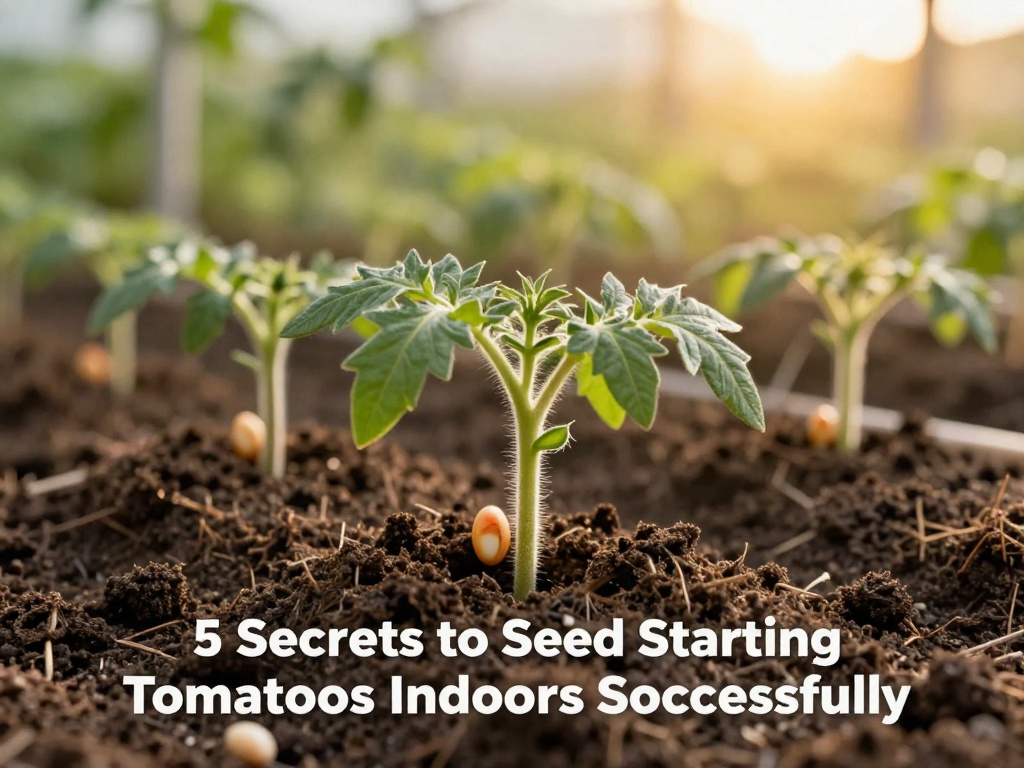
5 Secrets to Seed Starting Tomatoes Indoors Successfully
Seed starting tomatoes indoors gives you a head start on the growing season and ensures stronger, healthier plants. This complete guide reveals the proven techniques that professional growers use to produce robust tomato seedlings ready for transplanting. Whether you are a beginner or experienced gardener, these secrets will transform your indoor seed starting results.
Why Start Tomato Seeds Indoors?
Starting tomato seeds indoors extends your growing season by 6-8 weeks. This advantage matters significantly in regions with short summers where tomatoes struggle to mature before fall frost arrives. Indoor seed starting also provides better control over germination conditions, resulting in more consistent and vigorous seedlings.
Additionally, growing from seed offers access to hundreds of tomato varieties unavailable as transplants at local garden centers. You can experiment with heirloom varieties, cherry tomatoes, beefsteak types, and specialty cultivars that match your climate and taste preferences perfectly.
Secret #1: Timing Your Seed Starting Correctly
Calculating the Right Start Date
Most tomato varieties need 6-8 weeks before the last expected frost date to reach optimal transplant size. Count backward from your area's last frost date to determine when to plant seeds. Gardeners in Zone 5 typically start seeds in early March, while those in Zone 8 might begin in late January.
Understanding Variety-Specific Timing
Different tomato types have varying maturation rates. Indeterminate varieties generally need more time indoors than determinate types. Large beefsteak tomatoes often require the full 8 weeks, while compact cherry tomato varieties may only need 6 weeks of indoor growth before transplanting.
Secret #2: Creating the Perfect Growing Environment
Temperature Requirements
Tomato seeds germinate best at soil temperatures between 70-80°F (21-27°C). Maintain these temperatures consistently for fastest germination, typically within 5-10 days. Using a heat mat underneath seed trays provides reliable warmth that windowsills alone cannot guarantee, especially during unpredictable spring weather.
Lighting Essentials
Seedlings require 14-16 hours of bright light daily for compact, sturdy growth. Position grow lights 2-4 inches above the seedling tops and raise them as plants develop. Without adequate light, tomato seedlings become leggy, weak, and more susceptible to disease after transplanting.
Humidity and Air Circulation
Cover seed trays with humidity domes until most seeds germinate, then remove them gradually. Proper air circulation prevents fungal problems like damping-off. A small fan nearby promotes strong stems and prepares seedlings for outdoor conditions they will face after transplanting.
Secret #3: Using the Right Soil and Containers
Choosing Seed Starting Mix
Select a sterile, lightweight seed starting mix specifically formulated for germination. These mixes contain fine particles that make excellent seed-to-soil contact while providing proper drainage. Avoid using garden soil or regular potting mix, as these can harbor disease organisms and compact too tightly for tender seedling roots.
Container Selection Tips
Seed starting tomatoes indoors works well with cell packs, peat pots, or recycled containers with drainage holes. Cells around 2-3 inches deep work perfectly for the 6-8 week indoor period. Deeper containers are unnecessary and may hold excess moisture that leads to root problems.
Secret #4: Proper Watering and Nutrition
Watering Techniques
Keep seed starting mix consistently moist but never waterlogged. Water from below by setting trays in containers of water, allowing moisture to wick upward. This method encourages deep root development while keeping foliage dry and disease-free. Check trays daily as seedlings grow and temperatures increase.
Feeding Young Seedlings
Once seedlings develop their second set of true leaves, begin feeding with a diluted balanced fertilizer (half-strength). Continue feeding every 7-10 days. Healthy seedlings should display vibrant green leaves and steady, compact growth without becoming pale or spindly.
Secret #5: Hardening Off Before Transplanting
The Hardening Process
Hardening off gradually acclimates indoor-grown seedlings to outdoor conditions over 7-14 days. Begin by placing seedlings outside in shade for 1-2 hours, gradually increasing time and sun exposure daily. This transition prevents transplant shock and reduces stress that can set plants back for weeks.
What to Watch For
During hardening, monitor seedlings for signs of stress including wilting, leaf burn, or purpling stems. Adjust exposure accordingly and ensure adequate watering during this period. Well-hardened seedlings develop a slight purple tint on stems and leaves, indicating they have built up natural sun protection.
Common Mistakes to Avoid
Many gardeners fail when seed starting tomatoes indoors by starting seeds too early, which leads to oversized seedlings that struggle in containers. Others underwater or overwater, both of which cause serious growth problems. Insufficient lighting remains the most common reason for poor results, creating weak seedlings that never thrive after transplanting.
Using contaminated containers or non-sterile soil introduces disease problems that can devastate entire seedling crops. Likewise, skipping the hardening-off process guarantees transplant failure, especially in climates with significant temperature swings between day and night.
FAQ
When should I start tomato seeds indoors?
Start tomato seeds indoors 6-8 weeks before your last expected frost date. Count backward from this date to determine your planting schedule. Adjust based on your specific tomato varieties and local climate conditions.
Do tomato seeds need light to germinate?
Tomato seeds do not require light for germination, but they need warmth (70-80°F) and consistent moisture. Once seedlings emerge, they require 14-16 hours of bright light daily to grow strong and compact rather than leggy.
How do I prevent damping-off in tomato seedlings?
Prevent damping-off by using sterile seed starting mix, ensuring good air circulation, avoiding overwatering, and keeping humidity levels moderate. Remove any affected seedlings immediately to prevent spread to healthy plants.
When are tomato seedlings ready for transplanting outdoors?
Tomato seedlings are ready for transplanting when they are 6-10 inches tall with thick stems, have 2-3 sets of true leaves, and have been properly hardened off. Outdoor soil temperature should reach at least 60°F (16°C) consistently.
No comments