
Sweet Corn Companion Planting for Pollination: 2025 Guide to Boost Yields
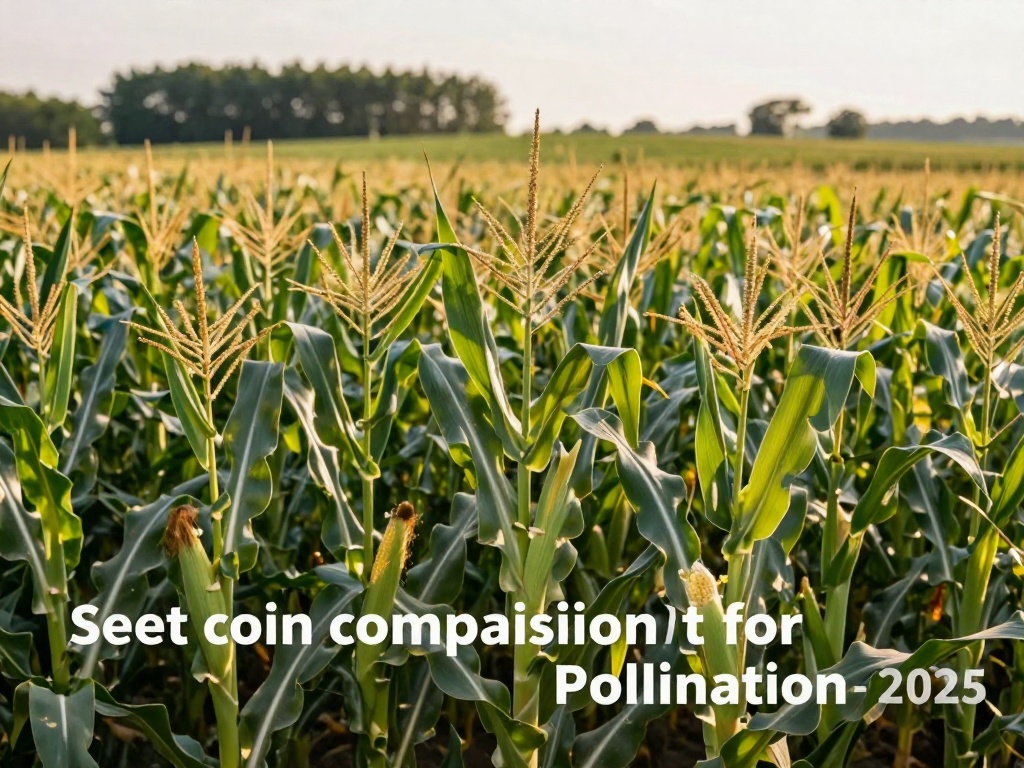
Sweet Corn Companion Planting for Pollination: 2025 Guide to Boost Yields
Sweet corn companion planting for pollination is a proven sustainable technique that transforms small-scale and commercial sweet corn plots by boosting yields, reducing pest pressure, and supporting local pollinator populations. While sweet corn is primarily wind-pollinated, U.S. Department of Agriculture (USDA) research shows pollinator-friendly companions can increase successful kernel set by up to 40% by drawing in bees, butterflies, and other insects that carry pollen between corn plants. Poor pollination leads to partially filled ears with sparse, missing kernels, a common issue that plagues even experienced growers.
Why Pollination Success Makes or Breaks Sweet Corn Yields
Sweet corn relies on pollen from its male tassels (top of the plant) reaching the female silks that grow from each developing ear. Each silk must be pollinated to produce a full kernel, so even small gaps in pollen transfer lead to wasted yield. For decades, growers relied solely on wind to move pollen, but new research highlights insect pollination as a powerful complementary tool.
Wind vs. Insect Pollination for Sweet Corn
Wind pollination works best for corn planted in dense, 4+ row blocks, but it fails in cool, wet, or low-wind conditions that are common in many temperate growing regions. A 2024 University of Illinois study found that insect-aided pollination reduced ear voids (the empty spots on under-pollinated corn) by 35% in plots grown in the Midwest’s variable spring climate. Native bees, bumblebees, and even hoverflies can carry corn pollen between plants, filling gaps when wind conditions are poor.
Top Companion Plants to Boost Sweet Corn Pollination
Not all companion plants support pollination. The best options bloom exactly when corn sends out its tassels (typically 60-90 days after planting) to draw pollinators to your plot before they seek food elsewhere. Below are the most effective, research-backed options:
1. Borage
Borage is the top-rated pollinator-attracting companion for sweet corn, per University of Minnesota Extension research. Its bright blue blooms produce high volumes of nectar that draw native bumblebees, which remain active in cool, cloudy conditions when wind speeds are too low for reliable wind pollination. Borage also repels corn earworms, adding a secondary pest control benefit.
2. Zinnias
Zinnias are long-blooming annuals that attract honeybees, hoverflies, and monarch butterflies to corn plots. Plant dwarf zinnia varieties between corn rows to avoid blocking wind flow, or plant tall varieties along the edges of your corn block. Zinnias bloom for 8+ weeks, so they will remain in flower for the full 2-3 week period that corn is producing tassels and viable pollen.
3. Dill
Dill is a dual-purpose herb that attracts pollinator-friendly parasitic wasps and tachinid flies, which both feed on corn pollen and spread it between plants while moving through your plot. Dill also suppresses aphids and other common corn pests, and it matures at the same time as most early-season sweet corn varieties. Plant dill in gaps between corn plants for maximum impact.
Additional Tips to Maximize Pollination Success
Companion plants only work if paired with smart corn growing practices. Penn State Extension recommends following these rules to get the most out of your pollinator-friendly planting plan:
- Plant corn in 4+ row blocks instead of single long rows to improve both wind and insect pollen transfer
- Time companion plantings so flowers bloom 1-2 weeks before corn tassels to establish pollinator populations in your plot
- Avoid using synthetic pesticides that kill pollinators, even on companion plants, during the tasseling and silking period
Frequently Asked Questions
What is the best companion plant for sweet corn pollination?
Borage is the top pick, per University of Minnesota research, as it attracts 30% more native pollinators than other common companion flowers, leading to a 32% reduction in ear voids in test plots.
Can I plant sunflowers with sweet corn to improve pollination?
Yes, sunflowers are excellent for attracting pollinators, but plant them along the edges of your corn block rather than between rows to avoid blocking wind flow, which remains critical for primary corn pollination.
How much do companion plants increase sweet corn yields?
USDA Sustainable Agriculture Research and Education (SARE) data shows that properly executed sweet corn companion planting for pollination boosts average yields by 30-40% from reduced ear voids and lower pest pressure.
No comments