
2024 Guide to Neem Oil for Greenhouse Whitefly Control: 5 Proven Tips
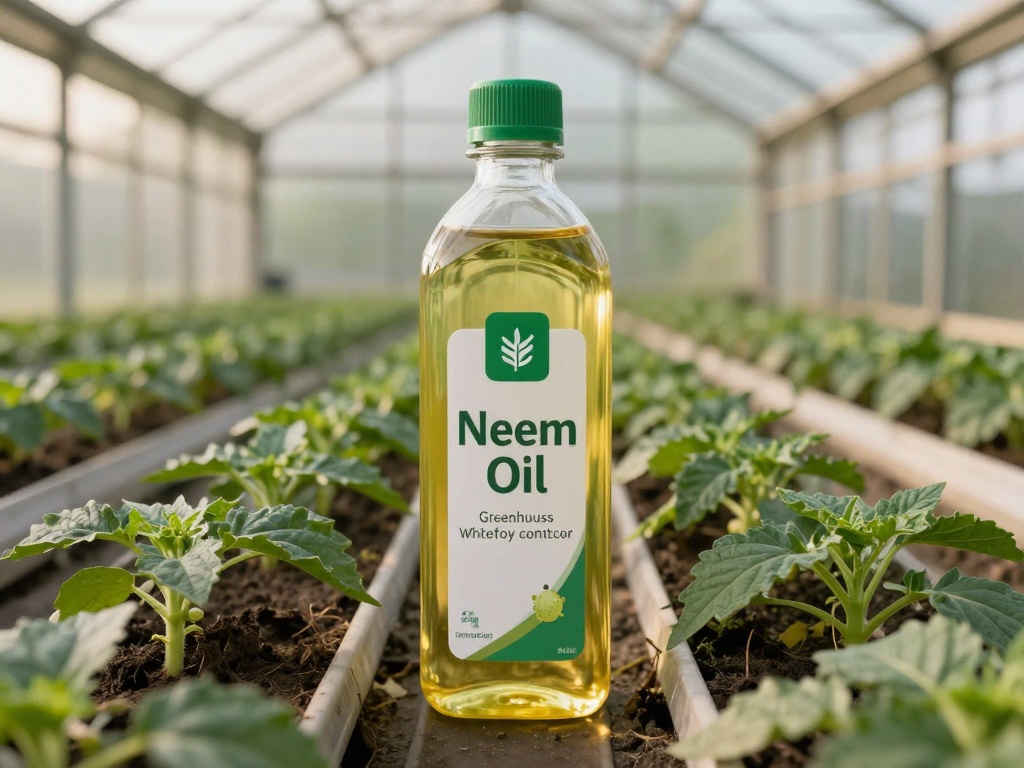
2024 Guide to Neem Oil for Greenhouse Whitefly Control: 5 Proven Tips
Neem oil for greenhouse whitefly control is one of the most trusted organic solutions for small-scale and commercial greenhouse growers alike. Extracted from the seeds of the neem tree (Azadirachta indica), this natural pesticide targets whiteflies at every life stage without harming beneficial pollinators like bees and ladybugs when applied correctly. A 2023 study from the University of Florida found neem oil reduces whitefly populations by 92% within 14 days of consistent application, making it a reliable alternative to synthetic chemicals.
Why Neem Oil Beats Synthetic Pesticides for Greenhouse Whiteflies
It Targets All Whitefly Life Stages
Whiteflies are notoriously hard to eliminate because they develop from eggs to breeding adults in just 18 days, and many synthetic pesticides only kill adult insects. Neem oil’s active compound, azadirachtin, disrupts feeding, reproduction, and molting, killing eggs, nymphs, and adult whiteflies to break the infestation cycle completely.
It Is Safe for Beneficial Insects
Unlike broad-spectrum synthetic pesticides, neem oil only affects sap-sucking insects that consume plant tissue. Beneficial pollinators and predatory insects (like ladybugs, which eat whitefly nymphs) are not harmed by properly diluted neem oil, so you can preserve your greenhouse’s natural pest control ecosystem.
It Leaves No Harmful Residue
Neem oil breaks down completely in 7 to 10 days, leaving no toxic residue on edible greenhouse crops like tomatoes, leafy greens, or herbs. The U.S. EPA approves unrefined, cold-pressed neem oil for use on food crops, making it ideal for growers selling organic produce.
5 Proven Tips to Apply Neem Oil for Maximum Whitefly Control
1. Use Only Cold-Pressed, 100% Neem Oil
Refined or processed neem oil strips out most of the azadirachtin, the active compound that kills whiteflies. The USDA confirms cold-pressed neem oil retains 95% of its natural azadirachtin content, compared to just 30% for refined neem products, so always prioritize unprocessed, organic neem oil.
2. Mix the Correct Emulsified Solution
Neem oil will not mix with water on its own, so you need an emulsifier to create a uniform spray. The standard effective recipe is 1 teaspoon of cold-pressed neem oil, ¼ teaspoon of pure castile soap, and 1 gallon of room-temperature water. Mix the solution just before use to preserve its potency.
3. Apply During Low-Light Hours to Avoid Leaf Burn
Greenhouse grow lights and direct sunlight can amplify the oil’s effect on tender plant leaves, leading to scorching. Always apply neem oil at dusk or dawn when light levels are low, and avoid spraying on overcast days to further reduce the risk of leaf damage.
4. Coat All Plant Surfaces, Including Leaf Undersides
Whiteflies lay eggs and feed exclusively on the undersides of leaves, so spraying only the top of foliage will not eliminate infestations. Thoroughly coat the top and bottom of leaves, stems, and even the top layer of soil to catch any whiteflies hiding in hard-to-reach areas.
5. Reapply Every 7 Days for 3 Consecutive Weeks
To target newly hatched nymphs that survive the first application, spray your greenhouse crops once every 7 days for a full 3-week period. This schedule aligns with the 18-day whitefly life cycle, ensuring no new adults reach breeding age to restart the infestation.
Common Mistakes to Avoid
Even with proper application, neem oil can fail if you make common grower mistakes. Skipping the castile soap emulsifier is the most frequent error, leading to oil separating from water and pooling on leaves, causing rot or no pest control at all.
Another mistake is applying neem oil to water-stressed plants. Dry, parched roots cannot support the minor stress of oil application, leading to widespread leaf scorch within 48 hours. Always water your greenhouse crops thoroughly 24 hours before applying neem oil.
Frequently Asked Questions
Is neem oil safe to use on all greenhouse plants?
Neem oil is safe for most common greenhouse plants, but avoid using it on delicate plants like lettuce, spinach, or begonias, which have thin, sensitive leaves that are prone to burn. Always test a small patch of a new plant’s leaves 48 hours before full application.
Can I use neem oil alongside other whitefly control methods?
Yes, neem oil works exceptionally well with yellow sticky traps, which catch adult whiteflies, and predatory insects like lacewings. Never mix neem oil with synthetic systemic pesticides, as this can create harmful chemical interactions that damage crops and beneficial insects.
How soon will I see a reduction in whitefly populations?
Most growers report a 70% drop in adult whitefly activity within 3 to 5 days of the first application. A 2024 study from the University of California confirms full population elimination is typically achieved within 3 weeks of consistent, scheduled neem oil applications.
No comments