
Pruning Container Gardening in Full Sun: 10 Expert Tips
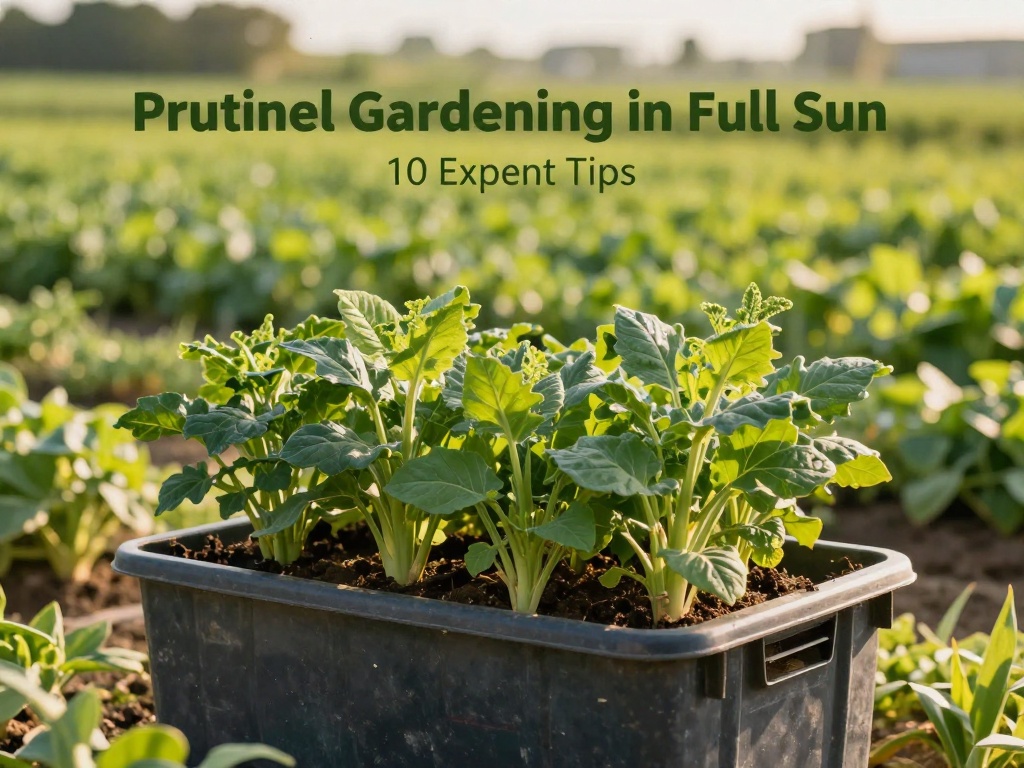
Pruning Container Gardening in Full Sun: 10 Expert Tips
Pruning container gardening in full sun requires a unique approach compared to traditional garden beds. The intense sunlight, limited root space, and concentrated growth patterns of potted plants demand specific pruning techniques to thrive. Whether you are growing vegetables, herbs, or flowering plants, understanding how to properly prune your sun-loving container plants can make the difference between a struggling specimen and a flourishing display.
Why Pruning Matters for Full Sun Container Plants
Full sun environments create exceptional growing conditions, but they also stress plants in ways shade gardens never experience. Container plants in full sun face higher evaporation rates, more vigorous top growth, and faster nutrient depletion. Without proper pruning, your plants become leggy, produce smaller fruits, and become susceptible to pests and diseases that thrive in stressed vegetation.
The Container Pruning Advantage
Unlike in-ground plants, container specimens have restricted root systems that cannot search for nutrients or water beyond their pot boundaries. This confinement makes strategic pruning even more critical. When you remove excessive growth, you redirect the plant's energy toward root development, fruit production, and disease resistance rather than supporting unnecessary foliage.
10 Essential Pruning Techniques for Sun-Loving Containers
1. Pinch Early, Pinch Often
The golden rule of pruning container gardening in full sun involves starting early in the season. Pinching the terminal growing points of young plants encourages bushier growth and more flowering sites. For herbs like basil and mint, frequent pinching prevents early bolting and extends your harvest window significantly.
2. Remove Damaged Foliage Immediately
Full sun containers experience leaf scorch, wind burn, and heat stress that manifest as brown edges or yellow patches. Removing these damaged areas immediately prevents fungal spores from establishing and redirects the plant's resources toward healthy growth.
3. Thin Crowded Branches
Air circulation becomes challenging in dense container plantings. Thin interior branches to open the plant's center, allowing light penetration and airflow that discourage fungal diseases common in warm, humid conditions.
4. Deadhead Spent Blooms Regularly
For flowering containers like petunias, marigolds, and roses, removing spent blooms triggers continued flowering. This practice, called deadheading, prevents seed formation and encourages the plant to produce more blossoms instead.
5. Train Climbers with Strategic Cuts
Vining plants in full sun containers, such as tomatoes, cucumbers, and morning glories, benefit from training and selective pruning. Remove suckers on tomato plants to direct energy toward fruit production while maintaining adequate foliage to protect fruits from sunscald.
6. Prune According to Growth Pattern
Understand whether your plant produces fruit on old wood or new growth. Blueberries, for example, require different pruning than tomatoes. Pruning at the wrong time can eliminate your entire harvest for the season.
7. Maintain Balanced Foliage-to-Root Ratio
In containers, the foliage must remain proportional to the root system. When roots become pot-bound, they struggle to support excessive top growth. Prune back foliage by up to one-third when transplanting to larger containers to establish balance.
8. Use Clean, Sharp Tools
Sterilize your pruning tools between plants to prevent disease transmission. Sharp bypass pruners make clean cuts that heal quickly, reducing entry points for pathogens in your sun-stressed containers.
9. Prune During Cool Morning Hours
Schedule pruning sessions for early morning when plants are hydrated and temperatures remain moderate. Pruning during midday heat causes additional stress and slows healing in full sun conditions.
10. Adjust Pruning for Plant Type
Vegetables, herbs, and ornamentals each require tailored approaches. Focus on removing non-productive growth on vegetables, harvest regularly from herbs to promote branching, and shape ornamentals for aesthetic appeal.
Seasonal Pruning Calendar for Full Sun Containers
Timing your pruning activities throughout the growing season ensures optimal results. Early spring pruning prepares plants for vigorous growth. Mid-summer pruning manages overgrown specimens and removes heat-damaged growth. Fall pruning prepares plants for dormancy or extends the growing season in mild climates.
Spring Pruning Guidelines
As temperatures warm and containers receive increased sunlight, assess winter-damaged branches and remove anything showing dieback. Shape plants early while growth remains slow, allowing cuts to heal before peak summer heat arrives.
Summer Maintenance Pruning
Summer demands frequent attention. Remove any yellowing leaves, trim excessive growth blocking light to lower foliage, and continue harvesting or deadheading to maintain plant vigor through the hottest months.
Common Pruning Mistakes to Avoid
Over-pruning remains the most common error gardeners commit with container plants in full sun. Removing too much foliage exposes remaining leaves to sunscald and reduces the plant's ability to photosynthesize effectively. Never remove more than one-third of a plant's total foliage at any single pruning session.
Another frequent mistake involves using dull tools that crush stems rather than cutting cleanly. Jagged cuts take longer to heal and invite disease organisms into your plants.
Benefits of Consistent Container Pruning
Dedicated pruning transforms your container garden's appearance and productivity dramatically. Plants develop stronger stems, produce more flowers and fruits, resist diseases better, and maintain compact shapes suitable for their containers. Sun-loving plants especially benefit from regular attention, as proper pruning balances their naturally vigorous growth habits.
FAQ
When is the best time to prune container plants in full sun?
The optimal time for pruning container plants in full sun is during early morning hours when temperatures are cooler and plants are well-hydrated. Avoid pruning during midday heat or immediately before cold nights, as these conditions stress freshly cut plants and slow healing.
How often should I prune my full sun container garden?
Most container plants benefit from light pruning every one to two weeks during the growing season. Remove dead or damaged foliage as soon as you notice it, while conducting more thorough shaping and training sessions monthly. Consistent attention prevents overgrowth and maintains plant health.
Can over-pruning kill container plants?
Yes, over-pruning can severely stress or kill container plants, especially those in full sun. Removing too much foliage reduces the plant's ability to photosynthesize and makes remaining leaves vulnerable to sunscald. Always follow the one-third rule and never remove more than 30% of total foliage in a single session.
No comments