
10 Proven Benefits of Raised Bed Gardening for Urban Areas in 2024
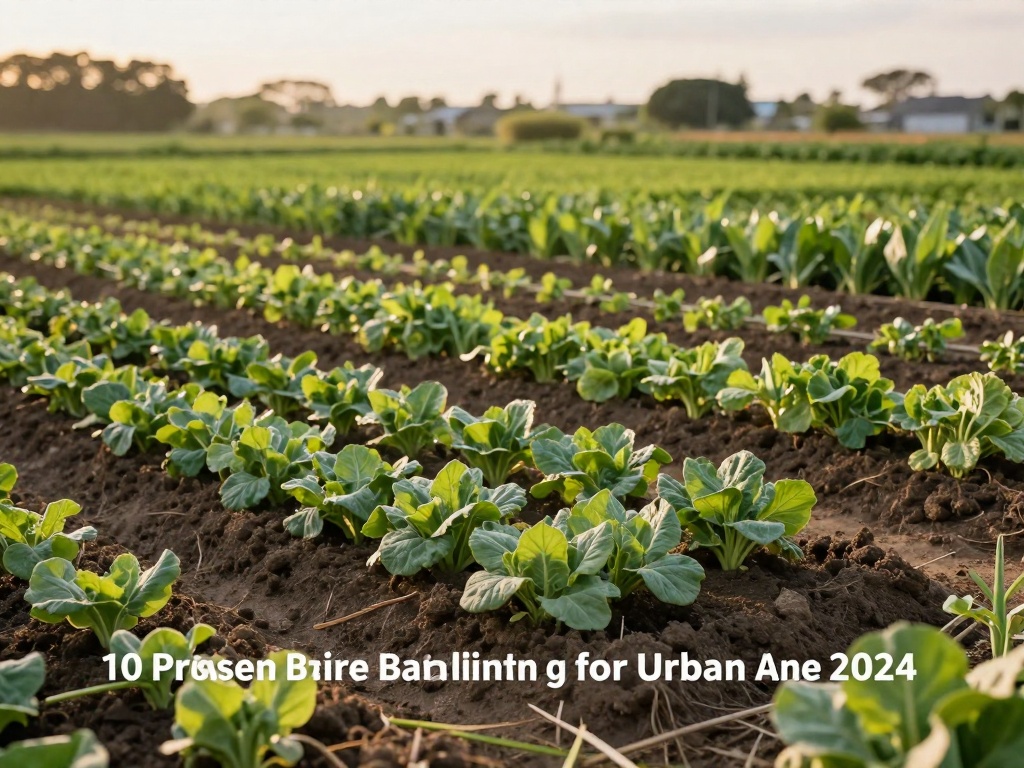
10 Proven Benefits of Raised Bed Gardening for Urban Areas in 2024
Raised bed gardening urban areas has become a transformative solution for city dwellers seeking fresh produce and green spaces. Whether you have a tiny balcony, rooftop, or small backyard, raised beds offer an accessible way to grow vegetables, herbs, and flowers without traditional in-ground planting. This comprehensive guide explores why this gardening method is revolutionizing urban agriculture and how you can get started.
What Is Raised Bed Gardening?
Raised bed gardening involves growing plants in soil that sits above ground level, typically contained within wooden, metal, or composite frames. These beds are filled with enriched soil混合物 that provides optimal growing conditions for plants. Unlike traditional garden plots, raised beds offer complete control over soil quality, drainage, and plant spacing.
For urban dwellers, raised beds solve common challenges like poor native soil, limited space, and contaminated ground. They can be placed on concrete, patios, rooftops, or any level surface, making them ideal for apartment residents and homeowners alike.
Top 10 Benefits of Raised Bed Gardening in Urban Settings
1. Superior Soil Control
Urban soil often contains heavy metals, pollutants, or poor drainage characteristics. Raised bed gardening urban areas allows you to create a custom soil mix free from contaminants. You control every component—from organic matter to pH levels—ensuring your plants thrive in premium growing medium.
2. Maximized Small Spaces
Limited square footage doesn't mean limited harvest potential. Raised beds utilize vertical growing space efficiently and can be designed to fit narrow balconies, corner spots, or along fences. Even a 4x8 foot raised bed produces enough vegetables for a small family throughout the growing season.
3. Enhanced Drainage
Elevated soil beds drain faster than ground-level gardens, preventing waterlogging and root rot. This proves especially valuable in urban areas with clay-heavy or compacted soil. Proper drainage also reduces fungal disease problems common in humid conditions.
4. Reduced Physical Strain
Traditional gardening requires constant bending and kneeling. Raised beds can be constructed at waist height, eliminating back pain and making gardening accessible for seniors and people with mobility limitations. This ergonomic advantage encourages consistent garden maintenance.
5. Extended Growing Season
Elevated soil warms faster in spring and stays warmer longer into fall compared to ground soil. This thermal advantage allows urban gardeners to start planting earlier and continue harvesting later, effectively extending your productive growing season by several weeks.
6. Minimized Pest Problems
Raised beds create natural barriers against ground-dwelling pests like slugs, snails, and some soil insects. Adding hardware cloth at the bottom prevents burrowing animals from damaging roots. Combined with companion planting, pest management becomes significantly easier.
7. Weed Suppression
Quality potting mix in raised beds contains fewer weed seeds than garden soil. The contained environment and proper mulching virtually eliminate weed competition, freeing up your time for actual plant care instead of endless pulling.
8. Improved Accessibility
Raised bed gardening urban areas accommodates renters who cannot modify permanent structures. Beds can be moved if you relocate, making them perfect for transient populations. Many community gardens now feature accessible raised beds for disabled gardeners.
9. Higher Crop Yields
Dense planting in raised beds—following square foot gardening principles—produces more harvest per square foot than traditional row gardening. Intensive spacing combined with optimal soil conditions typically yields 2-3 times more produce compared to conventional methods.
10. Aesthetic Appeal
Well-built raised beds add visual structure and beauty to urban landscapes. They transform cluttered patios into organized growing spaces and can serve as attractive focal points that increase property values while providing fresh, organic produce.
How to Build Your First Urban Raised Bed
Choosing the Right Location
Most vegetables require 6-8 hours of direct sunlight daily. Observe your space throughout the day before selecting placement. South-facing locations work best in the Northern Hemisphere. Consider proximity to water sources and wind exposure when planning your garden layout.
Selecting Materials and Size
Untreated cedar or redwood naturally resists rot and lasts 10-15 years. Galvanized steel offers modern aesthetics with exceptional durability. Avoid pressure-treated lumber containing harmful chemicals. Ideal bed width is 3-4 feet—wide enough for diverse planting but narrow enough for easy reach from either side.
Soil Mix Recommendations
Fill raised beds with a mixture of 60% topsoil, 30% compost, and 10% potting mix or perlite. This combination provides excellent drainage, nutrient retention, and root penetration. Refresh soil annually with fresh compost to maintain fertility season after season.
Best Vegetables for Urban Raised Bed Gardens
Leafy greens like lettuce, spinach, and kale thrive in partial shade and produce continuously. Tomatoes, peppers, and eggplants reward limited space with abundant harvests. Root vegetables including carrots, radishes, and beets flourish in loose, raised soil. Herbs such as basil, cilantro, and mint grow exceptionally well in these conditions.
Consider vertical gardening techniques by adding trellises for climbing plants like beans, cucumbers, and small squash varieties. This approach doubles your productive capacity without increasing your footprint.
Cost Considerations and Budget Tips
Basic 4x4 foot raised beds cost $50-100 in materials if DIY. Premade options range from $150-400 depending on materials and features. Start small with one or two beds, then expand as you gain confidence. The initial investment pays dividends through years of harvests and the incomparable taste of homegrown produce.
Maintenance Tips for Success
Consistent watering proves crucial since raised beds drain faster than ground gardens. Install drip irrigation or self-watering systems for automated moisture management. Apply organic mulch to retain moisture and suppress weeds. Rotate crops annually to prevent disease buildup and maintain soil health.
FAQ
What is the ideal height for raised beds in urban gardening?
Height depends on your needs: 12-18 inches works well for most vegetables with root systems; 24-30 inches provides comfortable wheelchair or standing access; and 36+ inches suits those with significant mobility limitations who prefer minimal bending.
How much does it cost to start raised bed gardening in a city?
Budget $75-200 for your first complete setup including materials, soil, and initial plants. This covers a basic 4x4 foot cedar bed, quality soil mix, and starter seedlings. Costs vary based on material choices and bed size, but raised beds remain affordable long-term investments.
Can raised beds be used on apartment balconies?
Yes, absolutely! Lightweight composite or fabric raised beds work perfectly on balconies. Always verify weight limits with your building management. A 2x4 foot bed filled with soil weighs approximately 200-300 pounds, so ensure structural support can handle the load before installation.
No comments