
Worm Castings Application for Container Herbs: 2024 Essential Guide
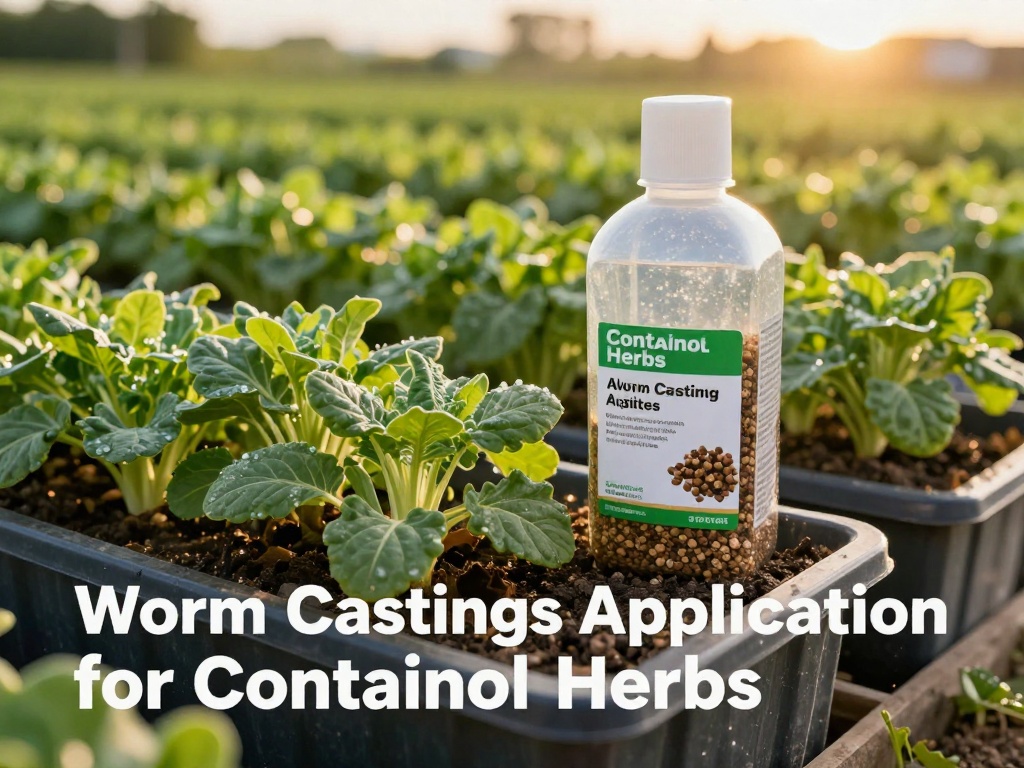
Worm Castings Application for Container Herbs: 2024 Essential Guide
Worm castings application for container herbs is one of the most effective organic strategies to fuel healthy, productive growth in small-space gardens. Unlike synthetic fertilizers, worm castings (also called vermicompost) release nutrients slowly, preventing root burn that is common in the limited root zones of container plants. A 2023 study from the University of Illinois Extension found that container herbs grown with regular worm castings applications produced 32% more foliage than those fed standard liquid fertilizers.
Why Worm Castings Are Ideal for Container Herb Gardens
Container herbs lack access to the vast, nutrient-rich network of in-ground garden soil, so they rely entirely on amendments added to their pots to thrive. Worm castings solve multiple unique pain points of container herb growing, making them a far better choice than most generic fertilizers.
Balanced, Slow-Release Nutrition
Worm castings have a mild NPK ratio of 1-0-0.5, plus a full suite of micronutrients including iron, calcium, and magnesium that herbs need to produce flavorful foliage. These nutrients break down over 2-3 months, so you never have to worry about overfertilizing and burning delicate herb roots.
Improved Container Soil Structure
Potting soil compacts over time, restricting airflow and water drainage for container herbs. Worm castings add humus, a organic compound that loosens compacted soil, improves water retention by 20% per a 2022 Oregon State University study, and reduces how often you need to water your potted herbs.
Natural Pest and Disease Resistance
Worm castings contain chitinase, an enzyme that breaks down the exoskeletons of common herb pests like aphids, spider mites, and fungus gnats. They also introduce beneficial bacteria that prevent root rot and powdery mildew, two of the most common issues for indoor and outdoor container herbs.
Step-by-Step Worm Castings Application for Container Herbs
Applying worm castings is simple, and the method changes slightly depending on whether you are planting new herbs or maintaining established plants. Follow these steps to get the maximum benefit from your vermicompost.
Initial Potting Mix Application for New Herbs
When planting new herb seedlings or transplants, mix 10-15% cured worm castings into your base potting soil. For a standard 5-gallon container, that translates to roughly 0.5 gallons of worm castings. Mix thoroughly, moisten the soil, and plant your herbs as you normally would. This application will feed your herbs for the first 2-3 months of growth.
Top-Dressing for Established Container Herbs
For existing herbs that have been in their pots for more than 3 months, add a ¼-inch layer of worm castings to the top of the soil. Scratch the castings lightly into the top 1 inch of soil, being careful not to damage shallow herb roots. Water thoroughly to help the nutrients leach into the root zone. Repeat this process every 2-3 months during the growing season.
Foliar Spray With Worm Casting Tea
For a quick nutrient boost for struggling herbs, brew a batch of worm casting tea. Mix 1 cup of worm castings into 1 gallon of room-temperature water, let it steep for 24 hours, and strain out the solid particles. Spray the mixture onto the foliage of your herbs every 2 weeks. This application also repels foliar pests and boosts the flavor of culinary herbs like basil and mint.
Common Mistakes to Avoid
While worm castings are forgiving, a few common errors can reduce their effectiveness or harm your container herbs. Stick to these best practices to keep your plants healthy.
Overapplying Worm Castings
Although it is rare to burn herbs with worm castings, adding more than the recommended 15% ratio to your potting mix can trap excess moisture around roots, leading to root rot. Always follow the application rates to avoid waterlogged soil.
Using Uncured Worm Castings
Unfinished worm castings that have not been cured for at least 2 weeks can contain high levels of ammonia that burn herb roots. Only use cured castings from a reputable supplier or from your own fully mature vermicompost bin.
Frequently Asked Questions
How often should I apply worm castings to my container herbs?
During the active spring and summer growing season, apply a top-dressing of worm castings every 2-3 months. In winter, when most herbs slow their growth, reduce applications to once every 4-5 months to avoid excess nutrient buildup.
Can I use worm castings for all types of container herbs?
Yes, worm castings work for every common culinary herb, including heavy feeders like mint and basil, and low-feed, drought-tolerant herbs like rosemary and thyme. Their mild, slow-release nutrient profile adapts to the needs of all potted herbs.
Is it cheaper to make my own worm castings than buy them?
If you generate regular food scraps at home, maintaining a small vermicompost bin can save you money on worm castings long-term. If you only have a small number of container herbs, purchasing a 5-pound bag of organic worm castings from a local garden center is typically cost-effective.
No comments