
Late Frost Protection Plants: 10 Hardy Varieties That Survive Cold
Late Frost Protection Plants: 10 Hardy Varieties That Survive Cold
Late frost can devastate gardens and destroy entire growing seasons if you're unprepared. Understanding which late frost protection plants can withstand unexpected temperature drops gives you a significant advantage as a gardener. This comprehensive guide reveals the most resilient plant varieties that thrive despite cold conditions, helping you protect your investment and maintain a beautiful landscape year after year.
Understanding Late Frost Damage in Gardens
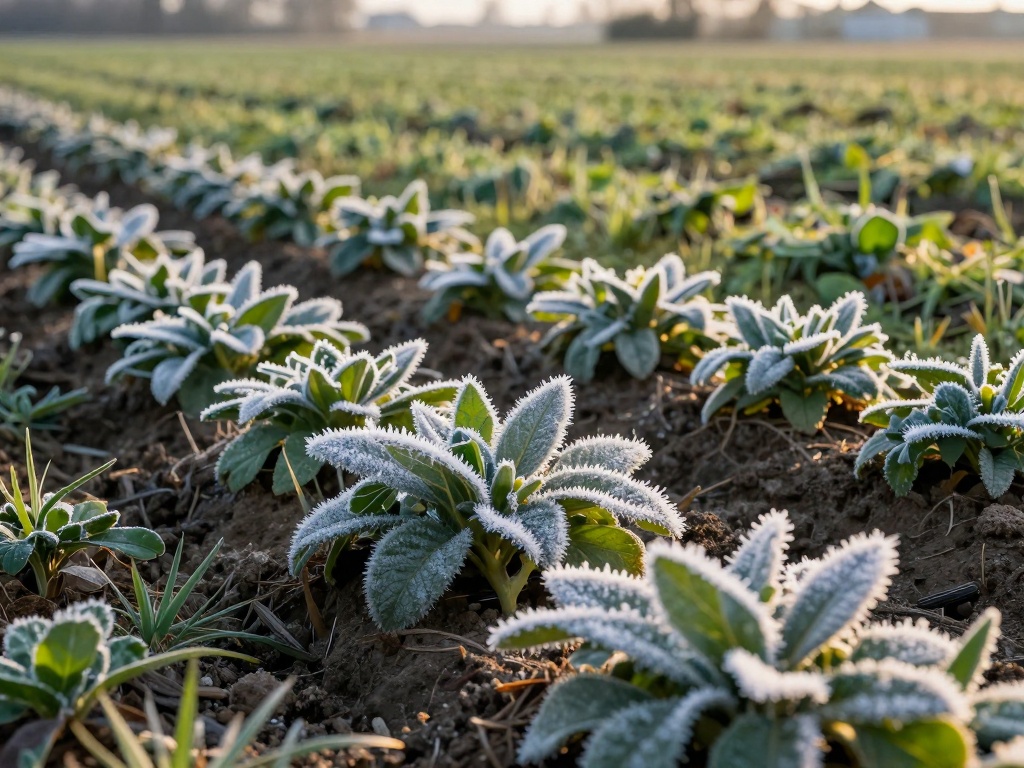
Late frost occurs when temperatures drop below freezing after plants have begun active growth in spring. This typically happens during those tricky weeks when warm days trick plants into breaking dormancy, only for a cold night to follow. The damage occurs when ice crystals form inside plant cells, rupturing delicate tissues and destroying new growth.
Gardens in USDA hardiness zones 3 through 7 face the highest risk, where late frosts can occur as late as May or even early June. Protecting your garden requires both selecting appropriate plant varieties and implementing strategic protective measures. The good news is that numerous beautiful plants have evolved mechanisms to survive these temperature fluctuations.
Why Some Plants Tolerate Frost Better Than Others
Frost-tolerant plants have developed specialized adaptations that allow them to survive cold conditions. These include concentrated cell sap that lowers the freezing point, protective proteins that stabilize cell membranes, and the ability to quickly recover from cold damage. Understanding these mechanisms helps you make informed decisions about which varieties to include in your landscape.
Top 10 Late Frost Protection Plants for Your Garden
1. Pansies (Viola tricolor)
Pansies rank among the best late frost protection plants because they can survive temperatures as low as 25°Fahrenheit. These cheerful flowers actually prefer cool weather and will continue blooming through light frosts. Plant them in early spring or late fall for maximum color. Their flexible petals bounce back from mild freeze damage, making them incredibly resilient choices for unpredictable weather.
2. Snapdragons (Antirrhinum majus)
Snapdragons exhibit remarkable cold tolerance and can handle temperatures down to 28°Fahrenheit without significant damage. These vertical beauties add height and drama to garden borders while standing up to late spring cold snaps. They actually perform better in cool weather than heat, making them ideal for early-season planting. The key is hardening off seedlings gradually before transplanting.
3. Kale (Brassica oleracea)
Ornamental and culinary kale varieties are exceptionally hardy late frost protection plants. These vegetables can survive temperatures as low as 20°Fahrenheit and actually become sweeter after exposure to frost. The vibrant purple and green leaves add ornamental value while providing edible harvests. Plant kale in fall for winter harvests or early spring for extended production.
4. Siberian Iris (Iris sibirica)
Siberian iris emerges early in spring and tolerates late frosts with ease. These elegant plants survive temperatures in the mid-20s without damage to their foliage or flower buds. Once established, they require minimal maintenance and provide stunning blue, purple, or white blooms each spring. Their tough, sword-like foliage remains attractive throughout the growing season.
5. Columbine (Aquilegia)
Columbine plants are remarkably adaptable late frost protection plants that naturalize well in most climates. Their early spring blooms attract pollinators while their foliage survives late freezes intact. These native wildflowers self-seed readily, creating ever-expanding displays of delicate, bell-shaped flowers. They thrive in partial shade and tolerate cold without complaint.
6. Peonies (Paeonia)
Peonies represent classic late frost protection plants with their sturdy, emerged shoots handling surprising cold. While flower buds may suffer damage in severe freezes, the plant itself survives and returns year after year. The thick, succulent stems resist frost damage better than many other perennials. Choose early-blooming varieties carefully if late frosts are common in your area.
7. Hardy Mums (Chrysanthemum)
Garden mums, particularly hardy varieties, survive early fall frosts without damage to their blooms. These late-season performers extend your garden's color well into autumn. Their root systems establish quickly and become increasingly resilient with each growing season. Look for varieties rated two zones colder than your location for best overwintering success.
8. Heuchera (Coral Bells)
Heuchera offers year-round interest as evergreen late frost protection plants with their stunning foliage. These shade-loving perennials survive temperatures well below freezing and maintain their leaves through winter in mild climates. Available in countless color variations from lime green to deep burgundy, they add structure and color when other plants fade.
9. Primroses (Primula)
Primroses rank among the earliest blooming late frost protection plants, often flowering while snow still dots the landscape. These woodland plants tolerate cold remarkably well and provide cheerful blooms in shades of yellow, pink, purple, and blue. They prefer moist, shaded locations and naturalize beautifully under trees or alongside water features.
10. Lenten Rose (Helleborus)
Hellebore, also known as the Lenten rose, blooms during late winter when few other plants dare to flower. These exceptional late frost protection plants survive temperatures below zero and shrug off ice and snow. Their downward-facing blooms last for months, providing continuous beauty during the hardest months. Once established, hellebores thrive with virtually no care.
Strategies for Protecting Vulnerable Plants
Even the hardiest late frost protection plants benefit from protective measures during extreme weather events. Understanding when and how to intervene can mean the difference between a thriving garden and significant plant loss. Prevention and preparation remain your most effective tools against late frost damage.
Physical Protection Methods
Covering plants with frost cloth, old bedsheets, or cardboard boxes provides a protective barrier against freezing temperatures. Ensure covers extend to the ground and secure edges with rocks or soil to trap residual ground heat. Remove covers during the day when temperatures rise to allow air circulation and sunlight exposure. For valuable specimens, consider using Christmas lights or string lights under covers for added warmth.
Watering Before Cold Events
Surprisingly, moist soil holds heat better than dry soil, making evening watering before freeze events beneficial. Water deeply during the day before an expected frost, allowing time for absorption before temperatures drop. Avoid wetting foliage during freezing temperatures, as wet leaves actually freeze faster than dry ones. Focus water applications at the base of plants where root systems benefit most.
Strategic Garden Placement
Positioning frost-sensitive plants near south-facing walls or structures provides radiated heat and shelter from wind. Elevated areas in your landscape experience colder temperatures than low spots where cold air settles. Group containers together and move them to protected locations during cold snaps. Understanding your garden's unique microclimates helps you place plants where they'll thrive.
Timing Your Planting for Success
Knowing your local last frost date represents one of the most valuable pieces of gardening information available. This date, typically calculated as the midpoint between the latest and earliest possible frost in your area, guides planting decisions. However, adding a two-week buffer after this date provides additional safety margin for tender plants.
Starting seeds indoors or using transplants allows you to control growing conditions during unpredictable early seasons. Gradually harden off seedlings by exposing them to outdoor conditions for increasing periods each day. This process builds plant resilience and reduces transplant shock when you finally move them to the garden.
Long-Term Success with Frost-Tolerant Gardens
Building a garden resilient to late frost requires thoughtful planning and plant selection over multiple seasons. Observe which plants survive your specific climate conditions and note which varieties thrive despite challenges. Keep detailed records of weather events and plant responses to inform future decisions.
Mulching heavily around plant bases insulates roots and moderates soil temperature fluctuations. Apply two to four inches of organic mulch after the ground freezes to prevent premature warming that triggers early growth. This technique works especially well for perennial plants that emerge late in spring.
Frequently Asked Questions
What temperature will kill late frost protection plants?
Most late frost protection plants tolerate temperatures between 28°F and 32°Fahrenheit without significant damage. However, temperatures below 28°F for extended periods typically cause damage to all but the most hardy varieties. Extended exposure to cold increases damage severity regardless of plant hardiness.
Should I cover my plants during late frost?
Covering plants provides valuable protection when temperatures drop below 32°Fahrenheit. Use breathable materials like frost cloth or old bedsheets rather than plastic, which can damage foliage if it contacts plants. Secure covers at ground level to trap warm air and remove them during daylight hours when temperatures rise.
When is it safe to plant after last frost date?
Waiting two to three weeks after your calculated last frost date provides the safest window for planting tender annuals and vegetables. Hardy perennials and cool-season crops can go in the ground earlier, sometimes four to six weeks before the last frost. Always monitor extended weather forecasts before committing to planting.
No comments